Skip to content
 Runner-focused review • Updated July 1, 2026
Apple Watch Series 11 Review for Runners: Great Daily Trainer, Not an Ultra Replacement
⚠️ October 2026 Update: The Series 12 Is Here
Apple launched the Apple Watch Series 12 in September 2026 with a new Health Sensing System, Readiness score, and ~30-hour battery. The Series 11 is now the previous generation — but that makes it interesting: clearance and renewed units can be genuine bargains. This review is updated for the Series 12 era: what the 11 still does well, what the 12 does better, and which one you should actually buy.
⚡ Key Takeaways
- The Series 11 remains an excellent running watch: accurate GPS, wrist heart rate with zones, ECG, sleep tracking, and 24-hour battery.
- The Series 12 is the better buy at full price — 5-second background heart rate, Readiness score, hypertension detection, and longer battery for $399.
- The Series 11 only makes sense on sale. If you find it meaningfully discounted (or quality renewed), it’s 90% of the Series 12 experience for less money.
- iPhone is required. Android users should look at Garmin or COROS instead.
- For marathon training specifically, see our best GPS watches for marathon beginners guide.
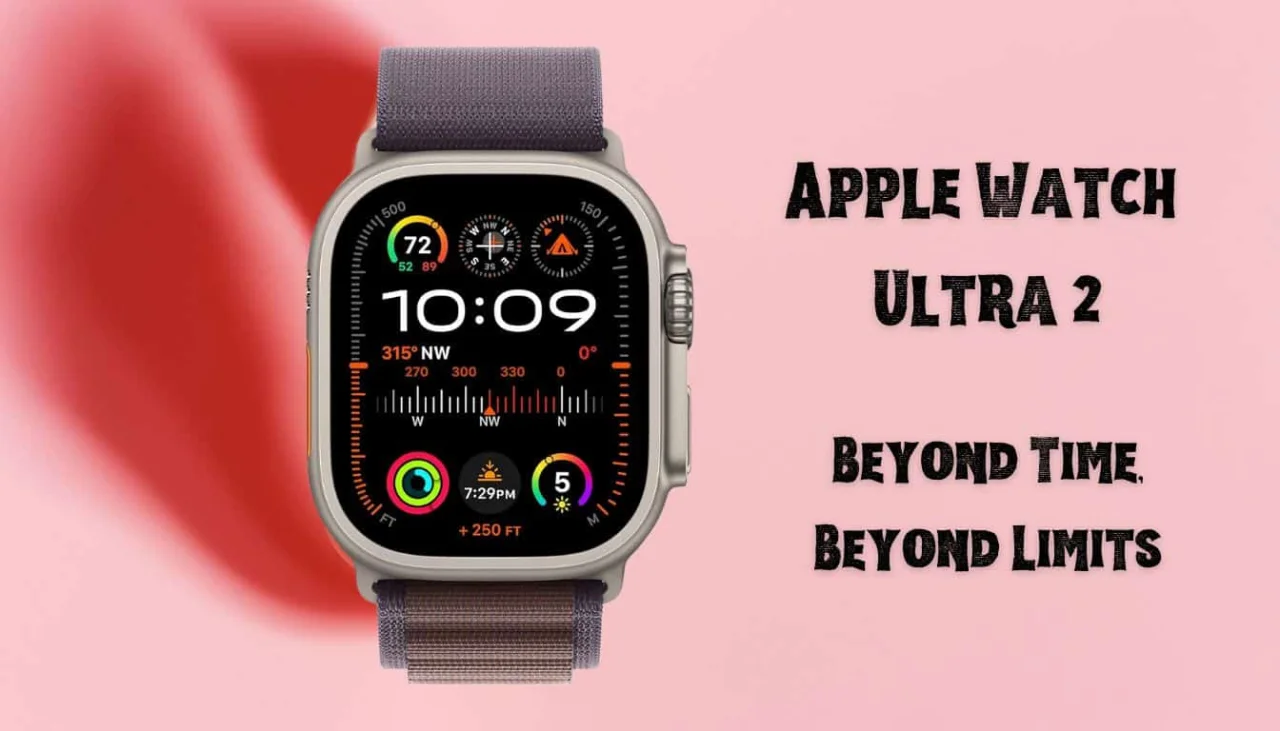
Quick verdict: Apple Watch Series 11 is the best Apple Watch for most runners who want a lighter, cheaper, everyday smartwatch with strong GPS, heart-rate zones, running power, sleep tracking, crash detection, ECG, sleep apnea alerts, and hypertension notifications. It is not the best choice for ultra-endurance athletes who need multi-day battery life; those runners should choose Apple Watch Ultra 3.
Bottom Line
If you run 3–6 days per week, track sleep/recovery, want phone-free safety features, and already use an iPhone, Series 11 is the sensible Apple Watch pick. Buy Ultra 3 only if battery life and rugged controls matter more than price and comfort.
Series 11 vs Series 12: What Actually Changed?
The Series 12 isn’t a revolution — it’s a meaningful refinement. Here’s the honest breakdown for runners:
| Feature | Series 11 | Series 12 |
|---|---|---|
| Chip | S10 | S11 |
| Heart-rate sensing | Standard optical | Every 5 seconds, all day |
| Readiness score | No | Yes |
| Hypertension detection | Notifications only | Full detection |
| Battery | 24h | ~30h |
| Display brightness | 2000 nits | 2000 nits |
| Launch price | $399 (2025) | $399 (2026) |
Bottom line: at the same $399, the Series 12 wins outright. The Series 11’s only play is price — if it’s $100+ cheaper (sale or quality renewed), it’s a smart buy. Otherwise, read our full Series 12 review.
Our Scores
Pros
- Lighter and less bulky than Ultra for daily wear
- Up to 24 hours regular battery; fast charging helps sleep tracking
- Built-in GPS, heart-rate zones, running power, Pacer, and Strava sync
- Hypertension notifications, sleep apnea alerts, ECG, fall/crash detection
- 5G on cellular models for runs without your iPhone
Cons
- Still not a true multi-day running watch
- No real-time blood pressure number
- Requires iPhone; Android users are out
- Serious trail/ultra runners may prefer Garmin/Coros/Ultra 3
- Many year-over-year upgrades are incremental from Series 10
Who Should Buy the Apple Watch Series 11?
- Road runners and casual racers who want reliable pace, GPS route maps, heart-rate zones, and easy post-run analysis.
- Gym + running hybrid athletes who want strength workouts, cardio, sleep, recovery, music, and notifications in one device.
- iPhone users on Series 8 or older who will actually feel the battery, display, charging, and health-alert improvements.
- Safety-focused runners who value fall detection, crash detection, SOS, Check In, and cellular calling during solo runs.
- Health-conscious users who want ECG, sleep apnea alerts, high/low heart-rate notifications, irregular rhythm notifications, and hypertension trend notifications.
Who Should Skip It?
- Ultra runners and multi-day hikers: get Apple Watch Ultra 3, Garmin Fenix/Forerunner, Coros, or Suunto.
- Series 9/10 owners: upgrade only if the battery is degraded or you specifically need Series 11 health/cellular improvements.
- Android users: Apple Watch still requires an iPhone.
- Buyers expecting a blood-pressure cuff: hypertension notifications are trend alerts, not live systolic/diastolic readings.
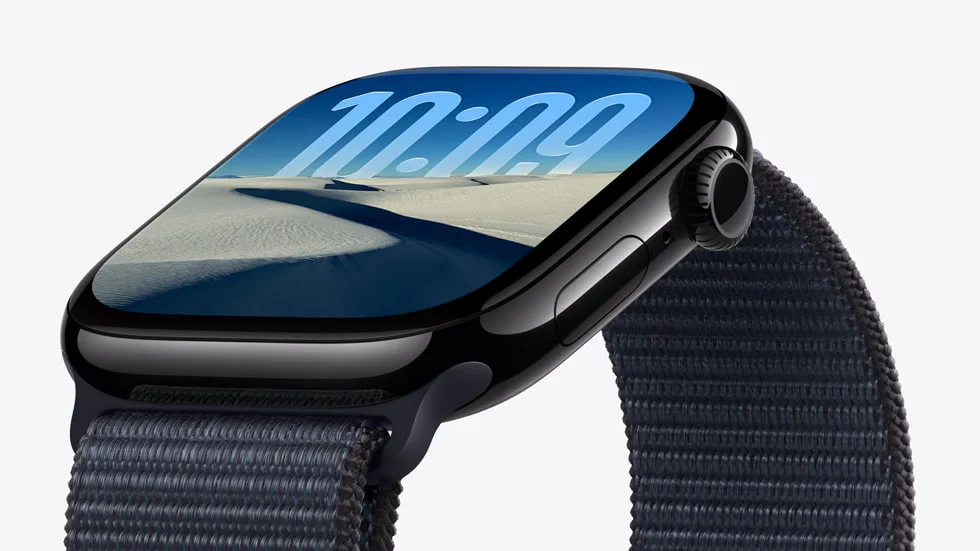
Which Apple Watch Should Runners Buy? (30-Second Decision)
What\u2019s your top priority?
Series 11 Running Features That Actually Matter
GPS pace + route maps
Track outdoor runs without carrying a separate GPS watch. Wait for GPS lock before hard intervals for best initial pace accuracy.
Heart-rate zones
Useful for easy-run discipline, tempo work, and spotting overtraining when your heart rate is unusually high for normal paces.
Running power
Power helps estimate effort on hills and windy routes where pace alone can mislead you.
Pacer
Set a target pace and the watch tells you whether you are ahead or behind. Great for 5K, 10K, half-marathon, and marathon pacing.
Workout Buddy
Apple Intelligence-powered coaching can give context-aware motivation when your iPhone is nearby and your setup supports it.
Sleep + recovery
Sleep Score and Vitals help you decide whether to train hard, run easy, or take a recovery day.
Battery Life: Good for Daily Training, Not for Ultras
The biggest practical upgrade is battery life. Apple rates Series 11 for up to 24 hours of normal use and up to 38 hours in Low Power Mode. For everyday runners, that means you can train, wear it all day, track sleep, and top up quickly before the next session.
Fast charging is what makes the watch easier to live with: a short charge before bed can cover sleep tracking, and a short morning top-up can cover the day. But if you are doing 50-mile races, 100K/100-mile events, long mountain days, or multi-day hikes, the Ultra 3 is still the smarter Apple Watch.
Series 11 vs Ultra 3 vs SE 3 for Runners
| Runner type | Best choice | Why |
|---|---|---|
| Most iPhone runners | Series 11 | Best balance of comfort, health features, GPS, sleep tracking, and price. |
| Ultra-distance / adventure | Ultra 3 | Longer battery, bigger/rugged case, more outdoor-focused controls. |
| Budget / kids / first watch | SE 3 | Lower price, but no ECG, blood oxygen, or always-on display. |
| Series 10 owners | Usually wait | The upgrade is useful but not transformative unless battery or health alerts matter to you. |
Health Features: Helpful Alerts, Not Medical Diagnosis
Series 11 is strong for health monitoring, but it should not be treated like a doctor on your wrist. The watch can flag patterns and prompt you to follow up, but it does not diagnose disease and it does not replace clinical testing.
- Hypertension notifications: trend-based alerts over time; no live blood-pressure number.
- ECG: on-demand rhythm check that can help flag possible AFib.
- Sleep apnea notifications: alerts based on sleep breathing disturbance patterns.
- Vitals: overnight trends for heart rate, respiratory rate, wrist temperature, blood oxygen, and sleep duration.
- Fall/crash detection: important for solo runners, cyclists, older users, and anyone training away from home.
Running With the Series 11: The Real-World Experience
Specs tell you what a watch can do. Here\u2019s what actually matters after hundreds of miles:
GPS accuracy: excellent for roads, good enough for trails
The Series 11 uses dual-frequency GPS, and on road runs it tracks within a few meters of dedicated Garmin devices \u2014 more than accurate enough for pace-based training. In downtown areas with tall buildings or dense tree cover, you\u2019ll see occasional GPS wander, but it self-corrects quickly. For marathon training on roads, this is a non-issue.
Wrist heart rate: trustworthy for zones, not for intervals
For steady-state easy runs and long runs \u2014 where you spend 80% of marathon training \u2014 the optical heart-rate sensor is accurate and responsive. For short, sharp intervals (400m repeats), wrist HR lags by 10\u201315 seconds; pair a Bluetooth chest strap for those sessions if you\u2019re data-serious. For zone-based easy running, which is what beginners need most, it\u2019s excellent.
The Workout app grew up
Apple\u2019s Workout app now supports custom intervals, pace alerts, heart-rate zone views, running power (wrist-based estimate), and automatic track detection. It\u2019s genuinely good \u2014 not a \u201cbeginner app\u201d anymore. Power users can switch to WorkOutDoors or iSmoothRun for even more customization.
Battery in practice
Expect to charge daily if you run daily \u2014 a 1-hour GPS run consumes roughly 10\u201315% battery. The fast charging (0\u201380% in ~45 minutes) means a shower-and-breakfast charge covers you. For a marathon itself: start at 100%, and you\u2019ll finish a 4\u20135 hour race with 40\u201350% remaining. Beyond 5:30, enable Low Power Mode for peace of mind.
What runners love most
- Safety: Crash Detection, fall detection, and Emergency SOS with cellular \u2014 run solo with confidence.
- Music without phone: Apple Music or Spotify offline \u2014 leave the phone at home.
- Smartwatch convenience: notifications, Apple Pay at the aid station, weather at a glance.
What runners miss vs Garmin
- Battery: Garmin’s 11\u201314 days vs Apple’s 1 day \u2014 no contest.
- Physical buttons: touchscreen + one button vs Garmin’s 5-button control with sweaty hands.
- Training plans: Garmin Coach is built in; Apple relies on third-party apps.
GPS and Pace Accuracy Tips
- Start outdoor runs with a clear sky view and wait 30–60 seconds before hard efforts.
- Wear the watch snugly above the wrist bone during workouts.
- Use Low Power Mode for long runs if battery is more important than maximum smartwatch features.
- Pair with Strava, TrainingPeaks, Apple Fitness, or your preferred log so workouts are backed up.
- For treadmill runs, calibrate with several outdoor runs first so wrist-based estimates improve.
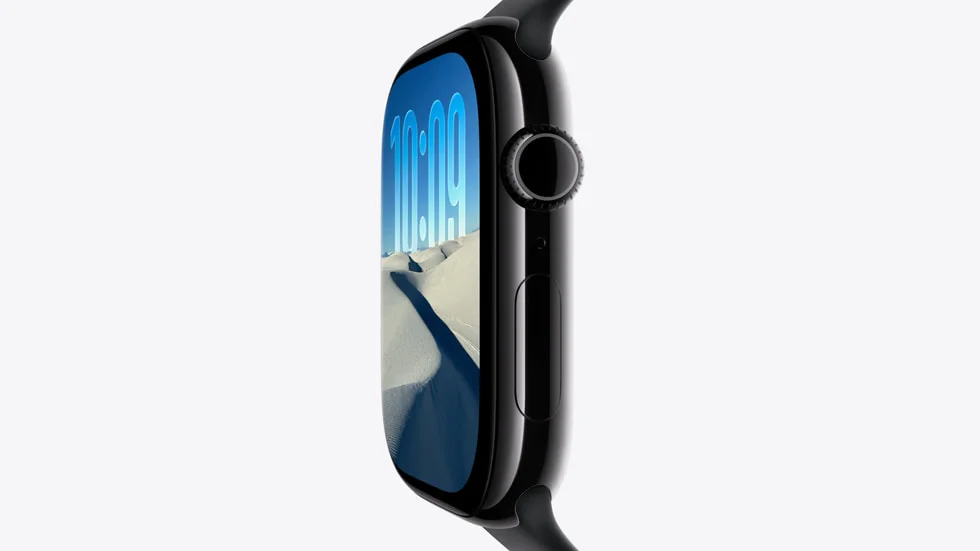
Apple Watch Series 11 Specs for Runners
| Case sizes | 42mm and 46mm |
|---|---|
| Materials | Aluminum or titanium |
| Battery | Up to 24 hours regular use; up to 38 hours Low Power Mode |
| Charging | Fast charging; useful for sleep tracking and two-a-day training days |
| Workout metrics | GPS route, pace, distance, elevation, heart-rate zones, running power, Pacer |
| Health features | ECG, sleep apnea notifications, hypertension notifications, heart-rate alerts, sleep tracking, Vitals |
| Safety | Emergency SOS, fall detection, crash detection, Check In |
| Connectivity | GPS; GPS + Cellular models support phone-free calls/texts/music/maps with carrier plan |
| Compatibility | Requires compatible iPhone; not Android-compatible |
Verified Amazon product link
Where to Buy: Current Picks
The Series 11 is being phased out, so new units are getting scarce. Here’s the honest buying advice:

Video: Apple Watch Series 11 in 2026 — Still Worth It?
A good real-world take on whether the Series 11 still makes sense now that the Series 12 is out:
Setup Checklist for Runners
- Enable health notifications: open the Watch app on iPhone and review Heart, Sleep, and Emergency SOS settings.
- Set up Medical ID and emergency contacts before solo runs.
- Turn on Check In for runs where someone should know you arrived safely.
- Customize Workout views so pace, distance, heart rate, and zones are visible without scrolling.
- Connect Strava or your training app if you want all runs in one log.
- Charge strategically: 15–30 minutes before bed or before a long run is often enough to avoid battery anxiety.
Common Mistakes to Avoid
- Expecting blood-pressure numbers: Series 11 sends hypertension trend alerts; it does not replace a cuff.
- Starting intervals before GPS lock: give the watch a moment outdoors before speed work.
- Wearing it loose: loose fit causes bad heart-rate readings, especially in intervals and cold weather.
- Buying Cellular but not using it: cellular models cost more and usually add a carrier fee. Buy it only if you run without your phone.
- Choosing Series 11 for 100-mile races: Ultra 3 or a dedicated endurance watch is a better fit.
Frequently Asked Questions
Is Apple Watch Series 11 worth it for runners?
Yes, for most iPhone runners. It combines GPS, pace, route maps, heart-rate zones, running power, sleep tracking, safety alerts, and smartwatch features in a lighter package than Ultra 3.
Should I buy Apple Watch Series 11 or Ultra 3?
Buy Series 11 for daily road running, gym training, sleep tracking, and value. Buy Ultra 3 if you need much longer battery life, rugged controls, diving/outdoor features, or ultra-endurance reliability.
Does Apple Watch Series 11 measure blood pressure?
No, not as a cuff does. It can provide hypertension notifications based on longer-term trends, but it does not show systolic/diastolic readings.
Is the Apple Watch Series 11 good for marathon training?
Yes. It covers pace, GPS distance, heart-rate zones, Pacer, running power, and recovery signals. For marathoners who also want everyday smartwatch features, it is a strong choice.
Does it work without an iPhone on runs?
The GPS + Cellular model can call, text, stream music, use maps, and access SOS without your iPhone nearby when connected to a supported carrier plan. GPS-only models need your iPhone for most connected features.
Does Apple Watch Series 11 work with Android?
No. It requires a compatible iPhone.
Final Verdict
The Apple Watch Series 11 is not the most hardcore running watch. It is the most practical Apple Watch for runners who want one device for training, health, safety, sleep, music, maps, and everyday life. If your priority is ultramarathon battery life, buy Ultra 3. If your priority is a lighter, polished, everyday running smartwatch for iPhone, Series 11 is the better value.
Related Gear Guides
- Best running shoes for every runner type
- How to choose the right running shoes
- All GearUpToFit gear reviews
Editorial note: Updated July 1, 2026. This runner-focused review avoids unverified prices, fake ratings, and unsafe Amazon ASINs. Always confirm live price, color, and size availability at Amazon before buying.
Optimizing Your Training Beyond the Watch
While the Series 11 tracks your metrics, performance also depends on your gear and recovery. If you are preparing for your next race, follow a structured 5K training plan or consider upgrading to the best daily running shoes of 2026 to ensure proper cushioning for your miles. For those moving from the Apple ecosystem to specialized sports watches, our Garmin Fenix 8 review offers a deep dive into high-end alternatives.
Frequently Asked Questions
Is the Apple Watch Series 11 good for marathon runners?
Does Apple Watch Series 11 work with Android?
Is the Apple Watch Series 11 good for marathon training?
Yes, for most road marathoners, the Series 11 provides excellent GPS accuracy and heart-rate data. However, for those aiming for 4+ hour finishes with full music and cellular use, the Garmin Fenix 8 or Apple Watch Ultra offer superior battery buffers.
Does Apple Watch Series 11 track running power?
Yes, it features native wrist-based running power, helping you gauge effort on hills, similar to high-end fitness tracking watches.
Is the Apple Watch Series 11 good for marathon training?
Yes. With improved battery life and advanced running power metrics, it handles the 5K Training Plan through marathon distances easily for most road runners.
Does Series 11 track treadmill runs accurately?
It uses accelerometer data for indoor runs. For the best accuracy, we recommend calibrating it during outdoor runs or pairing it with the Best Treadmill for Home Running 2026 for consistent data.
Maximize Your Training with Series 11
While the Apple Watch Series 11 handles your data, your performance relies on recovery and preparation. If you find the watch flags high strain, focus on mobility training to stay limber. For those using the watch to hit new milestones, following a structured 5K training plan can help you utilize the Pacer and Heart-Rate Zone features effectively.
Optimizing Your Run with Series 11
While the Series 11 excels at tracking metrics, pairing it with the right gear ensures peak performance. For daily training, check out our guide to the best daily running shoes. If you are focused on a specific goal, such as your first race, follow our 5K training plan to stay on track. For those looking for alternative wearable options, we have reviewed the Amazfit Balance 2 and other top fitness tracking watches.