Skip to content
 GearUpToFit running shoe guide
Most runners should start with a comfortable daily trainer that fits their foot shape, surface and weekly routine. Choose a stability shoe only when its guidance feels better, a trail shoe for loose or technical terrain, and a plated racer for specific speed goals. Fit, comfort and the shoe’s job matter more than hype or one universal “best” model.
Affiliate disclosure: This page contains Amazon affiliate links. GearUpToFit may earn a commission from qualifying purchases at no extra cost to you. Prices, sizes, colors, sellers and availability change. Every button is labeled as a listing check—not as a promise that a particular size or offer is in stock.
Who this guide is for—and who should use a different page
This guide is for you if…
- You need one clear map of daily trainers, comfort shoes, speed shoes, stability shoes, wide-fit options and trail shoes.
- You are comparing several shoe categories and do not yet know which category solves your problem.
- You want a fit-first process before checking retailer listings.
- You prefer explicit trade-offs instead of unsupported scores or “perfect for everyone” claims.
Use a more specific guide if…
- You already know you need running shoes for wide feet.
- You want stability options for overpronation.
- You are buying your first pair and need the simpler beginner running-shoe checklist.
- You specifically want plate-free running shoes or a dedicated trail comparison.
What “best running shoes” actually means
The best running shoe is the model that performs the job you need, fits your larger foot without pressure or slipping, feels stable at your normal pace, and remains comfortable after your feet warm up. “Best” is therefore conditional: a soft recovery shoe can be excellent for relaxed mileage but awkward during fast cornering; a light speed trainer can feel exciting during intervals but less protective during slow, tired miles.
A useful shoe guide separates four decisions that are often mixed together: fit (length, width, volume and heel hold), job (daily mileage, speed, race, trail or walking crossover), ride (soft, balanced, firm, flexible or rockered), and support preference (neutral, inherently stable or guided stability). That separation prevents a famous model from being treated as a universal prescription.
Best running shoes at a glance
| Runner or job | Start with | Why | Watch for | Recommended next step |
|---|---|---|---|---|
| Most runners buying one versatile road shoe | Balanced daily trainer | Handles easy runs, moderate efforts and routine weekly mileage without extreme geometry | Avoid a fit that pinches the forefoot or lets the heel lift | Compare ASICS Novablast 5, PUMA Velocity NITRO 4 and Brooks Ghost 17 below |
| Runner who wants a lighter, faster daily feel | Speed-oriented daily trainer | Lower perceived bulk and a more responsive transition can suit strides, tempo work and brisk daily runs | May feel less planted or less protective at slow pace | Start with adidas Adizero EVO SL |
| Comfort-first runner or long easy miles | Max-cushion daily shoe | More underfoot material and a comfort-focused ride can reduce harshness | Soft and tall does not automatically mean stable | Start with Nike Vomero 18 and compare the comfort guide |
| New runner, walk-run plan or first 5K | Comfortable daily trainer | Simple, forgiving and durable is usually more useful than a specialized race shoe | Do not buy by gait label alone | Use the beginner shoe guide |
| Wide forefoot, high-volume foot or toe pressure | Correct width and shape | A longer standard shoe is not a substitute for enough width and upper volume | Wide toe box and formal wide sizing are different | Compare wide and extra-wide options |
| Guidance feels more comfortable than neutral shoes | Modern stability shoe | Wider platforms, sidewalls and tuned geometry can provide guidance without a harsh medial post | No shoe can diagnose or cure an injury | See stability choices |
| Racing or dedicated speed sessions | Speed trainer or race shoe | Lower weight, responsive foam and sometimes a plate prioritize pace | Higher price, fit sensitivity and reduced everyday versatility | Keep a daily trainer for most routine mileage |
| Loose gravel, mud, roots or technical trail | Trail-running shoe | Lugs, upper protection and a secure platform improve off-road control | Road shoes can lack grip and downhill security | Choose lug depth and protection for the actual terrain |

How these recommendations were chosen
This edition is a research-synthesis buyer guide. It does not claim that every listed shoe was personally laboratory-tested by GearUpToFit. The shortlist was built from the current role of each model, public product information, specialist fit guidance, the existing GearUpToFit running-shoe cluster and public Amazon listing checks completed on July 10, 2026.
Fit usefulness
We prioritized shoes that occupy a clear buying lane and can be evaluated with practical checks: toe space, heel security, midfoot pressure, platform stability and width availability.
Job clarity
Each recommendation must have a specific role—versatile daily training, faster daily running, value-oriented mileage, traditional neutral comfort or max-cushion comfort.
Trade-off visibility
No model receives an invented numerical score. Every pick includes an “avoid if” condition so readers can reject the wrong shoe quickly.
Amazon checks verify that the cited ASIN resolved to the named product when reviewed. They do not guarantee a featured offer, every size, future availability or the identity of a third-party seller. Product images below are the images associated with those publicly checked listings on the review date.
Best running shoes for the most common buying situations
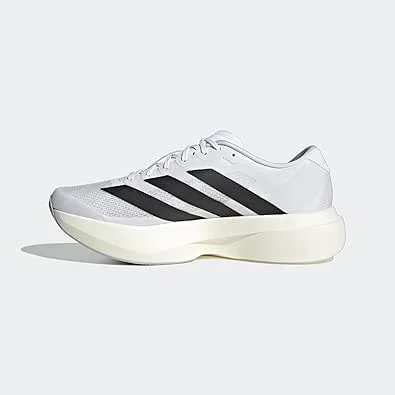
adidas Adizero EVO SL
Verdict: Choose the EVO SL when you want one road shoe that feels more speed-oriented than a traditional workhorse but is still intended for regular training rather than race day alone.
Best for: neutral runners who enjoy a lively ride, strides, tempo work, faster long-run segments and everyday miles in a lighter package. Its appeal is the crossover between training comfort and race-inspired responsiveness.
Avoid if: you prefer a very planted platform, need strong guidance at easy pace, dislike minimal-feeling uppers or want a heavily protected outsole for rough surfaces. Fit remains personal; secure the heel and make sure the forefoot is not compressed before keeping it.
Why it made the list: this is the clearest “fast daily trainer” lane in the verified shortlist. It complements, rather than replaces, a soft recovery shoe or a trail shoe. Runners building a two-shoe rotation can pair it with a more relaxed, stable daily option.
Check the current EVO SL listing
Read the EVO SL review
Confirm model name, gender sizing, color, size, seller and return terms on Amazon before ordering.
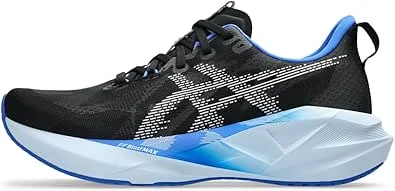
ASICS Novablast 5
Verdict: The Novablast 5 is a useful starting point for runners who want a cushioned daily trainer with more bounce and personality than a traditional neutral shoe.
Best for: easy-to-steady road mileage, long runs for runners who like a lively platform, and one-shoe rotations where comfort and moderate pace changes matter. It sits between a calm workhorse and a dedicated speed shoe.
Avoid if: you want a firm, low-profile feel; you are highly sensitive to tall or soft platforms; or you need a distinctly guided stability design. A shoe can have a broad base and still feel different from a dedicated stability model, so test cornering and slow-pace control.
Freshness note: newer generations can arrive while older versions remain on sale. This listing is specifically for the Novablast 5, not a blanket claim that it is the newest Novablast. Compare the exact model and price rather than assuming a similar title means the same shoe.
Check the current Novablast 5 listing
Compare daily trainers
Check the version number carefully; Amazon search results can mix adjacent generations and color-specific listings.
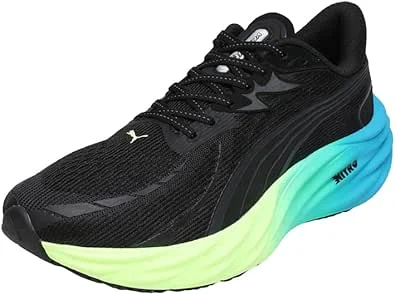
PUMA Velocity NITRO 4
Verdict: Put the Velocity NITRO 4 on your shortlist when you want a straightforward road trainer that can cover routine mileage without forcing you into a highly specialized ride.
Best for: runners who value grip, everyday versatility and a balanced training role; buyers who want to compare a practical workhorse against softer or more aggressive options; and rotations where one shoe needs to handle frequent, non-race mileage.
Avoid if: your priority is maximum softness, an exaggerated rocker, a plated sensation or a distinctly wide forefoot shape. “Value” should be judged from the live listing, expected use and fit—not from a hardcoded price that may be stale tomorrow.
Why it made the list: many buyers do not need the lightest or softest shoe. They need a reliable category anchor that makes the trade-offs of more specialized shoes easier to understand. This model fills that comparison role.
Check the current Velocity NITRO 4 listing
Use the running shoe finder
Retail listings can be color- and size-specific. Verify that the selected option remains the Velocity NITRO 4.
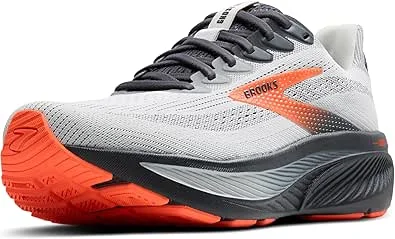
Brooks Ghost 17
Verdict: The Ghost 17 suits runners who prefer a familiar, predictable daily-training experience over an aggressively bouncy or race-like ride.
Best for: easy road miles, walk-run use, beginners who want a conventional neutral trainer, and runners who prioritize a secure upper and straightforward transitions. It is also a useful baseline shoe when comparing softer, taller or faster alternatives.
Avoid if: you want a highly propulsive sensation, the lowest possible weight or a dramatic rocker. Traditional does not mean universally comfortable; check forefoot width, arch pressure and heel fit on both feet.
Why it made the list: a flagship guide needs a reference point that is not defined by novelty. The Ghost 17 fills the “dependable neutral trainer” lane and helps readers decide whether they truly need more cushioning, more guidance or more speed.
Check the current Ghost 17 listing
See beginner shoe picks
Some Amazon options may be offered by third-party sellers. Check seller, returns and exact width before purchase.
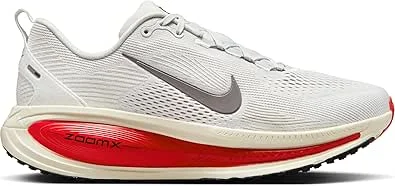
Nike Vomero 18
Verdict: Consider the Vomero 18 when comfort and underfoot cushioning matter more than a stripped-down, race-like feel.
Best for: easy mileage, recovery-oriented running, long periods on hard surfaces and runners who prefer a substantial cushioned platform. It can also suit walking-and-running crossover use when the fit is secure.
Avoid if: you prefer strong ground feel, minimal bulk, a very flexible forefoot or the snappiest possible speed-session shoe. Max cushion describes the amount of material, not a guarantee of softness, stability or injury prevention.
Why it made the list: it represents the comfort-first end of the road-shoe spectrum. Compare it directly with a balanced daily trainer; the correct choice is the one that remains stable and natural at your actual pace, not the taller-looking option.
Check the current Vomero 18 listing
Compare comfortable running shoes
Confirm the listing is the running shoe—not a similarly named lifestyle product—and review the return window before testing indoors.
The practical framework: Fit, Job, Ride, Support and Return
Product lists age quickly. A repeatable decision framework remains useful when models, colors and prices change. Use the five checks below before clicking a retailer button.
- Fit: Check the larger foot. You need enough space in front of the longest toe, no pinching across the forefoot, no painful arch pressure and a heel that stays secure without overtightening the laces. Try both shoes with the socks and insoles you will actually use.
- Job: Name the primary use in one sentence: “easy road miles four days per week,” “walk-run beginner plan,” “tempo sessions,” “technical trail,” or “race day.” A shoe bought for an undefined mix of goals is easier to regret.
- Ride: Decide whether you prefer soft, balanced or firm cushioning; flexible or rockered transitions; and more ground feel or more isolation. Marketing terms are less useful than the sensation you can describe after a short jog.
- Support: Choose the shoe that feels stable and natural. Do not assume every runner who pronates needs a stability label, and do not reject stability features when they improve comfort. Guidance is a preference and fit decision, not a diagnosis.
- Return: Confirm the retailer’s seller, return period and condition rules. Test indoors first, then use a short easy run only when the policy permits it. Keep the box and do not assume Amazon’s terms are identical for every seller.
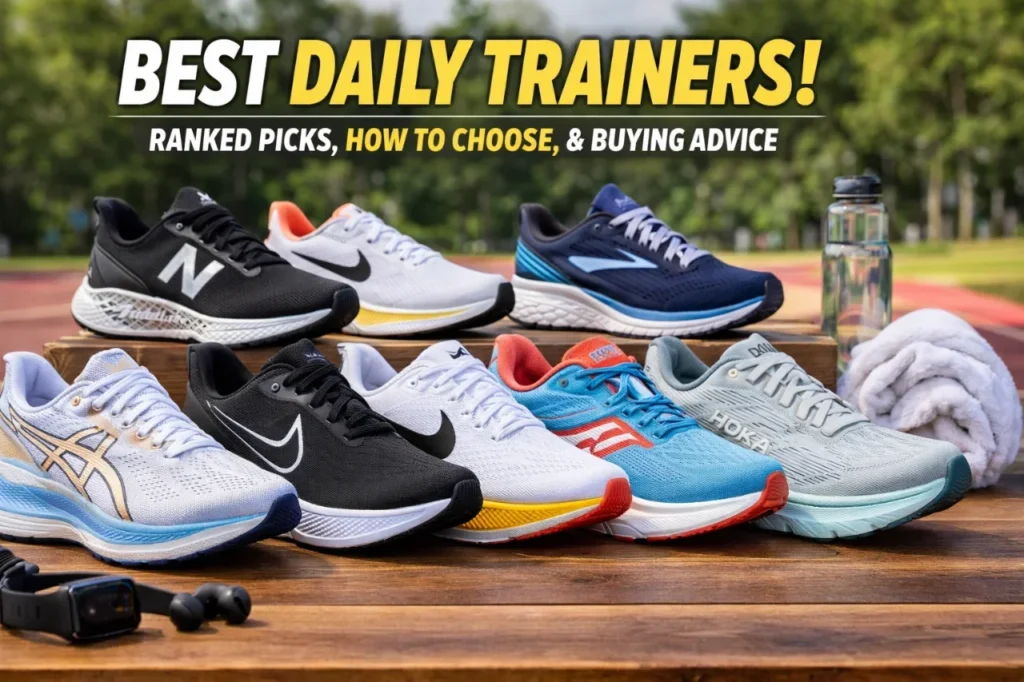
How to choose running shoes step by step
1. Start with surface
Road shoes are designed for pavement, treadmills and smooth paths. Trail shoes use more aggressive outsole patterns and often add upper protection or a rock plate for uneven ground. A road-to-trail hybrid can work on mild gravel, but it is not automatically suitable for mud, steep descents or technical rock.
2. Choose the main training role
For one-pair ownership, begin with a daily trainer. Add a second shoe only when a clear need appears: trail grip, faster workouts, race-day efficiency or a softer recovery ride. A rotation should reduce compromises, not create five nearly identical shoes.
3. Measure length and width again
Feet change over time, and many runners have one foot that is longer or wider. Measure both feet late in the day, then fit the larger foot. Formal wide sizing, toe-box shape and overall upper volume are separate variables. Sizing up for width can create heel slip and excessive length.
4. Perform a five-minute fit test
Stand, walk, jog and make several controlled turns. Check for toe contact, side pressure, heel movement, lace bite and platform wobble. A running shoe should not need a painful break-in period. Mild unfamiliarity is different from numbness, burning, sharp pressure or instability.
5. Compare two contrasting options
Try one balanced shoe and one alternative that changes a single variable—softer cushioning, more guidance, more width or a faster ride. This teaches you what you prefer. Trying five similar models in different colors reveals much less.
6. Check the exact retailer variant
Confirm model generation, men’s or women’s sizing, width code, color, seller, shipping and returns. Marketplace pages can combine multiple options under one family listing. The visible hero image may change when you select a different size or color.
7. Introduce the shoe gradually
Use a short, easy first run. This is especially important when changing heel-to-toe drop, platform height, stiffness or rocker geometry. A new shoe does not need to be “broken in” through pain, but your body may need time to adapt to a materially different design.
Examples by runner situation
First-time 5K runner
Choose a comfortable daily trainer such as the Ghost 17 lane rather than a plated racer. Prioritize stable landings, secure fit and a return policy. Use the beginner shoe guide for walk-run and treadmill scenarios.
Runner with one pair who wants more speed
Keep the comfortable daily shoe and add a faster trainer such as the EVO SL lane. Use the second shoe for strides, tempo work and selected long-run segments rather than replacing every easy-mile shoe with a speed model.
Runner whose toes go numb
Do not automatically buy a longer size. Check lacing pressure, forefoot width, toe-box shape and upper volume. Compare true wide sizes in the wide-foot running-shoe guide.
Runner who feels unstable in soft shoes
Compare a firmer or broader platform and test slow turns. A modern stability model may feel better, but a neutral shoe with inherently stable geometry may also work. Comfort and control should decide.
High-mileage runner on hard roads
Compare a lively all-rounder such as the Novablast 5 lane with a max-cushion option such as the Vomero 18 lane. Choose the one that stays controlled late in the run; more foam is not useful when it makes your stride feel unstable.
Runner moving from road to trail
Buy for the hardest terrain you regularly encounter. Smooth gravel may suit a hybrid, while mud, rocks and steep descents require secure lugs, protection and lockdown. Do not select a trail shoe solely because it looks rugged.
Neutral vs. stability vs. max-cushion vs. plated vs. trail shoes
| Type | What defines it | Best use | Main trade-off | Do not assume |
|---|---|---|---|---|
| Neutral daily trainer | No dedicated corrective structure; can still have a broad, stable platform | Most routine road mileage | May not provide the guided feel some runners prefer | “Neutral” does not mean unsupportive |
| Stability shoe | Geometry, sidewalls, density changes or guidance elements designed to control motion | Runners who feel more comfortable and controlled with guidance | Can feel intrusive when the support does not match the runner | A wear pattern alone diagnoses your needs |
| Max-cushion shoe | High stack of underfoot material | Easy miles, comfort-first running and some long runs | Height, bulk or softness can reduce stability | Taller always means softer or safer |
| Speed trainer | Lighter construction and responsive geometry; may use a nylon plate or stiffening element | Tempo runs, intervals and faster daily running | Less relaxed or less protective for some runners | Every speed trainer contains carbon |
| Carbon-plated racer | Responsive foam plus a stiff carbon plate optimized for efficient fast running | Specific race and performance goals | Cost, fit sensitivity, stiffness and reduced everyday versatility | It is the best first or only shoe |
| Trail shoe | Lugged outsole, secure upper and terrain-specific protection | Loose, uneven or technical surfaces | Can feel heavy, firm or awkward on smooth roads | Every trail shoe works equally well in mud and on rock |
When not to buy carbon-plated running shoes
Do not start with a carbon-plated racer when you need one forgiving shoe for a beginner plan, mostly walk and jog, have not solved basic fit problems, or dislike stiff rockered geometry. Carbon racers are tools for a specific job. They can make fast running feel efficient for some athletes, but they do not replace consistent training, appropriate load progression or a comfortable daily shoe.
Helpful video: how to find running shoes online
This REI Co-op video is a practical companion to the fit and retailer-check steps above. It was linked from REI’s updated running-shoe buying guide when this article was reviewed.
Common running-shoe mistakes and troubleshooting
Mistake: buying by popularity
A top-selling model can still be the wrong shape or ride. Fix it by writing the shoe’s job and your non-negotiable fit needs before looking at brand names.
Mistake: sizing up to solve width
Extra length may create heel movement without relieving midfoot pressure. Compare formal wide sizing and higher-volume uppers instead.
Mistake: assuming soft equals comfortable
Very soft foam can feel unstable or tiring. Compare soft, balanced and firmer shoes at your normal pace, not only while standing.
Mistake: diagnosing support from outsole wear
Wear patterns are influenced by many factors. Choose guidance because it improves comfort and control, and seek qualified clinical advice for persistent pain.
Mistake: using a race shoe for every run
A specialized racer may be expensive, stiff or less durable. Keep routine mileage in a shoe designed for routine mileage.
Mistake: ignoring seller and return terms
An accurate ASIN does not guarantee the same seller, stock or return policy tomorrow. Recheck the final product page immediately before purchase.
Problem: heel slips but the forefoot fits
Try a runner’s loop and confirm the shoe is not too long. Do not overtighten the midfoot until it goes numb.
Problem: toes hit on descents
Check length, heel lockdown and trail-specific fit. A secure heel prevents the foot from sliding forward; simply loosening the shoe may make the problem worse.
How often should running shoes be replaced?
There is no universal mileage deadline. Construction, runner mass, surface, gait, weather, rotation and use outside running all affect wear. A widely used general range is roughly 300–500 miles, but the better trigger is a combination of visible wear and a meaningful change in comfort, grip or stability. Replace a shoe sooner when the outsole is smooth in critical areas, the upper no longer holds the foot, the midsole feels uneven, or familiar runs produce new discomfort that disappears in another sound pair.
Track mileage as a reminder, not a diagnosis. Compare the old shoe with a fresh pair on the same day. Small changes that are hard to notice over months often become obvious in a side-by-side test.
Frequently asked questions
What is the best running shoe for most runners?
A comfortable, balanced daily trainer is the safest starting category for most runners. It should fit the larger foot, feel stable at easy pace and match the main surface. The exact model depends on foot shape and ride preference, which is why this guide offers several distinct lanes instead of one universal winner.
What running shoe should a beginner buy first?
Most beginners should buy a comfortable daily trainer rather than a carbon-plated race shoe. Prioritize secure fit, stable landings, enough toe room and a fair return policy. A one-shoe beginner rotation should handle walk-run intervals, easy miles and the first 5K plan without demanding a specific fast gait.
Should I buy neutral or stability running shoes?
Choose the option that feels more comfortable and controlled. Neutral shoes can still be inherently stable through broad platforms and sidewalls; stability shoes add more deliberate guidance. A shoe label should not overrule how the model fits and feels, and neither category should be presented as an injury cure.
Are carbon-plated shoes good for daily runs?
Some runners use plated shoes in selected workouts, but a carbon racer is usually not the most practical first or only daily shoe. It can be stiffer, more expensive, more fit-sensitive and less versatile. Use it when a specific fast workout or race goal justifies the trade-off.
How should running shoes fit?
They should hold the heel securely, feel snug without squeezing through the midfoot, allow the toes to move and leave roughly a thumbnail’s length of space ahead of the longest toe. Fit both feet, use your normal socks and insoles, and reject numbness, burning or sharp pressure.
Do I need a separate trail shoe?
Use a trail shoe when your routes regularly include loose dirt, mud, rocks, roots or steep uneven descents. Mild gravel may work in a road-to-trail hybrid, but technical terrain benefits from lugs, protection and a secure upper designed for off-road control.
Is a wide toe box the same as a wide size?
No. A shoe can have a rounded toe shape while remaining narrow through the midfoot, or it can be sold in a formal wide width while retaining a tapered toe. Evaluate forefoot shape, overall width, upper volume and heel hold together.
Can running shoes prevent injuries?
No shoe can guarantee injury prevention. Appropriate fit and comfort can support training, but injuries also relate to load, recovery, strength, health history and many other factors. Persistent or focal pain deserves assessment by a qualified healthcare professional.
What should I verify on an Amazon running-shoe listing?
Check the exact model generation, men’s or women’s sizing, width, color, selected size, seller, fulfillment, price, delivery estimate and return terms. Marketplace offers can change independently of the ASIN and may not include every variant.
Continue with the right GearUpToFit guide
Sources, editorial note and review date
Reviewed: July 10, 2026. Editorial note: This article is a research synthesis. Recommendations are organized by use case and trade-off. No invented test cohort, rating, medical claim, price or sales statistic is used. Product names, ASIN destinations and associated public Amazon images were checked on the review date; live offers can change after publication.
- REI Co-op Expert Advice: Running Shoes Buying Guide—surface, construction, fit, width, cushioning and replacement guidance.
- Google Search Central: Creating helpful, reliable, people-first content—editorial transparency, sourcing and usefulness principles.
- Federal Trade Commission: Endorsement Guides—affiliate disclosure principles.
- GearUpToFit: How to Choose the Right Running Shoes—site-specific fit and decision framework.
Medical note: This buyer guide is educational and is not medical advice. Running shoes do not diagnose, treat or guarantee prevention of injury. Seek qualified care for persistent pain, sudden swelling, inability to bear weight, numbness or suspected stress injury.