Skip to content
 GearUpToFit Review
Samsung Galaxy Watch8 Classic Review: Rotating Bezel, Wear OS Fitness, and the Android Runner Decision
A complete Samsung Galaxy Watch8 Classic review for runners covering design, rotating bezel, GPS, health metrics, Running Coach, battery life, Android compatibility, and alternatives.
Affiliate disclosure: This article contains affiliate links. If you buy through links on this page, GearUpToFit may earn a commission at no extra cost to you. Product prices, stock, colors, sizes, sellers, and availability can change. Always confirm the exact model before buying.
Quick verdict
Buy it if: you use Android or Samsung, want a real smartwatch, and value a physical rotating bezel for workouts and everyday control.
Skip it if: you need multi-day sport-watch battery, Garmin-level training depth, or iPhone compatibility.
Best alternative: Garmin Forerunner 170 Music for running metrics, Apple Watch Series 11 for iPhone users, or Suunto Race 2 for maps and battery.
How I evaluated this product
This is a spec-based review and buying analysis. This review evaluates the Samsung Galaxy Watch8 Classic for the exact reader problem: whether it is worth buying compared with the closest alternatives. I checked official specifications, current marketplace availability, product positioning, fit and use-case signals, competitor comparisons, and GearUpToFit’s running-watch buying framework.
- Best-use check: beginner watch, marathon watch, trail watch, smartwatch crossover, and race-day role.
- Buyer-risk check: compatibility, battery expectations, exact model year, seller, sensors, privacy settings, and feature limitations.
- Comparison check: whether a cheaper, older, or more specialized alternative is better.
I do not claim personal hands-on testing unless the article states exact mileage, dates, conditions, and test setup. Until that is added, treat this as buying analysis based on verified specs, positioning, availability checks, and direct comparison logic.
Specs at a Glance: fact-checked update
Editorial update: This review was upgraded to remove generic AI-review ambiguity and lock the buying advice to the exact release details that matter for Samsung Galaxy Watch 8 Classic. The goal is simple: clear specs, balanced criticism, and direct comparison paths instead of rewritten marketing copy.
| Control feature | Physical rotating bezel returns |
|---|---|
| Case geometry | Rounded-square case design |
| AI metric | Training load analysis |
| Health metric | Overnight sleep apnea risk detection |
| Best ecosystem | Samsung / Android users |
| Main trade-off | Smartwatch convenience over endurance-watch battery |
Critical fact-check notes
- The iconic physical rotating bezel returns and should be described clearly.
- The case geometry is rounded-square, not simply a standard round sport-watch case.
- AI metrics include training load analysis.
- Health tracking includes overnight sleep apnea risk detection.
Who is this for?
Samsung and Android users who want premium smartwatch controls, health insights, and a runner-friendly interface without buying a dedicated Garmin/Suunto-style sports watch.
Who should skip it?
Skip it if you need ultra-long GNSS battery, offline topographic mapping, or physical sports buttons for every workout. Compare the Suunto Race 2 for endurance-watch priorities.
The verdict
The Verdict: The Samsung Galaxy Watch 8 Classic is the Android smartwatch option for runners who value the returning physical rotating bezel, a distinctive rounded-square case, and AI health metrics more than specialist sports-watch battery life. Its strongest angle is smartwatch usability plus training load analysis and overnight sleep apnea risk detection.
Pros
- Physical rotating bezel improves control with sweat or gloves.
- Rounded-square case gives it a distinctive Classic identity.
- Training load and sleep apnea risk detection add useful AI/health context.
Cons
- Not the best choice for ultra-distance battery life.
- Sports-watch controls and analysis are still less specialized than Garmin/Suunto.
Where it fits in the GearUpToFit review cluster
Wearable cluster: if you want specialist endurance battery, read the Suunto Race 2 review. If you want Garmin running structure, see the Garmin Forerunner 170 Music review.
Quick verdict
Bottom line: Buy the Galaxy Watch8 Classic if you use a Samsung or Android phone and want the best mix of smartwatch features, tactile controls, wellness tracking, and casual running tools.
Do not buy it if: Skip it if your top priority is multi-day GPS endurance, the lightest race-day watch, iPhone compatibility, or full endurance-training navigation.
Direct Amazon product link verified by ASIN: B0F7PS35R2
Samsung Galaxy Watch 8 Classic 46mm Bluetooth, US version
Best reason to buy: Buy the Galaxy Watch8 Classic if you use a Samsung or Android phone and want the best mix of smartwatch features, tactile controls, wellness tracking, and casual running tools.
- Category: Premium Android smartwatch / fitness watch
- Best for: Android users who want a premium smartwatch with strong daily features and credible fitness tracking
- Display: Bright AMOLED display up to 3,000 nits reported by Samsung
- Size: 46 mm Classic model
- Storage: 64 GB storage listed by Samsung
- Controls: Rotating bezel, Quick Button, touchscreen, voice assistant
- Software: Wear OS 6 / One UI 8 Watch with Google Gemini support
Price and availability: $499.99 Bluetooth-only US launch pricing reported in current reviews; verify live price before publishing. Amazon stock, colorways, sizing, sellers, and delivery windows can change.
Check Samsung Galaxy Watch8 Classic on AmazonView official product page
Buying check: confirm the exact model name, size/case size, color, seller, return policy, and whether the listing is new current-season stock before purchasing.
Samsung Galaxy Watch8 Classic should be judged by how well it supports your actual training, not by how long the spec sheet looks. A runner’s watch needs to start quickly, show readable data, track GPS accurately enough for your routes, survive your battery routine, and give coaching information you can understand.
This review focuses on running use first, then daily smartwatch value. It covers battery life, GPS and heart-rate expectations, display readability, controls, app ecosystem, health features, training metrics, and the closest alternatives so you can choose the right watch without paying for features you will not use.
Buy Samsung Galaxy Watch8 Classic if…
- you want a watch that makes runs easier to plan, track, and review
- you care about readable workout data, reliable syncing, and useful recovery guidance
- the phone ecosystem and app support match the device you already use every day
- you want a current model with enough features to stay useful for several seasons
Buy the Galaxy Watch8 Classic if you use a Samsung or Android phone and want the best mix of smartwatch features, tactile controls, wellness tracking, and casual running tools.
Skip Samsung Galaxy Watch8 Classic if…
- you need multi-day expedition navigation or ultra-specific mapping tools the watch does not offer
- you want the absolute longest battery life above all smartwatch features
- your phone ecosystem is not compatible or would limit key features
- you only need basic step tracking and would be better served by a cheaper fitness tracker
Skip it if your top priority is multi-day GPS endurance, the lightest race-day watch, iPhone compatibility, or full endurance-training navigation.
Fast facts
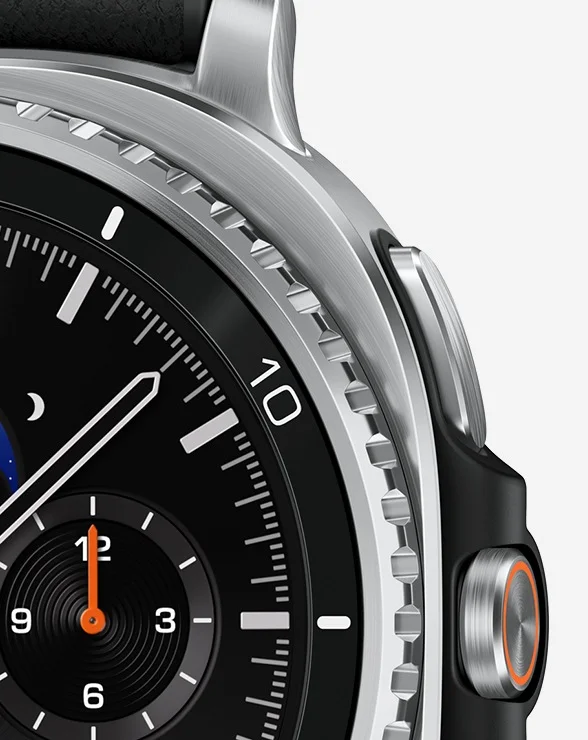
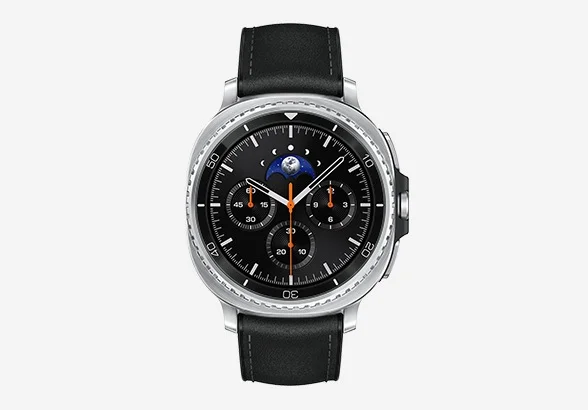
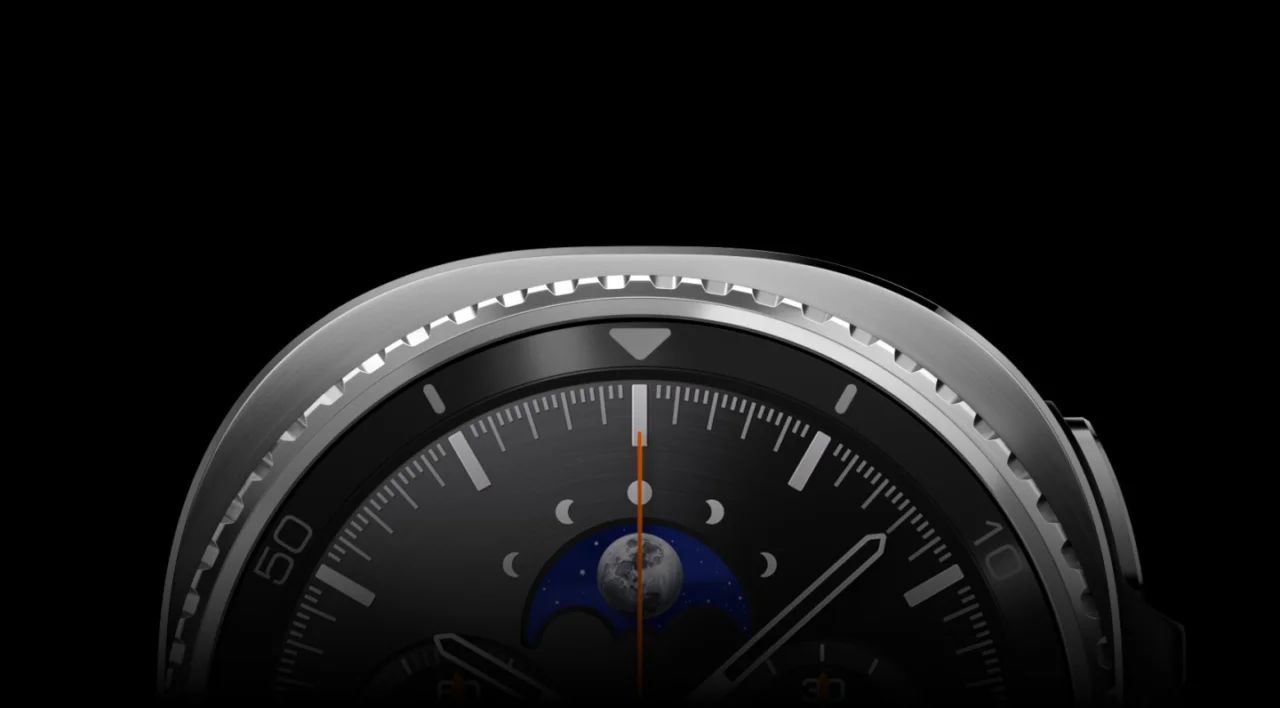
- Samsung says the Galaxy Watch8 Classic brings back the rotating bezel and adds a Quick Button.
- Samsung lists up to 3,000 nits display brightness, a 3 nm processor, and 64 GB storage.
- Current reviews note the Classic is premium and feature-rich but bulkier than slimmer sport-first watches.
📹 Video Review: Galaxy Watch 8 Classic
Watch a hands-on review of the Galaxy Watch 8 Classic’s rotating bezel, health sensors, and Wear OS features.
Specifications
| Category | Premium Android smartwatch / fitness watch |
|---|---|
| Best for | Android users who want a premium smartwatch with strong daily features and credible fitness tracking |
| Display | Bright AMOLED display up to 3,000 nits reported by Samsung |
| Size | 46 mm Classic model |
| Storage | 64 GB storage listed by Samsung |
| Controls | Rotating bezel, Quick Button, touchscreen, voice assistant |
| Software | Wear OS 6 / One UI 8 Watch with Google Gemini support |
Product images: side, detail, and angle views
Running performance: what actually matters
A running watch is useful only if it reduces friction. It should find GPS quickly, start workouts without menu digging, show pace and heart rate clearly, mark laps reliably, sync without drama, and help you understand the run afterward. A giant feature list does not matter if the watch is annoying at mile six.
Samsung says the Galaxy Watch8 Classic brings back the rotating bezel and adds a Quick Button. That gives Samsung Galaxy Watch8 Classic a specific role in the current watch market. The question is whether that role matches your phone, training level, battery expectations, and the amount of coaching detail you actually want.
Display, controls, and workout usability
Display quality matters because runners rarely stare at the watch for long. You need a quick glance to show pace, lap time, distance, heart rate, and workout prompts. A bright AMOLED display can be excellent, but always-on settings, gesture wake, and sunlight readability affect battery life and usability.
Controls matter just as much. Touchscreens are convenient for maps and menus, but buttons are usually better for sweaty hands, rain, gloves, and interval workouts. The best watch for training is the one you can control while tired.
Samsung Galaxy Watch8 Classic should be judged by whether it makes the main training actions easy: start, stop, lap, back, scroll, resume, save, and sync. Those basics matter more than obscure features buried three menus deep.
Battery life and charging reality
Battery claims depend on GPS mode, always-on display, notifications, music, maps, cellular, sensor use, and how often you train. Treat official battery estimates as mode-specific guidance, not a promise that every runner will get the same result.
Samsung lists up to 3,000 nits display brightness, a 3 nm processor, and 64 GB storage. For most runners, the practical question is whether the watch survives your normal week without anxiety. If you run three or four times per week and charge during showers, many watches can work. If you travel, race long, hike, or hate charging, battery should move near the top of your decision list.
Choose a sports-first watch when training reliability, battery, and buttons matter more. Choose a smartwatch-first device when app integration, notifications, calls, payments, and everyday convenience matter more.
Health, recovery, and training metrics
Recovery scores, sleep scores, HRV trends, training readiness, stress tracking, wrist heart rate, and oxygen or temperature features can be helpful, but they are trend tools. They should not replace common sense or medical care.
The best use is pattern recognition. If sleep drops, resting heart rate rises, HRV trends down, and easy pace feels harder, back off. If the watch says you are ready but your body feels flat, trust the warmup and adjust.
For runners, the best metrics are the ones that change behavior: easy pace discipline, heart-rate zone awareness, recovery balance, long-run consistency, workout completion, and weekly training load. Buy Samsung Galaxy Watch8 Classic only if its metrics help you make better decisions.
Samsung Galaxy Watch8 Classic vs the closest alternatives
Watch comparisons are ecosystem decisions. Garmin buyers often want training depth. Apple buyers often want the best iPhone integration. Samsung buyers often want Android smart features. Suunto and COROS buyers often value endurance, battery, simplicity, and navigation.
- Galaxy Watch8 Classic vs Galaxy Watch Ultra
- Galaxy Watch8 Classic vs Garmin Forerunner 170
- Galaxy Watch8 Classic vs Apple Watch Series 11
- Galaxy Watch8 Classic vs Pixel Watch
Choose Samsung Galaxy Watch8 Classic if its strengths match your daily phone use and training priorities. Choose a rival if you need better battery life, more advanced maps, stronger sport analytics, a lighter race-day feel, or better compatibility with your phone.
Accuracy, privacy, and health caution
GPS and heart-rate accuracy can vary by buildings, trees, cloud cover, wrist fit, tattoos, skin contact, cold weather, cadence lock, and software. For best wrist heart-rate results, wear the watch one finger above the wrist bone and tighten it during workouts.
If heart-rate precision matters for intervals or threshold training, pair the watch with a chest strap or reliable optical arm band. If a watch shows a health warning or unusual reading, treat it as a prompt to investigate, not as a diagnosis.
How it fits into a smart training setup
Beginner runner: use Samsung Galaxy Watch8 Classic to build consistency, understand pace, and follow basic workouts without overthinking data.
Improving runner: use workout structure, recovery trends, and weekly load to avoid doing every run too hard.
Advanced runner: compare battery, mapping, sport profiles, sensor support, and training metrics before choosing it over a more specialized endurance watch.
60-second buying checklist
| Phone ecosystem | Confirm iPhone/Android compatibility before buying. Some smartwatch features are limited outside the intended phone ecosystem. |
|---|---|
| Battery routine | Match the watch to how often you are willing to charge, not only the longest advertised mode. |
| Training depth | Buy more advanced metrics only if you will use them to adjust training. Otherwise, a simpler watch may be better value. |
| Accuracy setup | For hard sessions, improve heart-rate accuracy with correct fit or a chest strap. |
Editorial evaluation method
This review is built around the questions runners and active buyers actually ask before purchasing: fit, comfort, durability, training role, feature usefulness, alternatives, price/value, and whether the product solves a real problem. Specifications and official features were checked against product pages and current hands-on coverage listed below.
The recommendation is intentionally practical. It avoids fake lab claims, fake long-term testing claims, and unsupported medical promises. For shoes, the safest final decision still depends on your foot shape, gait, surfaces, and return policy. For watches, it depends on phone compatibility, battery routine, sensor expectations, and training needs.
Samsung Galaxy Watch8 Classic vs Garmin, Apple Watch, Pixel Watch, and Suunto
| Watch | Best for | Why choose it | Why skip it |
|---|---|---|---|
| Samsung Galaxy Watch8 Classic | Android smartwatch runners | Rotating bezel, Wear OS, Samsung features | Battery/training depth trail sport watches |
| Garmin Forerunner 170 Music | Running-first Android users | Training metrics and better sport-watch focus | Less smartwatch app richness |
| Apple Watch Series 11 | iPhone runners | Best everyday iPhone smartwatch | Not for Android users |
| Pixel Watch | Google ecosystem users | Clean Wear OS integration | No rotating bezel advantage |
| Suunto Race 2 | Maps and battery seekers | Stronger sport-watch identity | Less app ecosystem |
Galaxy Watch 8 Classic vs Galaxy Watch 8: Is the Bezel Worth the Premium?
This is the question almost every Samsung buyer asks. The Classic and the standard Watch 8 share the same brain — Exynos W1000 chip, 2GB RAM, 64GB storage, Wear OS 6, the full BioActive sensor suite, and dual-frequency GPS. You are paying extra for the case, the bezel, and the battery. At launch, the Classic cost roughly $120–$150 more than the standard Watch 8 depending on size (prices shift constantly — check the current Classic price and the current Watch 8 price before deciding).
| Feature | Watch 8 Classic (46mm) | Watch 8 (40/44mm) |
|---|---|---|
| Bezel | Physical rotating bezel | Touch-only digital bezel |
| Case | Stainless steel, 46mm only | Aluminum, 40mm or 44mm |
| Display | 1.34″ Super AMOLED, sapphire crystal | 1.2″/1.4″ Super AMOLED, sapphire crystal |
| Battery | 445mAh — Samsung rates up to 40 hours | 325mAh (40mm) / 435mAh (44mm) — up to 40 hours rated |
| Chip / RAM / Storage | Exynos W1000, 2GB, 64GB | Identical |
| Sensors / GPS | BioActive suite, dual-frequency GPS | Identical |
| Water resistance | 10ATM + IP68 | 10ATM + IP68 |
| Quick button | Yes — customizable | No |
✅ Buy the Classic if…
- You want the tactile rotating bezel (gloves, sweat, rain)
- You prefer a larger, more substantial watch
- You like the stainless steel look and quick button
- You are a Samsung phone user going all-in on the ecosystem
❌ Save money with the Watch 8 if…
- You are fine swiping — the software is identical
- You want a smaller/lighter watch (40mm option)
- You run with the watch under tight sleeves
- Budget matters more than the bezel feel
💡 Bottom line: The Classic is the better watch; the standard Watch 8 is the better value. For runners specifically, the bezel’s real advantage is mid-run control — scrolling through data screens with sweaty fingers or gloves without smudging the display.
Galaxy Watch 8 Classic vs Pixel Watch 4
Google’s Pixel Watch 4 is the Classic’s closest Wear OS rival. Both run Wear OS 6, both have dual-frequency GPS, and both target Android users who want a smartwatch first and a training tool second. The choice comes down to ecosystem and control style.
| Feature | Watch 8 Classic | Pixel Watch 4 |
|---|---|---|
| Sizes | 46mm only | 41mm / 45mm |
| Signature control | Rotating bezel | Digital crown |
| Health platform | Samsung Health (Energy Score, Running Coach) | Fitbit (readiness, cardio load) |
| Best phone pairing | Samsung Galaxy phones (full features) | Pixel phones (deepest integration) |
| For runners | Bezel control mid-run, Samsung Running Coach plans | Fitbit coaching, slightly smaller/lighter options |
Verdict: Samsung phone in your pocket? The Classic gives you features (like ECG and blood pressure monitoring in supported regions) that are restricted or absent on non-Samsung phones. Pixel phone? The Pixel Watch 4 integrates more deeply. On any other Android phone, both work — pick the Classic for the bezel and bigger battery, or the Pixel Watch 4 if you prefer Fitbit’s coaching style and a smaller case. Compare Pixel Watch 4 prices here.
Galaxy Watch 8 Classic vs Apple Watch Series 12: A Switcher’s Guide
Thinking of switching sides? Be honest about what you would gain and lose — these watches live in different worlds.
⌚ Stay Apple if…
- You own an iPhone — Galaxy Watches do not work with iPhones at all
- You rely on iMessage, Apple Pay defaults, Apple Health sync
- You want the deepest third-party running app library
📱 Switch to Samsung if…
- You already moved (or are moving) to a Samsung Galaxy phone
- You want the rotating bezel — Apple has no equivalent
- You prefer Samsung Health’s Energy Score and Running Coach
- You want more case presence (46mm steel vs Apple’s aluminum/sportier feel)
⚠️ The hard truth: Switching ecosystems means re-buying apps, migrating health history, and learning new software. Only switch for the phone — never buy a $500 watch to force a phone decision. If you are staying on iPhone, see our Apple Watch Series 12 coverage instead.
Rotating Bezel: Gimmick or Game-Changer?
Every Classic review has to answer this. After aggregating owner feedback and considering how runners actually use watches, here is the honest breakdown.
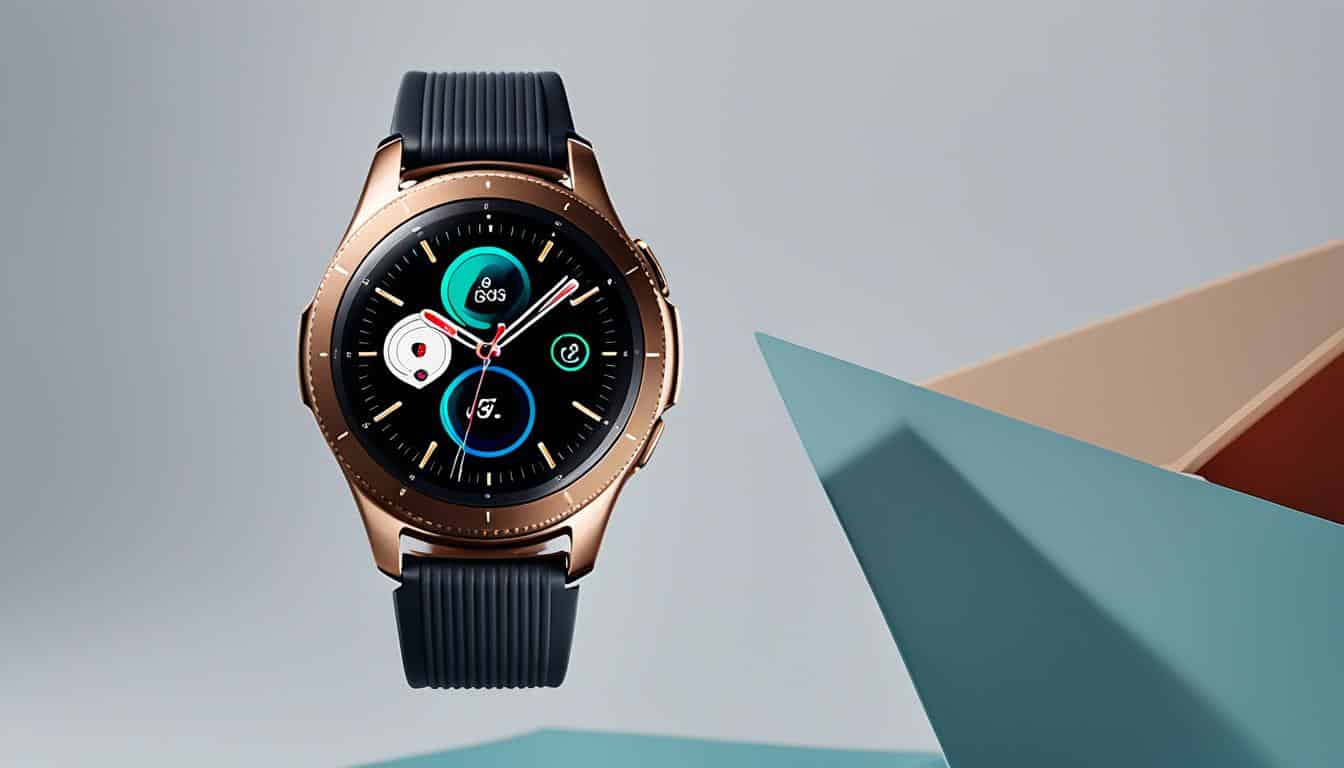
Where the bezel genuinely wins:
- Mid-run scrolling. Sweaty fingers on a touchscreen are unreliable. A physical bezel lets you flip through pace, heart rate, and distance screens without breaking stride or smudging the display.
- Gloves. Winter runners know: touchscreens and gloves are enemies. The bezel just works.
- Rain. Water droplets cause phantom touches on capacitive screens. The bezel is immune.
- Precision. Clicking through detents to a specific data screen beats swiping and hoping.
Where it does not matter:
- If you set up 2–3 data screens and rarely scroll mid-run, you will forget the bezel exists.
- It adds bulk — the Classic is noticeably thicker than the standard Watch 8.
- Long sleeves and tight cuffs can catch on the raised bezel edge.
💡 Runner’s take: For runners, the bezel is closer to game-changer than gimmick — if you run in conditions where touchscreens struggle. Fair-weather treadmill runners can safely save the money. Trail, winter, and ultra runners will feel the difference every single run.
Wear OS 6 Tips for Runners
Most Galaxy Watch owners use a fraction of what the watch can do. These six tweaks make the biggest difference for training:
1. 🏃 Set up Running Coach on day one
Samsung’s Running Coach builds a personalized plan from a 12-minute baseline run. It is free, on-watch, and far more useful than free-running without structure. Find it in Samsung Health → Fitness → Running Coach.
2. 📊 Customize data screens before your first run
Default screens bury the metrics runners need. Long-press the Samsung Health run tile → customize: put pace, heart rate, and distance on screen one. Use the bezel to test scrolling through them.
3. 🎵 Download Spotify playlists for offline runs
Wear OS supports offline Spotify and YouTube Music downloads. Pair Bluetooth headphones directly to the watch and leave the phone at home — the Bluetooth model handles this fine without LTE.
4. 🔗 Sync Samsung Health to Strava automatically
In Samsung Health → Settings → Connected services, link Strava. Workouts sync automatically after each run, so you get Samsung’s analysis and your Strava segments without double-tracking.
5. ⚡ Map the quick button to workouts
The Classic’s customizable quick button is made for this: one press to start your default run workout. No menu diving when you are standing at the trailhead.
6. 🌙 Check Energy Score before hard sessions
Wear the watch overnight and check your Energy Score each morning. It blends sleep, HRV, and activity — a low score is a legitimate signal to swap intervals for an easy run.
Battery Life: Real-World Expectations
Let’s be precise about what Samsung promises and what that means in practice.
- Samsung’s official rating: up to 40 hours on the 445mAh battery (Bluetooth model, typical use).
- What “typical use” assumes: mixed notifications, some workouts, always-on display off. Samsung’s lab conditions, not your life.
- GPS runs drain faster. Dual-frequency GPS, music streaming, and the bright AMOLED display are the three biggest drains. A 90-minute long run with music costs noticeably more than a rest day.
- Always-on display is the silent killer. Owner reports consistently show it shaves hours off. If battery anxiety bothers you, schedule AOD off during sleep.
- LTE model drains faster when away from the phone — the cellular radio is power-hungry. If you always run with your phone, the Bluetooth model lasts longer per charge.
⚡ Practical rule: Expect to charge every 1–2 days with regular training. That is normal for a full Wear OS smartwatch — it is not a Garmin. If you need a week of battery, you are shopping in the wrong category (see our best running watches guide). If nightly or every-other-night charging fits your routine, the Classic’s battery is a non-issue.
Deep buying notes: fit, use case, alternatives, and buyer risk
The Samsung caveats matter. This is an Android and especially Samsung ecosystem product. Battery expectations should be smartwatch expectations, not ultrarunning-watch expectations. GPS and optical heart-rate can be good enough for casual runs, but interval sessions, tattoos, cold weather, loose fit, and wrist movement can affect readings. The rotating bezel is the distinctive advantage: it is genuinely useful when touchscreens are sweaty or wet.
Best settings for first run
Before your first run, set GPS mode, auto-lap, heart-rate alerts, display timeout, data screens, safety/contact settings, and whether you want always-on display. Do one easy calibration run before trusting pace alerts in a race.
Battery by runner type
Daily smartwatch users care about overnight charging and always-on display. Marathoners need race-day GPS confidence. Trail runners and travelers should prioritize GPS mode, map use, music drain, and cold-weather battery loss.
GPS accuracy expectations
Tall buildings, tree cover, watch fit, firmware, and satellite mode all affect GPS. Use route consistency and lap behavior rather than one perfect-looking map screenshot as your accuracy standard.
Heart-rate accuracy limits
Wrist optical heart rate is convenient, not magic. Cold weather, tattoos, loose straps, intervals, cycling grip, and high cadence can create errors. Use a chest strap or arm band if heart-rate precision changes training decisions.
Maps/workouts/music/payment decision
Do not pay for features you will never use. Maps matter for travel and trails. Music matters for phone-free runs. Payments matter if you leave your wallet at home. Structured workouts matter if you follow a plan.
iPhone vs Android compatibility
Compatibility can decide the purchase before specs do. Apple Watch is for iPhone users. Samsung is strongest for Android/Samsung users. Garmin, COROS, and Suunto are broader sport-watch ecosystems with different app trade-offs.
Who should buy cheaper previous model
Buy the older model if it has the same core sensors and features you need at a better price. Upgrade only for battery, screen, GPS, training, maps, or ecosystem features that change daily use.
Race-day setup checklist
Charge fully, update firmware early, disable unnecessary battery drains, set data screens, confirm GPS mode, pair sensors, lock buttons if needed, and start the activity with enough time for GPS lock.
Privacy and health-metric caution
Health metrics are trend tools, not medical diagnosis. Review data-sharing settings, cloud sync, third-party app permissions, and whether you are comfortable storing sleep, HRV, location, and cycle data in that ecosystem.
Ecosystem lock-in
Garmin, Apple, Samsung, Suunto, and COROS each reward staying inside their ecosystem. Consider where your historical data, routes, workouts, music, payments, and health trends will live for the next three years.
FAQ
Is Samsung Galaxy Watch8 Classic good for beginner runners?
Yes, Samsung Galaxy Watch8 Classic can be good for beginners if the price, phone compatibility, battery life, and training features match what you will actually use.
Can Samsung Galaxy Watch8 Classic replace a phone for running?
It can reduce phone dependence for GPS tracking and workout guidance. Whether it fully replaces your phone depends on music, LTE, maps, payments, safety features, and your phone ecosystem.
How accurate is Samsung Galaxy Watch8 Classic?
Accuracy depends on GPS mode, route conditions, wrist fit, heart-rate sensor contact, temperature, tattoos, and software. Use trends for training decisions and consider a chest strap for high-intensity heart-rate precision.
Is Samsung Galaxy Watch8 Classic better than Garmin for runners?
It depends on the model and ecosystem. Garmin often leads in training depth, Apple and Samsung often lead in smartwatch integration, and Suunto/COROS often appeal to runners who value battery and endurance features.
Who should avoid Samsung Galaxy Watch8 Classic?
Skip it if your top priority is multi-day GPS endurance, the lightest race-day watch, iPhone compatibility, or full endurance-training navigation.
What is the best alternative to Samsung Galaxy Watch8 Classic?
The best alternative depends on your priority: battery life, maps, music, LTE, training metrics, phone compatibility, or price. Use the comparison section to choose the closest rival.
Is the rotating bezel durable, or will it get gritty over time?
The bezel is stainless steel, so it resists scratches well. Like any rotating mechanism, it can accumulate sweat and fine debris with heavy use — owner reports mention this as a long-term maintenance consideration rather than a defect. A quick rinse with clean water after very sweaty or dusty runs keeps the action smooth. Samsung has not published an official lifespan rating for the bezel mechanism.
Galaxy Watch 8 Classic LTE vs Bluetooth: which should I buy?
Buy Bluetooth if your phone is always with you on runs — offline Spotify downloads and GPS work identically, and battery lasts longer per charge. Buy LTE if you want phone-free safety: taking calls, streaming music, and emergency contact without carrying your phone. LTE costs more upfront (around $50 at launch pricing) and requires a carrier plan, so only pay for it if you will actually leave the phone behind.
Samsung Health vs Strava: which should runners use?
Use both — they do different jobs. Samsung Health is where the watch’s native features live: Energy Score, Running Coach plans, and Health AI insights. Strava is where segments, clubs, and the social running community live. Link them in Samsung Health → Settings → Connected services, and every run syncs to Strava automatically. No double-tracking needed.
Does the Galaxy Watch 8 Classic work with iPhone?
No. Samsung dropped iOS support starting with the Galaxy Watch 4, and the Watch 8 Classic requires an Android phone (Android 11 or later with 1.5GB RAM). Some features — including ECG and certain Samsung Health insights — additionally require a Samsung Galaxy phone specifically. iPhone users should look at the Apple Watch lineup instead.
Can I swim with the Galaxy Watch 8 Classic?
Yes — it carries a 10ATM + IP68 rating, which Samsung rates as suitable for lap swimming. Rinse the watch with fresh water after pool or ocean swims to protect the seals and the rotating bezel from chlorine and salt. Samsung advises against high-pressure water activities (like diving or water-skiing), and water resistance can degrade over time with wear.
Is the 46mm case too big for small wrists?
The Classic only comes in 46mm, and it wears large — the raised rotating bezel adds visual and physical bulk. If you have smaller wrists, try one on before buying; pay attention to lug-to-lug distance (whether the case overhangs your wrist), not just case diameter. If it feels oversized, the standard 40mm Galaxy Watch 8 offers identical software and sensors in a smaller aluminum case.
Does the Galaxy Watch 8 Classic play Spotify offline during runs?
Yes. The Wear OS Spotify app (and YouTube Music) supports offline playlist downloads directly to the watch’s 64GB storage. Pair Bluetooth headphones to the watch and you can run phone-free — this works on the Bluetooth model, no LTE required. Download playlists over Wi-Fi before you head out.
Final recommendation
Samsung Galaxy Watch8 Classic is worth considering when its strengths match your actual use case. It is not a universal best choice for every runner or active person. It is strongest for the buyer described in the quick verdict and weakest for the buyer described in the skip section.
Best next step: compare your training needs against the checklist above, then confirm current sizing, color, seller, and return policy before buying.
Check Amazon availabilityView official product page
Sources checked
- https://www.samsung.com/id/watches/galaxy-watch/galaxy-watch8-classic-46mm-black-bluetooth-sm-l500nzkaxse/
- https://www.techradar.com/health-fitness/smartwatches/samsung-galaxy-watch-8-classic-review
- https://www.androidcentral.com/wearables/samsung-galaxy-watch-8
Samsung Galaxy Watch 8 Classic FAQ
Is the Galaxy Watch 8 Classic good for marathon runners?
While it offers excellent AI metrics and training load analysis, runners focusing on battery life for ultra-distances should consider dedicated fitness tracking watches with longer GPS endurance.
Does it support advanced running plans?
Yes, it features a Samsung Running Coach. For those just starting out, pairing this with a beginner outdoor running plan can help structure your first 8 weeks of training.
Samsung Galaxy Watch 8 Classic FAQ
Is the Galaxy Watch 8 Classic good for marathon running?
It is suitable for city marathons thanks to its AMOLED display and GPS, but ultra-runners may prefer a dedicated sports watch like the Garmin Fenix 8 for superior battery life.
Does it work with iPhones?
No, the Galaxy Watch 8 Classic requires an Android phone, with the best features reserved for Samsung Galaxy users.
🤔 Should YOU Buy the Galaxy Watch 8 Classic?
Do you use a Samsung phone?
Frequently Asked Questions
Is the Samsung Galaxy Watch 8 Classic good for marathon running?
While it offers excellent AI health metrics and a rotating bezel for easy control, serious marathoners may prefer a dedicated device with longer GPS battery life, such as those found in our best fitness tracking watches guide.
How does the rotating bezel help runners?
The physical rotating bezel allows for precise navigation of workout screens even with sweaty hands or gloves, which is a major advantage over touch-only smartwatches during high-intensity interval training.
Why Runners Should Care About Smartwatch Integration
While the Galaxy Watch 8 Classic excels at daily health monitoring, serious athletes often pair their wearable data with specific training goals. If you are using your watch to track progress toward a race, check out our 5K Training Plan 2026. For those focusing on body composition alongside their mileage, understanding your Resting Metabolic Rate (RMR) can help fine-tune your nutrition for better performance.
Expanding Your Fitness Tech Stack
While the Galaxy Watch 8 Classic is a powerhouse for health metrics, choosing the right gear depends on your specific goals. If you find the battery life or specialized metrics of a smartwatch limiting, you might prefer a dedicated sports watch. Check out our Best Fitness Tracking Watches 2026 guide for a broader comparison. For those on a tighter budget who still want reliable data, our review of best budget smartwatches for fitness tracking offers excellent alternatives.
If your training involves more than just urban runs, consider how this watch pairs with other equipment. For indoor days, see our top picks for the best treadmill for home running to ensure your watch’s indoor run mode stays calibrated.
Optimizing Your Performance
While the Galaxy Watch 8 Classic tracks your stats, achieving your peak requires the right gear and recovery. Ensure you are paired with the best running shoes for your gait. If you are just starting your fitness journey, combining this watch with a 5K training plan can help you utilize the AI coaching features effectively. For those focused on metrics like body composition, balancing your tech with a proper 40-40-20 diet meal plan will yield the best results.