Skip to content
 The best way to burn fat is simple, but not always easy: create a sustainable calorie deficit, eat enough protein, lift weights, use cardio and daily steps to increase energy expenditure, sleep enough, and repeat the plan long enough for your body to change.
Updated 2026-05-11. Educational content only; not a substitute for personal medical advice, diagnosis, or treatment.
Quick answer: what actually burns fat?
Fat loss happens when your body uses more energy than you take in over time. The best method is not a detox, a fat-burning zone, a morning supplement hack, or a secret protocol. It is the combination of a modest calorie deficit, higher protein intake, progressive strength training, regular walking or cardio, sleep, and adherence.
For most people, the winning target is not “as fast as possible.” It is consistent enough to maintain. The CDC notes that people who lose weight gradually and steadily, about 1 to 2 pounds per week, are more likely to keep it off than people who lose weight quickly.[1]
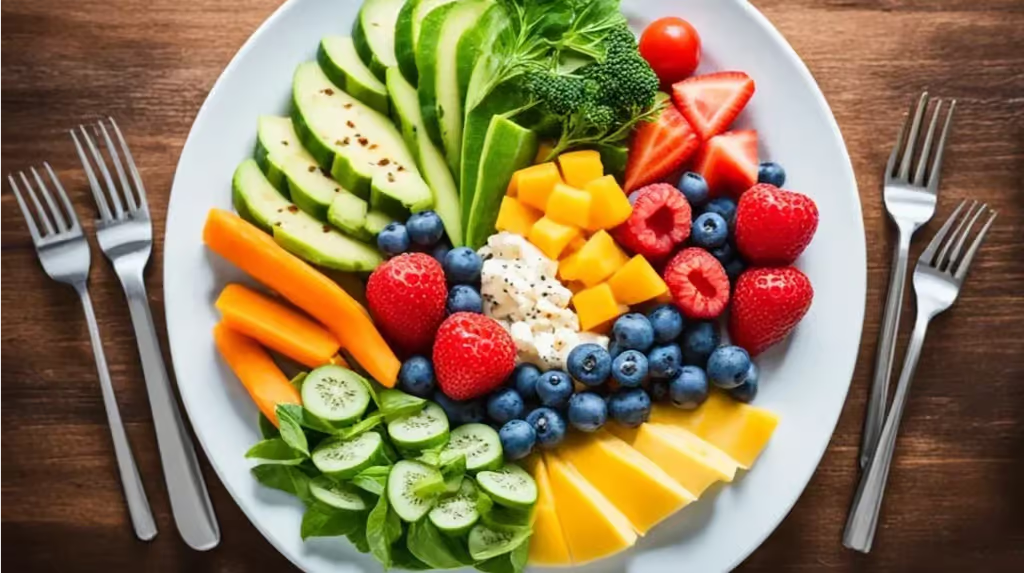
The fat-loss truth: calories matter, but behavior decides the outcome
To burn stored body fat, your body needs a reason to use stored energy. That reason is an energy deficit. You can create it by eating a little less, moving more, or combining both. The best approach usually combines both because it is easier to maintain and better for health than aggressive restriction alone.
That does not mean hormones, stress, food quality, sleep, medications, and genetics are irrelevant. They matter because they change hunger, cravings, energy, water retention, training performance, and adherence. For a deeper look at these drivers, read GearUpToFit’s guide to the major causes of obesity and weight gain.
Trust reset: avoid any fat-loss claim that promises belly-fat loss in a specific number of days, “fat burning while sleeping,” or a single supplement-water-cold-exposure hack. Those claims sound exciting, but they distract from the levers that actually move the needle.
A more accurate model is this: calorie deficit drives fat loss; protein and lifting protect lean mass; walking/cardio increase expenditure; sleep and food quality protect consistency. The NIH Body Weight Planner exists because body weight change is more personal and dynamic than a single “3,500 calories equals one pound” rule.[2]
The best method to burn fat: the 5-part plan
Use this as the core method. You can customize the foods, workouts, and schedule, but do not remove the fundamentals.
1. Modest calorie deficit
Start with a small reduction you can sustain, such as 250–500 calories per day or a portion-based equivalent. Avoid crash diets that trigger rebound eating.
2. Protein at each meal
Protein improves satiety and helps preserve muscle while dieting. Active adults commonly do well around 1.4–2.0 g/kg/day.[5]
3. Strength training
Lift 2–4 days weekly. Train squat, hinge, push, pull, carry, and core patterns. Progress slowly and protect form.
4. Cardio and steps
Use walking, cycling, jogging, rowing, or intervals to increase expenditure. Most adults need aerobic work plus muscle-strengthening activity.[3]
5. Sleep and adherence
Aim for 7+ hours when possible. Poor sleep makes hunger, cravings, and training consistency harder.[8]
Step 1: set a realistic calorie target
Do not begin by starving yourself. Begin by finding maintenance, then create a small deficit. A practical starting point is to track food for 7 days, average your intake, then reduce slightly. If tracking calories makes you obsessive or stressed, use portions instead: one palm of protein, one fist of high-fiber carbs, two fists of vegetables or fruit, and one thumb of fat per meal, then adjust from results.
For precision, use the NIH Body Weight Planner or a registered dietitian. For a more structured food approach, use GearUpToFit’s protein diet plan for weight loss as a starting framework, but extend it beyond seven days with flexible meals you actually enjoy.
Step 2: build your meals around protein, fiber, and minimally processed foods
Protein and fiber are not magic, but they make the deficit easier. Build most meals from lean protein, legumes, Greek yogurt, eggs, fish, tofu, vegetables, fruit, potatoes, oats, rice, whole grains, and healthy fats. Ultra-processed foods can be easy to overeat; in a controlled NIH study, people ate about 500 more calories per day on an ultra-processed diet than on an unprocessed diet, even when meals were matched for presented calories, sugar, fat, fiber, and macronutrients.[9]
Step 3: lift weights to preserve the body you want
When calories drop, your body can lose fat and lean mass. Strength training tells your body that muscle is still needed. Start with 2–3 full-body sessions per week. Use movements you can perform safely: goblet squat, Romanian deadlift, step-up, push-up, dumbbell press, row, pulldown, split squat, farmer carry, plank, and dead bug.
For a dedicated workout structure, use GearUpToFit’s guide to combining cardio and strength training.
Step 4: use walking and cardio to make the deficit easier
Cardio does not have to be punishing. Walking is underrated because it is low-impact, easy to recover from, and repeatable. Add steps first, then layer in structured cardio if needed. A smart baseline is 7,000–10,000 daily steps for many people, adjusted for fitness level, schedule, and joints. For a walking-specific plan, use GearUpToFit’s walking for weight loss plan.
Step 5: protect sleep, recovery, and consistency
Sleep will not “melt fat,” but poor sleep makes fat loss harder. It can increase appetite, reduce training drive, and make higher-calorie foods more tempting. Start with a consistent wake time, morning light, caffeine cutoff, and a 30-minute wind-down routine.
What helps most for fat loss?
These are the highest-return fat-loss levers, ranked by how much they usually matter for sustainable results.
| Lever | Why it helps | Simple target | Common mistake |
|---|---|---|---|
| Highest impact Calorie deficit | Forces the body to use stored energy over time. | Small, repeatable deficit; monitor 2–4 week trend. | Cutting too hard, then overeating later. |
| Protein | Supports satiety and lean mass retention. | Protein at every meal; adjust to body size and activity. | Eating “clean” but too little protein. |
| Strength training | Helps preserve muscle and performance during weight loss. | 2–4 sessions weekly; progressive overload. | Only doing cardio and losing strength. |
| Steps and cardio | Raises energy expenditure and improves heart health. | Build steps first; add cardio based on recovery. | Doing brutal workouts but sitting all day. |
| Sleep and stress control | Improves hunger control, energy, and consistency. | 7+ hours when possible; steady routine. | Using more caffeine and workouts to compensate for sleep debt. |
| Useful but secondary Meal timing | Can help structure appetite and reduce snacking. | Use the schedule you can repeat. | Believing fasting or keto is required. |
Heart-rate zones can help you pace cardio, but they are not a magic fat-loss switch. Use GearUpToFit’s fat-burning heart-rate calculator for training guidance, not as proof that one zone overrides energy balance.

What is overhyped?
Fat-loss marketing often takes a small truth and turns it into a promise. Here is the cleaner version.
| Claim | What is true | What to do instead |
|---|---|---|
| “The fat-burning zone melts fat.” | Lower-intensity cardio may use a higher percentage of fat during the session, but total fat loss still depends on the overall deficit. | Use zones for pacing. Choose cardio you recover from and can repeat. |
| “Fasted cardio burns more body fat.” | It may burn more fat during the workout, but it is not automatically better over 24 hours if total calories are the same. | Train fed or fasted based on performance, comfort, and consistency. |
| “Ice water, cold showers, or sweat hacks burn fat fast.” | Temperature can affect energy use a little, but the effect is not big enough to replace food intake, movement, and training. | Use cold exposure only if you enjoy it and tolerate it safely. Do not build your fat-loss plan around it. |
| “L-carnitine turns you into a fat-burning machine.” | Carnitine is involved in fatty-acid transport, but supplement claims are often much stronger than practical real-world results.[7] | Spend your effort on protein, calories, strength, steps, and sleep first. |
| “You burn fat while sleeping.” | You burn energy at rest, including during sleep, but no nighttime trick outperforms your day-to-day energy balance. | Sleep to support appetite and recovery, not as a loophole. |
| “HIIT every day is best.” | HIIT can be effective and time-efficient, but too much can increase fatigue and reduce adherence. | Start with walking and strength. Add 1–2 HIIT sessions weekly only if recovery is good. |
For exercise options that do not rely on gimmicks, see GearUpToFit’s guide to the best exercises for weight loss.
Supplements for fat loss: helpful support or distraction?
Supplements should fill gaps, not become the plan. The NIH Office of Dietary Supplements notes that weight-loss supplement fact sheets summarize safety and efficacy because claims vary widely and some products can carry risks.[6]
| Supplement | Possible role | Reality check |
|---|---|---|
| Protein powder | Convenient way to hit protein targets. | Useful if whole-food protein is hard to reach. Not required. |
| Creatine monohydrate | Supports strength and training performance. | Not a fat burner; scale weight may rise from water stored with muscle. |
| Caffeine | May improve workout performance and temporarily reduce appetite for some. | Can worsen anxiety, sleep, reflux, or blood pressure in sensitive people. |
| Psyllium or fiber | Can support fullness and regularity. | Increase slowly with water; check medication timing with a clinician or pharmacist. |
| L-carnitine and “fat burners” | Often marketed as metabolic accelerators. | Do not rely on them. Evidence and safety vary; avoid stimulant stacks and proprietary blends. |
Safety note: talk with a qualified clinician before using fat-loss supplements if you are pregnant, breastfeeding, under 18, have heart disease, high blood pressure, liver or kidney disease, an eating disorder history, or take prescription medication.
What about belly fat?
Belly fat is the phrase people search, but your body does not remove fat only from the area you train. Crunches can strengthen abdominal muscles, but they do not guarantee belly-fat loss by themselves. The reliable path is to reduce total body fat while improving fitness and waist measurement over time.
What works for belly fat
- A modest calorie deficit.
- Higher protein and high-fiber meals.
- 2–4 weekly strength sessions.
- Daily walking and weekly cardio.
- Consistent sleep and alcohol moderation.
- Waist measurement every 2 weeks.
What usually disappoints
- Hundreds of crunches with no diet change.
- Waist trainers, detox teas, and sweat belts.
- Extreme fasting followed by rebound eating.
- Fat burners instead of meal structure.
- Only scale tracking with no waist or strength data.
For more nuance on meal timing, read GearUpToFit’s evidence-aware guide to intermittent fasting benefits. Fasting can help some people reduce calories, but it is a tool, not a requirement.

30-day starter plan: burn fat without crash dieting
This plan is designed for a beginner or returning exerciser who wants results without gimmicks. Adjust for injuries, medical conditions, schedule, and training history. If you have a chronic condition or a lot of weight to lose, get personal guidance from a clinician or registered dietitian.
Week 1: baseline
Track weight trend, waist, steps, sleep, and protein. Do not slash calories yet. Learn your starting point.
Week 2: food structure
Add protein to every meal, vegetables or fruit twice daily, and reduce the easiest 250–500 calories from snacks, drinks, portions, or takeout.
Week 3: training rhythm
Complete 2–3 full-body strength workouts. Walk after meals when possible. Add one moderate cardio session.
Week 4: adjust
If the 14-day trend is moving, continue. If not, add 1,500–2,500 steps per day or reduce intake slightly.
Weekly workout template
| Day | Workout | Goal |
|---|---|---|
| Monday | Full-body strength A: squat, push, pull, hinge, core | Build or preserve muscle |
| Tuesday | 30–45 min brisk walk or easy bike | Low-stress calorie burn |
| Wednesday | Full-body strength B: lunge, row, press, deadlift pattern, carry | Progressive overload |
| Thursday | Steps only, mobility, or easy walk | Recovery and consistency |
| Friday | Optional strength C or short interval session | Add volume only if recovered |
| Saturday | Long walk, hike, sport, bike, or swim | Enjoyable movement |
| Sunday | Rest, meal prep, sleep reset | Adherence for next week |
Simple fat-loss meal template
- Protein: chicken, fish, lean meat, eggs, Greek yogurt, cottage cheese, tofu, tempeh, beans, lentils, or protein powder when needed.
- Fiber-rich carbs: potatoes, oats, rice, beans, fruit, whole grains, or starchy vegetables.
- Volume foods: salad, vegetables, broth-based soups, berries, apples, melon, zucchini, mushrooms, peppers, cucumbers.
- Fats: olive oil, avocado, nuts, seeds, whole eggs, fatty fish. Measure fats if fat loss stalls because they are calorie-dense.
- Drinks: water, sparkling water, unsweetened tea, black coffee, or low-calorie drinks if they help adherence.
Want a more aggressive but still realistic monthly framework? Use GearUpToFit’s plan to lose 10 pounds in a month carefully: it should be treated as a structured short-term target, not a crash-diet promise.
How to know your fat-loss plan is working
Do not judge a plan from one weigh-in. Water, sodium, menstrual cycle, travel, soreness, bowel changes, and stress can hide fat loss for several days. Use trends.
Track these
- Average scale weight over 7 days.
- Waist measurement every 2 weeks.
- Progress photos every 4 weeks.
- Strength numbers or reps.
- Daily step average.
- Sleep duration and hunger level.
Adjust like this
- If weight and waist are dropping, keep going.
- If hunger is extreme, increase protein, fiber, and sleep before cutting more.
- If no change after 2–4 weeks, reduce intake slightly or add steps.
- If performance crashes, reduce HIIT and improve recovery.
Helpful video: set a realistic target with the NIH Body Weight Planner
The NIH Body Weight Planner can help estimate calorie and physical activity changes needed to reach and maintain a goal weight. Use it as a planning tool, then adjust from real-world progress.
How to Lose Fat Without Losing Muscle
The best way to lose fat without losing muscle is to combine a modest calorie deficit, high protein intake, progressive strength training, daily steps, and enough sleep. Avoid crash diets because they often reduce training quality and increase muscle-loss risk.
A practical target is slow, steady fat loss. The CDC notes that gradual weight loss of about 1–2 pounds per week is more likely to be maintained long term. For active people, protein is especially important. The International Society of Sports Nutrition states that many exercising individuals do well around 1.4–2.0 g/kg/day for building or maintaining muscle.
Protein and Strength Priorities
- Lift weights 2–4 times per week and try to maintain strength while dieting.
- Spread protein across meals instead of saving most of it for dinner.
- Keep the deficit moderate so workouts do not collapse.
- Use steps and low-intensity cardio to increase expenditure without excessive fatigue.
Start by using the site’s tools to calculate your calories and macros, then adjust based on your 2–4 week weight trend.
Frequently asked questions
What is the best way to burn fat?
The best way to burn fat is to maintain a modest calorie deficit while eating enough protein, strength training, using walking or cardio to raise daily energy expenditure, sleeping enough, and choosing habits you can repeat for months.
How fast should I try to lose fat?
A realistic target for many adults is about 0.5% to 1% of body weight per week, or roughly 1 to 2 pounds per week for many people. Faster loss can happen early, but aggressive plans are harder to sustain and can increase hunger, fatigue, and muscle loss risk.
Can I lose belly fat specifically?
You cannot reliably choose where fat comes off first. Belly fat usually decreases when total body fat decreases through a calorie deficit, progressive training, daily movement, sleep, and consistency.
Is HIIT better than walking for fat loss?
Neither is automatically better. HIIT is time efficient but harder to recover from. Walking is lower stress and easier to repeat daily. The best plan often combines strength training, regular walking, and 1 to 2 harder cardio sessions only if recovery is good.
Do fat-burning supplements work?
No supplement replaces a calorie deficit. Protein powder, fiber, caffeine, or creatine may support adherence or training, but fat burners and L-carnitine are not magic and can have side effects or medication interactions.
Do I need intermittent fasting or keto to burn fat?
No. Intermittent fasting and keto can work if they help you eat fewer calories consistently, but they are not required. A higher-protein, mostly whole-food diet can work with many meal schedules.
Why am I not losing fat even though I exercise?
Common reasons include eating back exercise calories, underestimating portions, low step counts outside workouts, poor sleep, weekend overeating, or expecting results from a few days instead of a 2 to 4 week trend.
Should I do fasted cardio?
Fasted cardio is optional. It may feel good for some people, but it is not superior if total calories, protein, and training are matched. Choose the timing that helps you train consistently.
Editorial note: why this guide avoids fat-loss hype
This page is written as a practical fitness and weight-management guide, not a medical prescription. It prioritizes sustainable behavior, training quality, food structure, and transparent evidence over extreme claims. Individual needs vary based on age, sex, medical history, medications, injury status, pregnancy, menopause, training history, and eating-disorder risk.
Seek personal medical advice before starting a weight-loss plan if you have diabetes, heart disease, kidney disease, liver disease, a history of disordered eating, are pregnant or breastfeeding, or are taking medication that affects appetite, blood sugar, blood pressure, or fluid balance.
References and evidence checked
- CDC: Steps for Losing Weight — steady, gradual weight loss and lifestyle behaviors that support healthy weight.
- NIDDK: Body Weight Planner — personalized calorie and physical activity planning tool.
- CDC: Physical Activity and Your Weight and Health — physical activity, diet adjustment, and weight management guidance.
- Physical Activity Guidelines for Americans, 2nd edition — aerobic and muscle-strengthening recommendations for adults.
- International Society of Sports Nutrition Position Stand: Protein and Exercise — protein intake for exercising individuals.
- NIH Office of Dietary Supplements: Dietary Supplements for Weight Loss — safety and efficacy overview for common weight-loss supplement ingredients.
- NIH Office of Dietary Supplements: Carnitine — carnitine role and weight-loss supplement context.
- CDC: Sleep in Adults — adult sleep duration guidance.
- NIH: Heavily Processed Foods Cause Overeating and Weight Gain — controlled NIH study on ultra-processed diets and energy intake.
FAQ: Fat Loss Without Muscle Loss
To lose fat without losing muscle, use a modest calorie deficit, eat enough protein, keep strength training progressive, sleep consistently, and avoid aggressive crash diets that make performance drop.
Many active adults do well around 1.4–2.0 g/kg/day of protein while dieting, especially when combined with resistance training. Individual needs vary by body size, training status, and calorie deficit size.
Frequently Asked Questions About Fat Loss
What is the most effective way to burn fat?
The most effective method is a combination of a sustainable calorie deficit, high protein intake, and consistent strength training. This approach preserves muscle while forcing the body to use stored fat for energy.
How long does it take to see weight loss results?
Most experts recommend a rate of 1 to 2 pounds per week. Significant body composition changes typically become visible after 8 to 12 weeks of consistent adherence to a nutrition and exercise plan.
Frequently Asked Questions
Is running or lifting weights better for fat loss?
Both are effective, but they serve different roles. Lifting weights preserves muscle mass while in a deficit, while running is an efficient way to increase calorie expenditure. Combining them often yields the best results.
How many steps a day should I walk to lose weight?
While 10,000 is a common goal, aiming for 7,000–9,000 steps daily is a significant benchmark for increasing metabolic health and supporting a calorie deficit.
Frequently Asked Questions About Fat Loss
What is the best exercise to burn fat?
The best method combines strength training to preserve muscle with regular walking or cardio to increase expenditure. For runners, following a running for weight loss schedule is highly effective when paired with a calorie deficit.
How can I speed up my metabolism?
You can influence your metabolic rate by increasing muscle mass, staying active, and ensuring adequate protein intake. For more tips, see our guide on how to speed up your metabolism.
Frequently Asked Questions About Fat Loss
What is the most effective way to burn fat?
The most effective method is combining a modest calorie deficit with high protein intake, progressive strength training, and consistent daily movement like walking.
Do I need cardio to lose weight?
While not strictly required, cardio helps increase energy expenditure. Many people find success using a 5K training plan to add structure to their routine.
How does protein help with fat loss?
Protein promotes satiety and preserves lean muscle mass. For specific targets, refer to our protein intake for muscle growth guide.
Frequently Asked Questions About Burning Fat
What is the most effective exercise to burn fat?
The best method combines progressive strength training to preserve muscle with consistent low-impact movement like walking or steady-state cardio to increase energy expenditure.
How long does it take to see fat loss results?
Most experts recommend a steady loss of 1-2 pounds per week. Significant body composition changes typically become visible within 8 to 12 weeks of consistent adherence to a calorie deficit and training plan.