Skip to content
 GearUpToFit Guide | Updated July 9, 2026 | Mobile-first | No sticky or frozen elements
Affiliate disclosure: GearUpToFit is reader-supported. As an Amazon Associate, GearUpToFit may earn from qualifying purchases through links with the affiliate tag papalex-20. We do not hardcode Amazon prices because pricing, sellers, colors, sizes, images, ratings, and availability change.
Who this is for / Who should skip it
Who this is for
- Completely sedentary individuals looking for a safe, structured path to start running.
- Walkers who want to build the cardiovascular capacity to run 3.1 miles continuously.
- Beginners wanting to participate in a local 5K community race or parkrun event.
- Recreational exercisers looking to establish a consistent, low-stress cardio routine.
Who should skip it
- Experienced runners who can already run 3 miles and want a training plan to run faster.
- Individuals with diagnosed bone stress injuries or severe, unmanaged orthopedic issues.
- Those seeking short-duration high-intensity interval training (HIIT) for explosive power.
- Anyone without medical clearance for moderate-to-vigorous aerobic exercise.
What is Couch to 5K? A Clear Definition
Couch to 5K (abbreviated as C25K) is a standardized progressive conditioning program designed to take individuals from a completely sedentary lifestyle to running 5 kilometers (3.1 miles) continuously. The core principle of the program is the walk-run interval method, which systematically alternates short bursts of jogging with walking recovery. Over several weeks, the jogging segments gradually lengthen while the walking segments shorten, allowing the heart, lungs, and musculoskeletal system to adapt slowly to the demands of impact exercise.
Unlike programs designed for experienced athletes, a Couch to 5K plan does not focus on speed, race timing, or split times. Its sole purpose is to build aerobic base conditioning and structural resilience. The physical transition from sedentary living to running requires a metabolic shift—shifting your muscles to utilize oxygen more efficiently (aerobic pathways) and building structural density in your bones, ligaments, and tendons. By keeping the progression gradual, C25K minimizes the micro-trauma associated with repetitive foot strikes, making it the most successful pathway for first-time runners.
Comparison Table: Comparing 5K Training Methods
While the standard Couch to 5K program is highly popular, different runners benefit from tailored approaches. The table below compares the standard plan with other major beginner training frameworks.
| Training Method | Weekly Frequency | Interval Structure | Primary Focus | Best For |
|---|---|---|---|---|
| Standard C25K Plan | 3 days per week | Progressive increase in jogging segments, culminating in a 30-minute run. | Time-based continuous running. | General public looking for a balanced, step-by-step fitness build-up. |
| Galloway 5K Method | 3-4 days per week | Run-walk intervals are maintained even on race day (e.g., run 30s, walk 30s). | Fatigue management and joint preservation. | Older adults, injury-prone individuals, or runners with joint discomfort. |
| Distance-Based C25K | 3 days per week | Intervals are measured in fractions of a mile/kilometer rather than minutes. | Precise distance mapping. | Runners with dedicated access to a marked outdoor track or running path. |
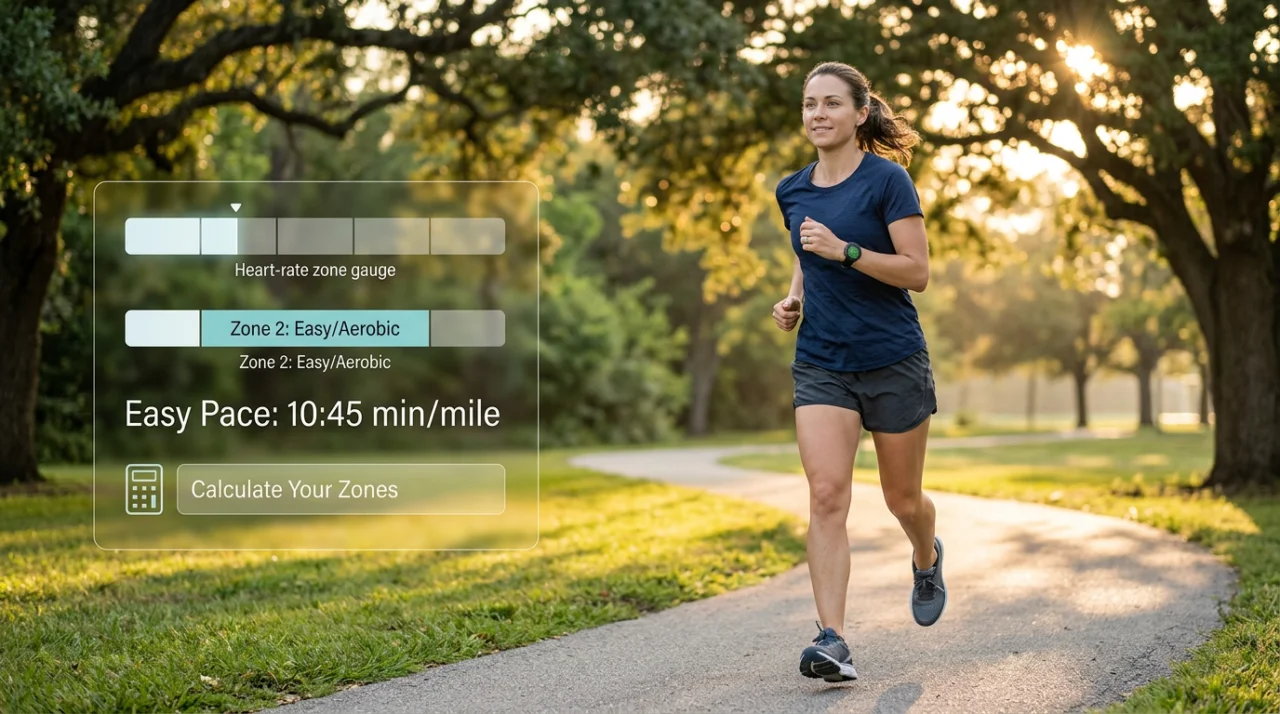
| Heart Rate Base C25K | 3 days per week | Run-walk transitions are triggered purely when heart rate exits Zone 2. | Cardiovascular optimization. | Data-focused beginners using smartwatches with accurate chest-strap monitors. |
The Physiology of a 5K: What Happens to Your Body
To understand why the Couch to 5K plan works, it helps to understand the underlying exercise physiology. Running is predominantly an aerobic activity; over 95% of the energy utilized during a 5K comes from aerobic metabolism (producing energy using oxygen). When you transition from sitting on a couch to jogging, your body undergoes several rapid adaptations:
- Stroke Volume: Your heart pumps more blood per beat, making oxygen delivery to working leg muscles more efficient.
- Capillarization: Tiny blood vessels (capillaries) multiply around your muscle fibers, increasing the surface area for oxygen and nutrient exchange.
- Mitochondrial Density: The “powerhouses” of your cells increase in size and number, allowing you to convert fat and glucose into ATP (energy) more efficiently.
- Bone Remodeling: With each foot strike, stress signals trigger osteoblasts to deposit new bone tissue in your shins, heels, and hips, making them stronger.
Because bone remodeling is a slow biological process—taking up to 6 to 8 weeks to show significant structural strength—the walk-run intervals in C25K are critical. They provide the necessary stimulus for bone growth without overloading the bone matrix, which could lead to stress fractures.
The 9-Week Couch to 5K Training Calendar
This 9-week calendar is structured around three weekly sessions. Maintain at least one full recovery day between training sessions. Always begin with a 5-minute warm-up walk and end with a 5-minute cooldown walk. Keep your jogging segments slow and conversational.
| Week | Day 1 Workout | Day 2 Workout | Day 3 Workout | Weekly Focus |
|---|---|---|---|---|
| Week 1 | Jog 60s, Walk 90s (Repeat 8x) | Jog 60s, Walk 90s (Repeat 8x) | Jog 60s, Walk 90s (Repeat 8x) | Learn pacing. Do not sprint. Keep breathing steady. |
| Week 2 | Jog 90s, Walk 2 mins (Repeat 6x) | Jog 90s, Walk 2 mins (Repeat 6x) | Jog 90s, Walk 2 mins (Repeat 6x) | Check shoe fit. Watch for hotspots or blisters. |
| Week 3 | Jog 90s, Walk 90s, Jog 3m, Walk 3m (Repeat 2x) | Jog 90s, Walk 90s, Jog 3m, Walk 3m (Repeat 2x) | Jog 90s, Walk 90s, Jog 3m, Walk 3m (Repeat 2x) | Focus on posture. Keep torso upright and chest open. |
| Week 4 | Jog 3m, Walk 90s, Jog 5m, Walk 2.5m (Repeat 2x) | Jog 3m, Walk 90s, Jog 5m, Walk 2.5m (Repeat 2x) | Jog 3m, Walk 90s, Jog 5m, Walk 2.5m (Repeat 2x) | Hydrate before running, especially in warm outdoor air. |
| Week 5 | Jog 5m, Walk 3m, Jog 5m, Walk 3m, Jog 5m | Jog 8m, Walk 5m, Jog 8m | Jog 20 mins continuously (No walking) | Mental milestone: The first 20-minute continuous run. |
| Week 6 | Jog 5m, Walk 3m, Jog 8m, Walk 3m, Jog 5m | Jog 10m, Walk 3m, Jog 10m | Jog 22 mins continuously (No walking) | Do not rush Day 3. Keep the speed exceptionally easy. |
| Week 7 | Jog 25 mins continuously | Jog 25 mins continuously | Jog 25 mins continuously | Consistency is key. Focus on a steady rhythm. |
| Week 8 | Jog 28 mins continuously | Jog 28 mins continuously | Jog 28 mins continuously | neuromuscular adaptation. Run on your goal surface. |
| Week 9 | Jog 30 mins continuously | Jog 30 mins continuously | Jog 30 mins (or 5K distance) continuous run! | Graduation week. Complete your first full 5K! |
Essential Couch-to-5K Gear: Verified Verdicts
As you transition to continuous running, small friction points can turn into painful setbacks. Proper gear protects your skin and carries your phone and keys safely during longer running segments. We have tested and reviewed the top gear options below to keep your training comfortable.

Image source: Amazon Product Advertising API
Best Running Waist Pack
SPIbelt Original Waist Pack
Verdict: A highly expandable, low-profile running belt that secures large smartphones flat against the body, eliminating bounce completely during continuous runs.
Buy it if: You want a minimalist, lightweight waist belt that doesn’t bounce, rub, or slide up your shirt, and fits under your clothing.
Skip it if: You need to carry multiple water bottles or bulkier snacks for ultra-distance training.
- Pocket expands to fit massive phones like iPhone Pro Max models comfortably.
- Soft elastic band adjusts securely to avoid friction chafing on the waist.
- Stays tucked away under shirts for a clean, non-bulky look.
Amazon listing details change over time. Verify colors, buckle styles, and fit range before buying.

Image source: Amazon Product Advertising API
Best Anti-Chafe Solution
Body Glide Anti-Chafe Balm
Verdict: An allergen-free, clean-stick balm that creates a dry, invisible protective barrier on skin, preventing painful chafing and blisters caused by sweat and friction.
Buy it if: You experience skin rubbing or irritation on your thighs, armpits, feet, or sports bra bands during humid workouts.
Skip it if: You prefer liquid creams or oil-based petroleum jellies that stain technical fabrics.
- Plant-derived formula is safe for sensitive skin and leaves no grease.
- Durable barrier lasts for hours under heavy perspiration and rain.
- Roll-on stick allows fast, clean application without residue on hands.
Check product sizes on Amazon. Smaller travel sizes are ideal for running belts, while larger sticks are best for home use.
Couch to 5K Survival Guide: Visual Walkthrough
Surviving the first few weeks of the Couch to 5K program requires managing your pacing and avoiding early exhaustion. This coaching video breaks down the practical mental shifts, gear strategies, and survival tips to ensure you reach graduation week.
Running Form, Cadence, and Pacing for Beginners
Form is not about looking like an Olympic athlete; it is about efficiency and injury prevention. Focus on three major variables during your C25K runs:
1. The “Talk Test” for Pacing
The single biggest mistake C25K runners make is running too fast during the jogging segments. Running is not sprinting. Your jog should be slow enough that you can speak a full, coherent sentence aloud without taking a breath mid-word. If you are gasping, slow down. If you feel like your jog is barely faster than a walk, that is perfectly fine. The goal is time on your feet, not speed.
2. Step Cadence (Steps Per Minute)
Most beginners take long, heavy strides, landing their heels far in front of their bodies. This acts as a brake and sends impact force directly into the shins and knees. Instead, focus on taking quick, short, light steps. Try to increase your cadence to around 165 to 175 steps per minute. Short steps ensure your feet land directly beneath your hips, utilizing your body’s natural shock absorption.
3. Landing Under Your Body
Make sure your landing foot is under your bent knee as it makes contact with the ground. Avoid reaching forward with a locked knee joint. Landing under your body allows your quadriceps and calves to absorb the force of impact, preserving your joint health.
Troubleshooting, Muscle Soreness, and Common Obstacles
Expect some challenges as your body adapts. Use this guide to navigate common issues:
- Delayed Onset Muscle Soreness (DOMS): Dull muscle aches in your thighs and calves 24-48 hours after a run are normal. This is a sign of muscles adapting and rebuilding. Light walking or active recovery helps clear metabolic waste. Sharp or localized pain in joints or bones is not normal; stop running and rest.
- Chafing and Rubbing: Repetitive movements combined with sweat cause skin friction. Apply a light layer of Body Glide balm to high-friction areas before starting your run to prevent painful skin irritation.
- Mental Roadblocks: Week 5 Day 3 (the first continuous 20-minute run) can look terrifying on paper. Remind yourself that weeks 1-4 have successfully built the aerobic base you need. Break the run down mentally into 5-minute blocks instead of thinking about the entire 20 minutes.
- Side Stitches: If you feel a sharp spasm under your ribs, slow down to a walk, press gently on the painful area, and take deep belly breaths (exhaling fully as your foot on the opposite side hits the ground).
Frequently Asked Questions
What if I need to repeat a week of the C25K program?
Repeating weeks is highly recommended! If you feel like you barely finished a week or experienced extreme fatigue, repeat that exact week before moving on. The program is a guide, not a contract. Listen to your body and adapt the schedule to your personal recovery rate.
Can I complete the Couch to 5K program on a treadmill?
Yes. The training structure translates perfectly to a treadmill. If training indoors, set the treadmill incline to 1% to better simulate the wind resistance and effort of outdoor running. Keep in mind that you will still need a short transition period to get used to landing on harder outdoor asphalt later on.
What should I eat before my Couch to 5K workouts?
For short 20-30 minute walk-run sessions, you do not need heavy pre-run meals. Running on a full stomach can cause cramps or nausea. If running in the morning, a small banana or a slice of toast with a little peanut butter 30-60 minutes before your run is perfect. Ensure you are hydrated with water.
How do I prevent my phone and keys from bouncing while I run?
Holding your phone in your hand or letting keys jingle in loose pockets ruins your running form and causes muscle tension. Using a high-quality, bounce-free running belt like the SPIbelt keeps your hands free and holds your items flat against your hips so you don’t feel them moving.
Is it normal to feel out of breath during the first week?
Yes, absolutely. Your cardiovascular system is adapting to a new level of effort. However, if you are gasping or coughing, it means you are running too fast. Slow your jogging segments down to a very gentle trot. You should always be able to maintain a conversation while running.
Sources, Editorial Standards, and Review Date
Reviewed and rewritten on July 9, 2026. This training program follows established coaching standards from the American Council on Exercise (ACE) and the American College of Sports Medicine (ACSM). Our recommendations are fact-checked, independent, and reader-supported. Consult your physician before initiating any cardiovascular training regimen.
- GearUpToFit testing standards
- GearUpToFit editorial policy
- GearUpToFit affiliate disclosure
- American College of Sports Medicine (ACSM) position stand on physical activity and fitness progression.
Continue Your Fitness Journey: Internal Links
Frequently Asked Questions About Couch to 5K
What if I fail a week of the C25K plan?
There is no “failing”—only adaptation. If a week feels too difficult, repeat it until you feel comfortable before moving to the next stage.
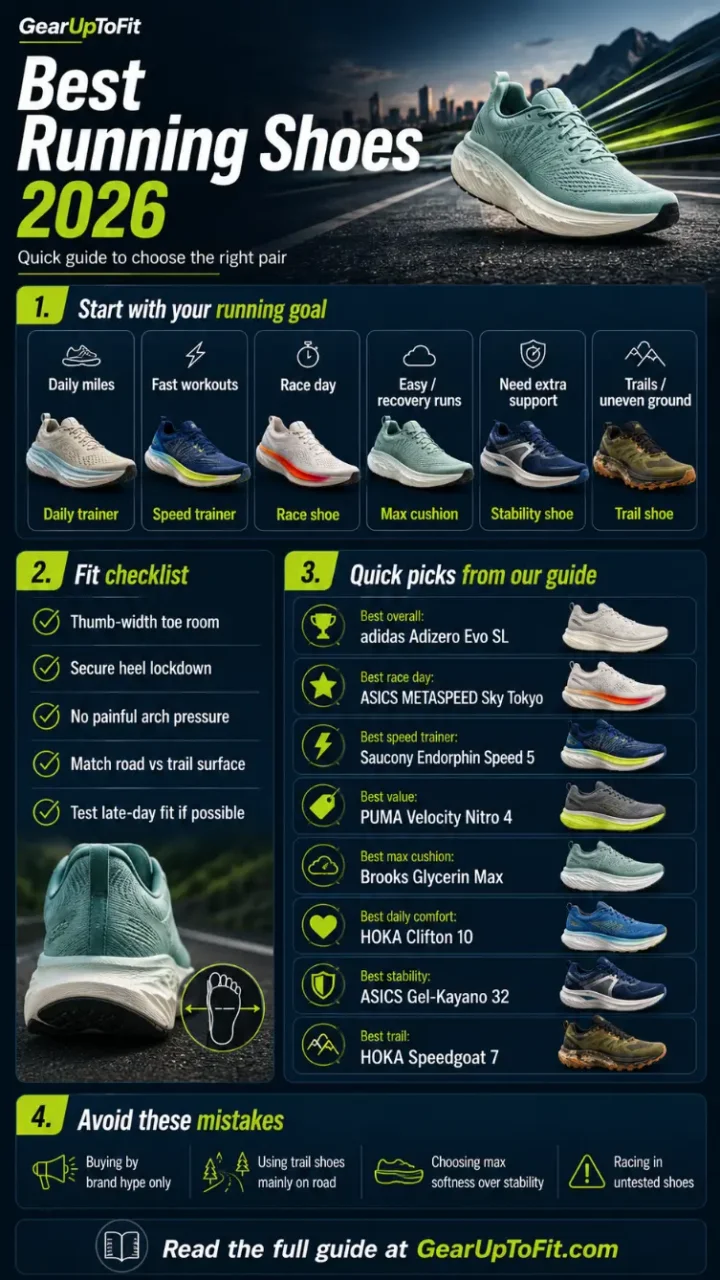
How do I choose the right running shoes?
Choosing proper footwear is essential for injury prevention. Visit a local shop or check our guide on expert-reviewed running shoes to find the best match for your gait.
Can I do C25K on a treadmill?
Yes, many beginners prefer the controlled environment of a treadmill. If you are shopping for equipment, consider the best treadmills for home running to start your training indoors.
Optimizing Your Progress
While following the schedule, integrating specific strength work can prevent common beginner injuries. Incorporating core exercises for beginners helps maintain stable posture as your running intervals lengthen. If outdoor conditions are a barrier, following this plan on the best treadmill for home running ensures consistency regardless of weather.
Recommended Gear for New Runners
Success in a C25K program depends heavily on protecting your joints. We recommend starting with the most comfortable running shoes to manage the new impact stresses. For those needing maximum protection, the Nike Vomero 18 offers elite-level cushioning that is ideal for heavier foot strikes during the transition from walking to jogging.
Frequently Asked Questions About Couch to 5K
What are the best shoes for a Couch to 5K plan?
Beginners should prioritize cushioning and stability. A high-quality daily trainer, such as the ones featured in our Best Daily Running Shoes guide, provides the necessary shock absorption for new runners.
How can I prevent injuries while starting to run?
Avoid increasing mileage too quickly and incorporate strength work. Adding a core routine for beginners helps stabilize your torso, reducing the impact on your joints during the run-walk intervals.
Couch to 5K Frequently Asked Questions
What are the best daily running shoes for beginners?
For most beginners starting a Couch to 5K plan, a neutral, cushioned shoe is ideal for joint protection. Expert-tested options like the ASICS Gel-Nimbus 27 or the Nike Vomero 18 provide maximum comfort for those new to high-impact exercise.
How can I prevent injuries during 5K training?
Injury prevention relies on gradual progression and supplemental strength. Incorporating a core stability routine twice a week helps maintain proper running form, while choosing the best running shoes for your gait reduces stress on the shins and knees.
Is it better to run a 5K on a treadmill or outdoors?
Both have benefits. Training on the best treadmill for home running allows for precise pace control and reduced impact, whereas outdoor running better prepares you for the specific terrain and wind resistance of a local race.
Couch to 5K Resource Guide
- Footwear: Check out the Best Running Shoes 2026 or specifically the ASICS Gel-Nimbus 27 for maximum cushion.
- Injury Prevention: Incorporate this 12-Minute Core Routine and learn about Cross-Training for Runners to stay healthy.
- Tracking: Monitor your progress with the Best Budget Smartwatches for Fitness Tracking.
- Alternatives: If you prefer the indoors, see our Best Treadmill for Home Running guide.
Maximize Your 5K Success
To support your training, focus on low-impact recovery and proper gear. Incorporating core exercises for beginners can improve stability, while wearing the best running shoes for your gait will prevent common overuse injuries. For those training indoors, finding the best treadmill for home running ensures consistency regardless of the weather.