
GearUpToFit Evidence-Based Guide | Updated July 9, 2026
Affiliate disclosure: GearUpToFit is reader-supported. As an Amazon Associate, GearUpToFit may earn a commission from qualifying purchases through our product cards using the affiliate ID papalex-20. We prioritize clinical safety, third-party lab testing, and complete ingredient transparency above all marketing partnerships.

Who This Guide Is For & Who Should Skip It
Best for:
- Active athletes, runners, and lifters who want to improve their training recovery, performance output, and body composition.
- Individuals with demanding schedules who struggle to meet basic protein and omega-3 targets solely from whole-food sources.
- People living in northern latitudes or with limited outdoor exposure seeking to resolve verified vitamin D deficiencies.
- Smart buyers looking to build a clean, minimalist, third-party tested routine while avoiding marketing scams.
Not for:
- Those seeking a “magic pill” to bypass the necessity of high-quality whole foods, consistent training, and 7-9 hours of quality sleep.
- Buyers seeking fast weight loss through stimulant-heavy fat burners, dangerous laxative teas, or unverified detox pills.
- Anyone attempting to treat, cure, or diagnose serious clinical diseases or hormonal deficiencies without direct medical supervision.
- Competitive athletes who buy supplements without checking for NSF Certified for Sport or Informed Choice banned-substance seals.
Clear Definition: What Makes a Supplement Scientifically Useful?
A dietary supplement is a concentrated source of a nutrient, amino acid, fatty acid, or bioactive compound designed to augment, not replace, standard food intake. In 2026, the scientific definition of a high-quality supplement relies on three pillars: clinical efficacy (supported by randomized, double-blind, placebo-controlled human trials), purity validation (third-party laboratory verification confirming the absence of heavy metals, microplastics, pesticide residues, and banned substances), and high bioavailability (the molecular form is easily absorbed and utilized by the human digestive system).
Evidence-Based Comparison of the Best Supplements
The table below evaluates the top four supplements based on evidence strength, typical dosing ranges, metabolic targets, and primary safety warnings.
| Category | Primary Benefit | Daily Dosing Range | Evidence Level (Human Trials) | Key Safety Warning | Preferred Chemical Format |
|---|---|---|---|---|---|
| Protein Powder | Muscle protein synthesis, satiety, lean mass retention. | 20–40g per serving (as needed to reach targets). | Gold Standard | Avoid if suffering from severe dairy allergy or advanced chronic kidney disease. | Whey Isolate or Pea/Rice Blend |
| Creatine Monohydrate | ATP regeneration, anaerobic power output, cognitive preservation. | 3–5g daily (consistent daily intake). | Gold Standard | Causes mild cellular water retention; verify purity if drug-tested. | Micronized Creatine Monohydrate |
| Vitamin D3 | Immune modulation, bone mineralization, skeletal muscle function. | 1,000–2,000 IU daily (lab-guided). | Strong | Do not megadose blindly; check calcium levels to prevent toxicity. | Cholecalciferol (D3) |
| Omega-3 EPA/DHA | Triglyceride management, anti-inflammatory pathways, cognitive support. | 1,000–2,000 mg combined EPA+DHA. | Good | Consult physician if taking blood thinners or before scheduled surgery. | Re-esterified Triglyceride Fish or Algae Oil |
Do You Actually Need a Supplement? Use This 5-Step Matrix
Before spending money on supplements, walk through this systematic 5-step checklist to evaluate whether a product is necessary for your training goals or clinical profile.
Diagnose a Clear Gap First
Do you have a specific problem to solve? Do you struggle to hit your protein targets, suffer from verified low vitamin D levels on your bloodwork, or experience strength plateaus? If you do not have a defined problem, you do not need a supplement.
Maximize Food-First Solutions
Can you solve the gap with dietary modifications? Increase Greek yogurt, chicken breast, or tofu to reach your protein target. Eat wild-caught salmon, mackerel, or sardines to cover your daily omega-3 fatty acids. Check out our GearUpToFit Nutrition Hub for complete meal strategies.
Get Professional Clinical Testing
Do not guess when it comes to vitamins and minerals. Request a 25-hydroxyvitamin D blood test, ferritin check, and metabolic panel. This prevents toxic buildup from unnecessary megadosing and identifies real physiological bottlenecks.
Isolate and Introduce One at a Time
Never start multiple supplements simultaneously. Introduce a single compound (e.g., creatine monohydrate) at a constant daily dose for 3–4 weeks. Track your strength progress, digestion, and energy levels to accurately isolate its impact.
Measure Outcomes and Stop if Useless
A supplement should provide a measurable benefit: improved muscle recovery, optimized bloodwork, stable energy, or enhanced training volume. If you see no objective change after 30 days, discontinue the supplement and save your money.
Top 4 Supplements Worth Considering: In-Depth Product Reviews
The following product boxes outline the four best formulations selected for their ingredient purity, laboratory verification, bioavailability, and exact pricing/seller transparency on Amazon.
 Image source: Amazon Product Image
Best Protein Powder for Muscle Recovery & Satiety
Whey Isolate Protein (Only 2 Ingredients)
Verdict: An exceptionally clean, ultra-pure whey protein isolate containing grass-fed protein with zero carbs, zero sweeteners, and zero artificial additives. Perfect for meeting daily macro targets during weight loss blocks.
Buy it if: You want a complete, fast-digesting protein source without fillers, soy, gluten, or artificial sweeteners to support satiety and muscle recovery.
Skip it if: You have a severe dairy allergy, follow a strict vegan diet, or have advanced kidney disease requiring medically restricted protein intake.
Fit / setup note: Best tolerated by most lactose-sensitive individuals because isolate filtration removes almost all lactose. Mix with water or unsweetened almond milk for a zero-carb recovery drink.
- Contains 30 grams of pure grass-fed whey isolate per serving.
- Only 2 ingredients: undenatured whey isolate and non-GMO sunflower lecithin.
- Free of soy, gluten, artificial sweeteners, colors, and preservatives.
Best alternative: A high-quality pea/rice vegan protein blend if you follow a plant-based diet.
Check Current Amazon ListingAmazon prices, images, ratings, colors, sizes, sellers, and availability can change. Verify the final checkout screen before buying.
 Image source: Amazon Product Image
Best for Strength, Power & Muscle Retention
Optimum Nutrition Micronized Creatine Monohydrate Powder
Verdict: The industry-standard creatine powder, utilizing 100% pure micronized creatine monohydrate. It mixes effortlessly, contains zero artificial ingredients, and is third-party tested for purity.
Buy it if: You do strength training, HIIT, sprints, or want to preserve muscle function and cognitive capacity as you age.
Skip it if: You have active kidney disease, take nephrotoxic medications, or are extremely sensitive to minor cellular water weight gain.
Fit / setup note: Take 3-5 grams daily at any time. A loading phase is unnecessary; daily consistency is what saturates muscle tissue over 3-4 weeks.
- 5g of pure micronized creatine monohydrate per serving.
- Zero added sugars, flavors, colors, or artificial fillers.
- Highly soluble format that mixes smoothly in water, juice, or protein shakes.
Best alternative: BulkSupplements Creatine Monohydrate if you buy in bulk to minimize costs.
Check Current Amazon ListingAmazon prices, images, ratings, colors, sizes, sellers, and availability can change. Verify the final checkout screen before buying.
 Image source: Amazon Product Image
Best for Immune Support & Bone Health
Nature Made Vitamin D3 2000 IU Softgels
Verdict: USP-verified vitamin D3 softgels that offer reliable, bioavailable vitamin D to correct deficiencies and support calcium absorption, bone health, and immune system function.
Buy it if: Your bloodwork shows low vitamin D, you have minimal sun exposure, or you live in northern latitudes during winter months.
Skip it if: You have hypercalcemia (too much calcium in the blood), kidney stones, or take medications that interact with vitamin D.
Fit / setup note: Vitamin D3 is fat-soluble. To maximize absorption by up to 50%, always consume it with a meal containing healthy fats like eggs, avocados, or nuts.
- Highly bioavailable Vitamin D3 format (cholecalciferol).
- USP verified for ingredient purity, potency, and absorption standards.
- Free of artificial flavors, colors, yeast, and gluten.
Best alternative: A combined Vitamin D3 + K2 liquid drop if you prefer to avoid softgels.
Check Current Amazon ListingAmazon prices, images, ratings, colors, sizes, sellers, and availability can change. Verify the final checkout screen before buying.
 Image source: Amazon Product Image
Best for Heart, Brain & Anti-Inflammatory Support
Nordic Naturals Ultimate Omega Lemon Flavor
Verdict: The gold standard in high-intensity omega-3 fish oil, delivering 1,280 mg of omega-3s per serving in the highly bioavailable triglyceride form. Natural lemon flavor eliminates fishy burps.
Buy it if: You rarely eat wild-caught fatty fish, want to support cardiovascular markers, or need to manage chronic joint inflammation.
Skip it if: You have a severe fish or shellfish allergy, take anticoagulant medication (warfarin), or have an upcoming scheduled surgery.
Fit / setup note: Store in a cool, dry place. Keep the bottle tightly closed and away from direct sunlight to prevent oxidation of the delicate fatty acids.
- Highly concentrated EPA and DHA from wild-caught anchovies and sardines.
- Triglyceride form for 70% superior absorption compared to ethyl esters.
- Certified non-GMO, sustainable, and tested by third-party labs for environmental toxins.
Best alternative: Nordic Naturals Algae Omega if you require a plant-based vegan source.
Check Current Amazon ListingAmazon prices, images, ratings, colors, sizes, sellers, and availability can change. Verify the final checkout screen before buying.
Scientific Deep Dives: The Physiology of the 4 Essentials
1. Protein Powder: The Satiety and Muscle Retention Foundation
Whey and plant protein powders are dried, filtered foods, not chemical compounds. Their clinical utility is simple: they make hitting daily protein targets convenient. Research shows that spreading protein intake across multiple 20–40g doses throughout the day optimizes muscle protein synthesis (MPS) and helps preserve lean mass during calorie deficits. Whey isolate has a high biological value and is rich in leucine, the key amino acid for muscle repair. If you choose plant protein, a pea and rice blend is recommended to ensure a complete essential amino acid profile. Learn more about optimal protein dosing with our Protein Calculator for Fat Loss.
From a metabolic standpoint, protein exhibits the highest thermic effect of food (TEF), requiring the body to expend roughly 20-30% of its ingested energy simply to digest and process it. This makes a clean whey isolate a powerful tool for body recomposition and appetite management. By prioritizing protein, you preserve active skeletal muscle tissue, which sustains your resting metabolic rate (BMR) during caloric restriction.
Additionally, scientific evidence suggests that a clinical target of 1.6 to 2.2 grams of protein per kilogram of body weight is the optimal range for hypertrophy and tissue preservation. When whole foods cannot meet this demand due to caloric constraints or scheduling conflicts, supplementation fills the physiological gap. For athletes undertaking high-volume endurance or strength training, protein powders serve as a direct, bioavailable substrate that halts catabolic processes and initiates structural muscle remodeling.
2. Creatine Monohydrate: The Cellular Energy Reservoir
Creatine monohydrate is the most clinically validated sports supplement in existence. It works by increasing muscle creatine stores, which speed up the resynthesis of adenosine triphosphate (ATP) during short, intense bursts of exercise. This increases strength output, training volume, and muscle hypertrophy. Beyond athletic performance, recent clinical trials suggest creatine supports cognitive function, particularly during periods of sleep deprivation or intense mental fatigue. Daily creatine use of 3–5g is required to keep muscle stores saturated. If you run, check out our guide on creatine for runners to see how it fits into endurance training.
The mechanism is simple yet elegant: during heavy training, your cells strip a phosphate molecule from ATP to create ADP. Creatine phosphate donates its phosphate group to convert ADP back to ATP, allowing you to sustain maximum power output for several seconds longer. Over weeks, this translates to more reps, greater training volume, and faster adaptations.
Furthermore, creatine monohydrate triggers cellular swelling through osmotic water retention within the muscle cells themselves (intracellular hydration). This osmotic pressure is recognized by cells as a signal for growth, upregulating muscle hypertrophy pathways and stimulating satellite cell activity. The historical concern regarding kidney strain has been thoroughly debunked by long-term clinical studies: in individuals with healthy baseline renal function, daily creatine supplementation does not adversely affect kidney markers, glomerular filtration rates, or liver function.
3. Vitamin D3: The Seasonal Hormone Regulator
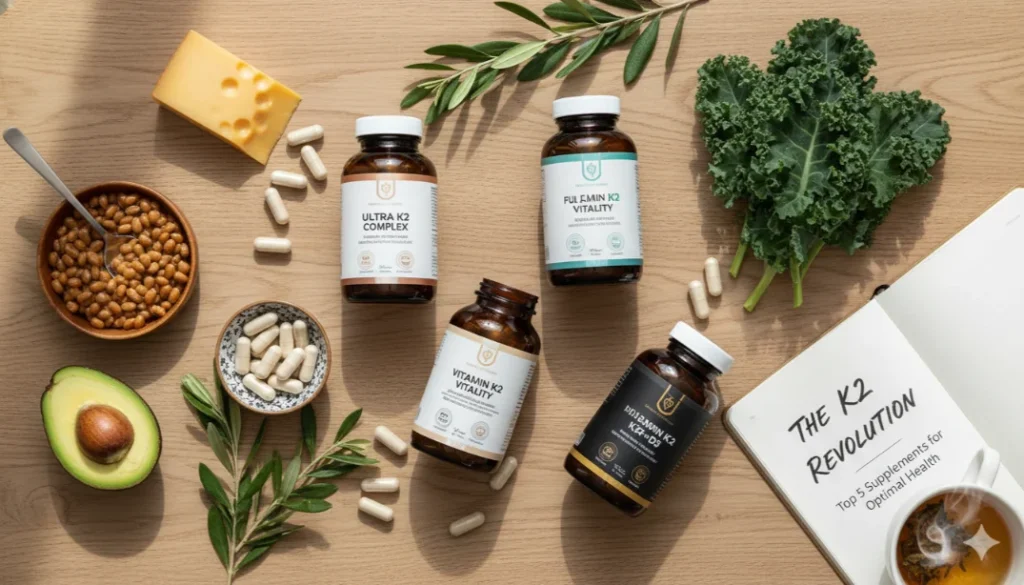
Vitamin D3 acts as a pre-hormone in the body, regulating immune system function, bone density, calcium absorption, and muscle performance. Deficiencies are common in northern latitudes, winter months, older adults, and individuals with darker skin tones. Supplementation is highly effective at correcting low levels, but it should ideally be guided by bloodwork. Standard daily doses of 1,000–2,000 IU are safe for most adults, but higher doses should be monitored to avoid hypercalcemia. For a deeper breakdown of D3’s bone-building partner, read the Vitamin K2 with D3 guide.
Vitamin D receptor (VDR) genes are present in nearly every cell in the human body. When active D3 binds to these receptors, it regulates the transcription of hundreds of genes that govern calcium transport, skeletal muscle contractility, and t-cell immune responses. Without adequate D3, your body cannot efficiently absorb calcium from your diet, leading to bone demineralization and weakened structural integrity.
For active individuals, vitamin D plays an essential role in preserving fast-twitch muscle fibers, which are the first to degrade during a deficiency. Correcting a deficit has been shown to directly improve muscular power and reduce systemic inflammation. Because it is fat-soluble, supplementing with vitamin D3 requires a lipid carrier for absorption. Taking it alongside a fat-containing meal or an omega-3 capsule increases its metabolic uptake significantly.
4. Omega-3 EPA/DHA: The Anti-Inflammatory Essential
Omega-3 fatty acids, specifically eicosapentaenoic acid (EPA) and docosahexaenoic acid (DHA), are crucial for heart, brain, and joint health. They work by incorporating into cell membranes and reducing the production of inflammatory molecules. Clinical trials support using high-quality fish oil or algae oil to reduce triglycerides, support blood pressure, and ease joint stiffness. If you do not eat low-mercury fatty fish (salmon, sardines, mackerel) 1–2 times per week, a daily omega-3 supplement can help fill the gap.
At a cellular level, EPA and DHA displace arachidonic acid in cell membranes. When cells are stressed, instead of producing pro-inflammatory eicosanoids, they produce anti-inflammatory resolvins and protectins. This biological switch helps down-regulate systemic low-grade inflammation, protecting blood vessels and cartilage from chronic wear and tear.
From a neurological perspective, DHA comprises a significant percentage of the lipids in the brain’s cerebral cortex and retina. Supplementation helps support membrane fluidity in neurons, facilitating rapid neurotransmitter communication and supporting cognitive performance under stress. Selecting a fish oil in its natural or re-esterified triglyceride form ensures high absorption rates, avoiding the lower bioavailability associated with cheap ethyl ester formats.
Electrolytes, Hydration, and Endurance Training
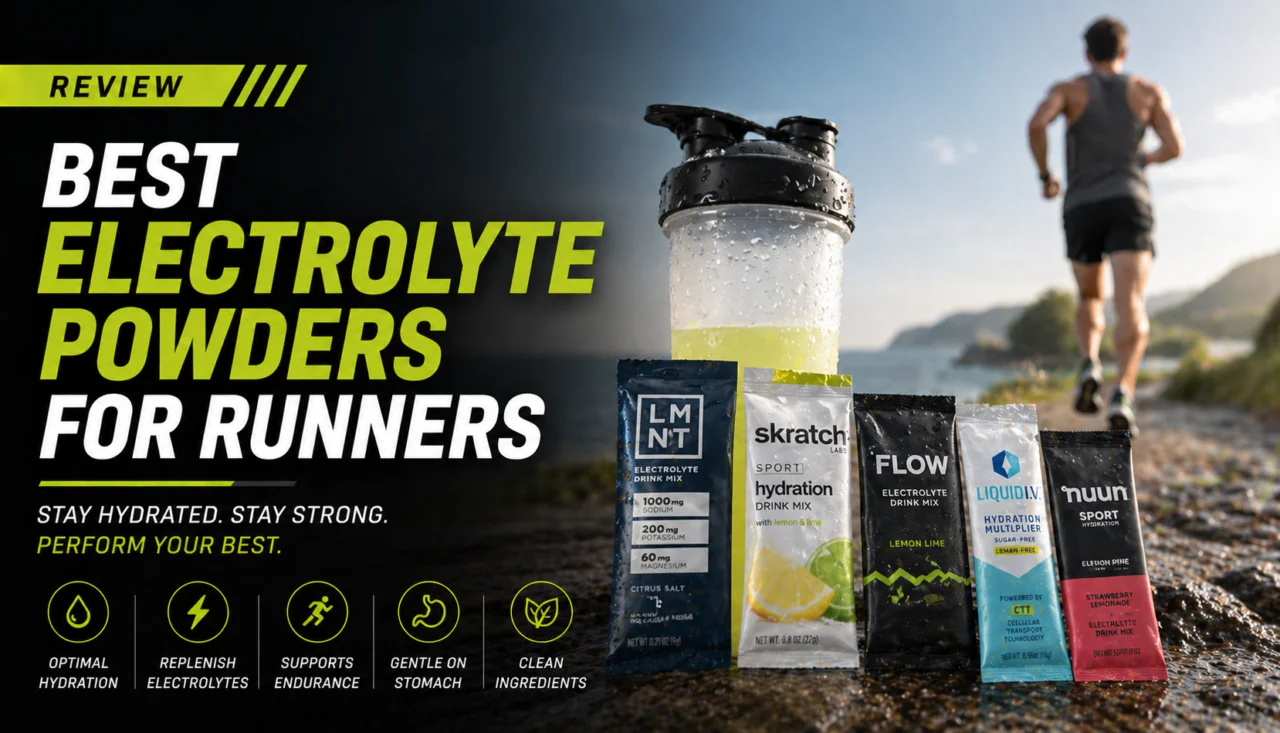
During intense exercise, your body primarily loses sodium through sweat. If you drink pure water during long endurance sessions, you run the risk of diluting your blood sodium levels, a dangerous condition known as hyponatremia. Supplementing with a targeted sodium-potassium-magnesium ratio during heavy output helps maintain blood volume, delay cramping, and preserve muscle contractility. If you run or train in hot conditions, read our guide on the best electrolyte powders for runners to design a targeted hydration plan.
Authority Video Guide: The Science of Supplements
Watch this evidence-based video guide on the science of dietary supplements, explaining what works, what is waste, and how to verify clinical dosages.
Step-by-Step Practical Instructions: How to Set Up Your Routine
Follow this scientific framework to build, test, and optimize a minimal, high-utility supplement stack customized to your body.
Step 1: Calculate Your Protein Target
Determine your daily protein goal based on your lean mass and training volume. Aim for 1.6–2.2g of protein per kilogram of body weight. Try to hit this target using whole foods first. If you fall short by 20–40g, use a clean whey isolate or pea/rice blend to fill the gap.
Step 2: Get a 25-Hydroxyvitamin D Blood Test
Before buying vitamin D, request a simple blood test from your physician. If your levels are below 30 ng/mL, supplement with 1,000–2,000 IU of D3 daily. Retest in 8–12 weeks to adjust your dose.
Step 3: Establish a Consistent Creatine Dosing Habit
Take 3–5g of plain creatine monohydrate daily. Mix it into water, tea, or your post-workout shake. Consistency is key; do not skip rest days, as muscle stores must remain saturated to provide performance benefits.
Step 4: Supplement Omega-3s Based on Fish Intake
If you eat fatty fish (salmon, sardines) twice a week, skip omega-3 supplements. If not, take a third-party tested fish oil or algae oil that provides 1,000–2,000 mg of combined EPA and DHA daily. Take it with a meal containing healthy fats to maximize absorption.
Step 5: Verify Purity with a Third-Party Checklist
Before buying any supplement, check the label for independent testing certifications. Look for USP, NSF Certified for Sport, or Informed Choice seals to ensure the product matches the label and is free of contaminants.
Supplement Examples by Situation
Here is how the four essential supplements should be adjusted based on different athletic goals, dietary preferences, and lifestyles.
Situation A: The Strength-Training Lifter
Goal: Muscle hypertrophy, strength progression, and quick tissue recovery.
Protocol: Take 5g of micronized creatine monohydrate daily. Use 25–30g of whey protein isolate post-workout or in the morning to meet daily protein targets. Focus on progressive resistance training and hit your target calories.
Situation B: The High-Volume Endurance Runner
Goal: Aerobic recovery, muscle preservation, and hydration during high volume.
Protocol: Prioritize carbohydrates and electrolytes during runs longer than 90 minutes. Use whey isolate or plant protein post-run to speed up muscle repair. Creatine is optional; it can support hill power and intervals, but watch out for minor water weight gain during race season. Read more on the glycogen metabolism energy banking system.
Situation C: The Shift Worker with Low Sunlight
Goal: Immune health, hormone support, and bone strength.
Protocol: Get bloodwork to check vitamin D levels. Take 2,000 IU of D3 daily with a fat-containing breakfast. Re-test after 12 weeks. If fatty fish intake is low, add 1,000 mg of fish oil to support heart health and lower systemic inflammation.
Situation D: The Plant-Based (Vegan) Athlete
Goal: Meeting protein and creatine needs without animal products.
Protocol: Vegan diets contain zero dietary creatine and lower amounts of highly bioavailable protein. Take 5g of creatine monohydrate daily. Use a pea/rice protein powder blend to ensure a complete amino acid profile, and supplement with algae-derived DHA/EPA omega-3s.
Supplements to Avoid, Downgrade, or Treat as Situational
Many popular supplements are not backed by strong science, are overpriced, or carry unnecessary health risks. Here is what you should avoid or downgrade to save money and stay safe:
Fat Burners
Most rely on heavy caffeine, yohimbine, or thermogenic stimulants. They do not replace a calorie deficit, protein intake, and physical activity.
Cleanse & Detox Pills
Your liver, kidneys, lungs, and gut handle detoxification. “Cleanse” products often contain dangerous laxatives or diuretics.
Testosterone Boosters
Over-the-counter test boosters show poor clinical results. Sleep, body fat management, and strength training are far more effective.
Multivitamins
Only useful if your diet is highly restricted or if you have a diagnosed deficiency. They are not a replacement for high-quality food.
Magnesium
Useful for sleep and muscle recovery if your dietary intake is low, but high doses of magnesium carbonate or oxide can cause digestion issues.
Iron Supplements
Never take iron casually. Excess iron can be toxic. Always test your ferritin and hemoglobin levels first, especially for female runners.
Common Mistakes & Troubleshooting Section
- Taking Vitamin D without Fat: Vitamin D is a fat-soluble vitamin. If you take it on an empty stomach or with a fat-free meal, absorption drops by up to 50%. Always take D3 with healthy fats (avocado, nuts, eggs, or fish oil).
- Falling for the “Proprietary Blend” Trap: If a label lists a “performance blend” without stating the exact weight of each ingredient, skip it. Companies often hide cheap fillers in these blends to save money.
- Megadosing Zinc and Iron: High mineral doses can block the absorption of other nutrients. For example, excess zinc can cause copper deficiency, and high iron can cause oxidative tissue damage. Stick to standard daily values.
- Ignoring Banned-Substance Testing: If you compete in tested sports, using uncertified supplements carries a high risk of cross-contamination. Always choose products certified by NSF Certified for Sport or Informed Choice.
Best Supplements 2026 FAQ
What supplements should I take daily in 2026?
Most people do not need daily supplements. The most effective daily stack consists of protein powder (if you struggle to meet protein targets from food), creatine monohydrate (if you do strength or power training), vitamin D3 (if your bloodwork shows a deficiency), and omega-3 fish oil (if you rarely eat fatty fish).
What is the number one supplement for muscle growth?
The most important factor is hitting your daily protein target (1.6–2.2g per kg of body weight) and following a structured resistance training program. If those baselines are covered, creatine monohydrate is the most effective sports supplement to build strength, power, and muscle mass.
Do supplements help with weight loss?
No supplement directly causes fat loss. Some, like protein powder, can support weight loss by improving satiety, preserving lean muscle mass, and making a calorie deficit easier to maintain. Avoid fat burners, cleanses, and detox teas.
Is creatine safe for your kidneys?
Creatine monohydrate is safe for healthy adults when taken at standard doses (3–5g daily). However, individuals with pre-existing kidney disease, abnormal kidney markers, or those taking medications that affect kidney function should consult a physician before use.
Should I take vitamin D without a blood test?
It is best to get a 25-hydroxyvitamin D blood test first. While a daily dose of 1,000–2,000 IU is safe for most people, testing helps you determine if you actually need a supplement, what dose is appropriate, and whether your levels are improving.
What is the best time of day to take supplements?
Take fat-soluble vitamins (D3) and omega-3s with a meal containing healthy fats. Take creatine daily at the same time to maintain saturated muscle stores. Protein powder can be used whenever it is convenient to meet your daily target.
What is the negative side effect of rebounding on supplementation?
Rebounding or high-impact jumping exercises can cause temporary gastrointestinal distress if you consume large volumes of fluid or heavy supplements (like protein shakes or capsules) right before a session. Read our full report on the negative side effects of rebounding to manage exercise timing.
How does glycogen metabolism impact supplement timing?
Supplementing with protein and carbohydrates immediately post-workout can accelerate muscle glycogen resynthesis by exploiting heightened insulin sensitivity. Endurance athletes who require rapid turnaround times should read the glycogen metabolism guide to optimize their post-run nutrition.
References & References
Our editorial process prioritizes peer-reviewed clinical research, sports nutrition consensus statements, and independent laboratory testing over supplement marketing claims.
- FDA Consumer Update: Dietary Supplements Regulation and Efficacy
- National Institutes of Health (NIH): Vitamin D Fact Sheet for Health Professionals
- National Institutes of Health (NIH): Omega-3 Fatty Acids Fact Sheet for Health Professionals
- National Institutes of Health (NIH): Dietary Supplements for Exercise and Athletic Performance
- International Society of Sports Nutrition (ISSN) Position Stand: Protein and Exercise
- GearUpToFit Nutrition Hub
- GearUpToFit: Best Electrolyte Powders for Runners
- GearUpToFit: Vitamin K2 with D3 Guide
Review Date: July 9, 2026 | Reviewed by the Gear Up to Fit Editorial Team.
