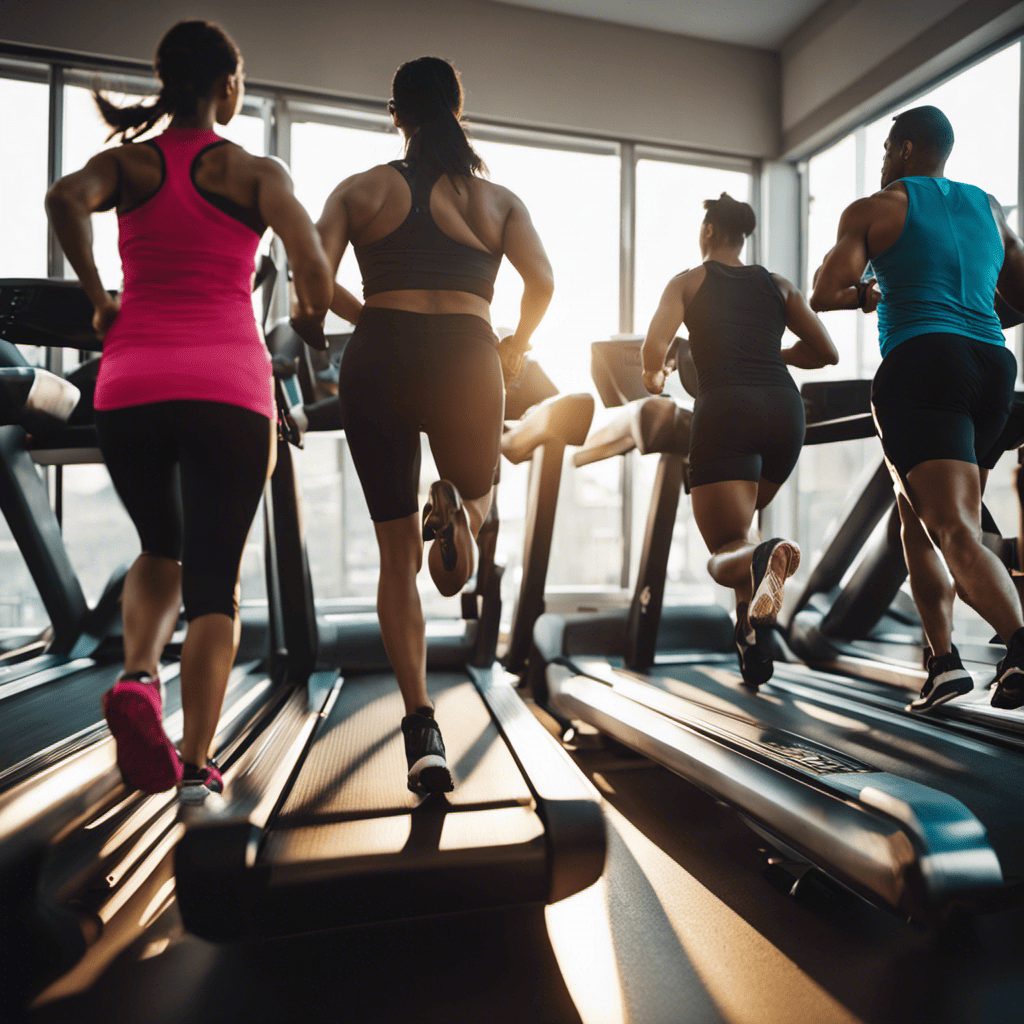
Ultimate 2026 Fitness Mindset: 10 Proven Ways to Get Back in Shape

Table of Contents

How do you get back in shape? You need the right fitness mindset. This means adopting a growth mindset, setting specific goals, and building consistent habits around exercise, nutrition, and recovery. This guide provides the 10 essential mental frameworks to make your comeback permanent.

🔑 Key Takeaways

  • Adopt Growth Mindset: Believe your abilities can improve with effort, unlike a fixed mindset.
  • Set SMART Goals: Define Specific, Measurable, Achievable, Relevant, and Time-bound objectives.
  • Prioritize Consistency: Three 30-minute workouts per week beat one 2-hour session you can’t sustain.
  • Embrace Process Over Perfection: Focus on daily habits, not just the end result.
  • Track Your Progress: Use apps like MyFitnessPal or a simple journal to measure improvements.
  • Fuel for Performance: View nutrition as energy for your workouts, not punishment.
  • Start Now: The single most important step is to begin, even with a 10-minute walk.

Getting back into shape is hard. It demands exercise, proper nutrition, quality sleep, and stress management. Doing one is tough; doing all consistently is the real challenge. We won’t tell you it’s easy. But with the right mental strategies, you can make the process manageable and build a sustainable healthy lifestyle.

Here Are Ten Essential Mindsets For Getting Back In Shape

1. Aim for a Growth Mindset, Not a Fixed One

Your core belief determines your success. Psychologist Carol Dweck’s research distinguishes two mindsets:

  • Fixed Mindset: “I can’t run.” “I’m just not athletic.” This mindset sees ability as static. It leads to avoiding challenges and giving up after setbacks.
  • Growth Mindset: “I can’t run a mile yet.” “I can build my endurance.” This mindset sees ability as developable through effort. Setbacks are feedback, not failure.

To get back in shape, you must cultivate a growth mindset. View every workout as a step toward improvement, not a test of innate talent.

2. Set Realistic, Specific Fitness Goals

Vague goals like “get fit” fail. You need a target. Use the SMART goal framework.

  • Bad Goal: “I want to lose weight.”
  • SMART Goal: “I will lose 10 pounds in 12 weeks by walking 10,000 steps daily and strength training three times per week.”
See also
Ultimate 2026 Guide: Advanced Workout Methods for Peak Performance

Specific goals create a clear roadmap. They turn an overwhelming journey into a series of achievable daily actions.

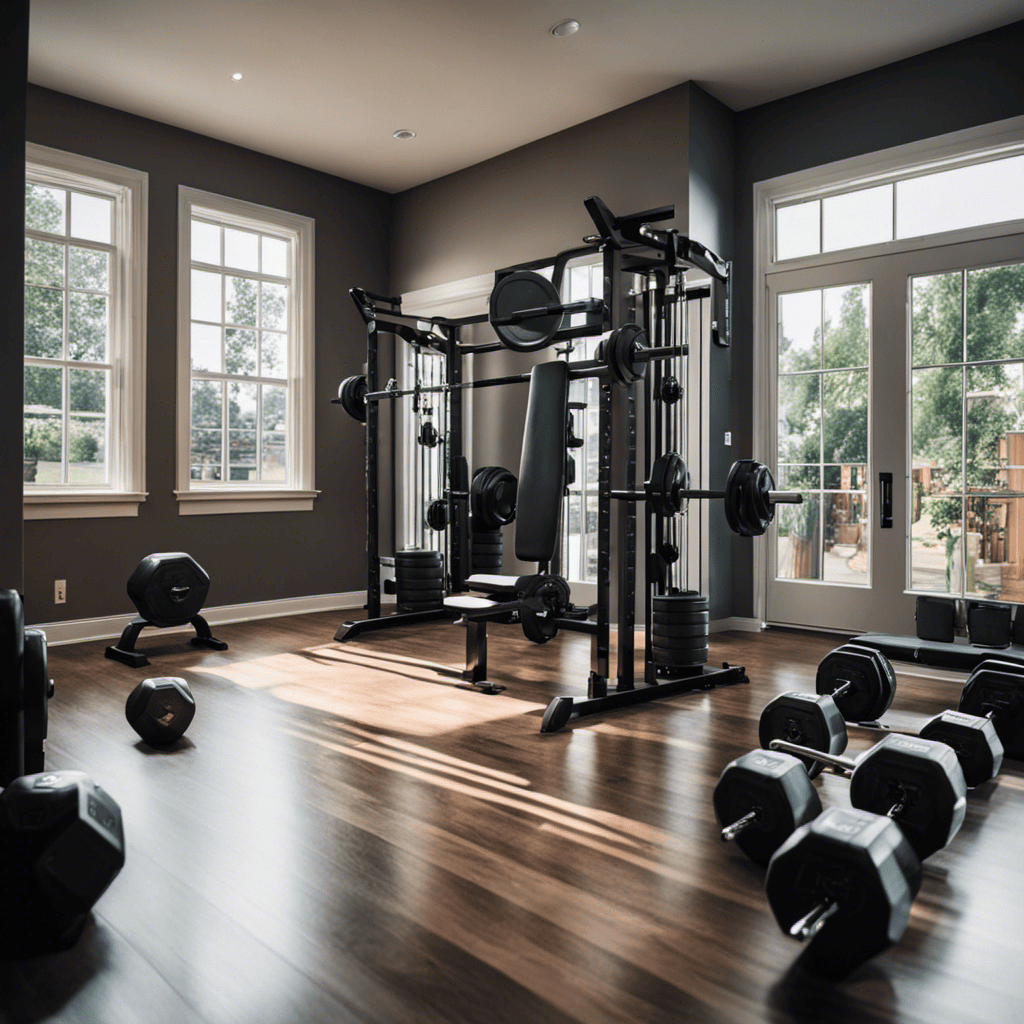
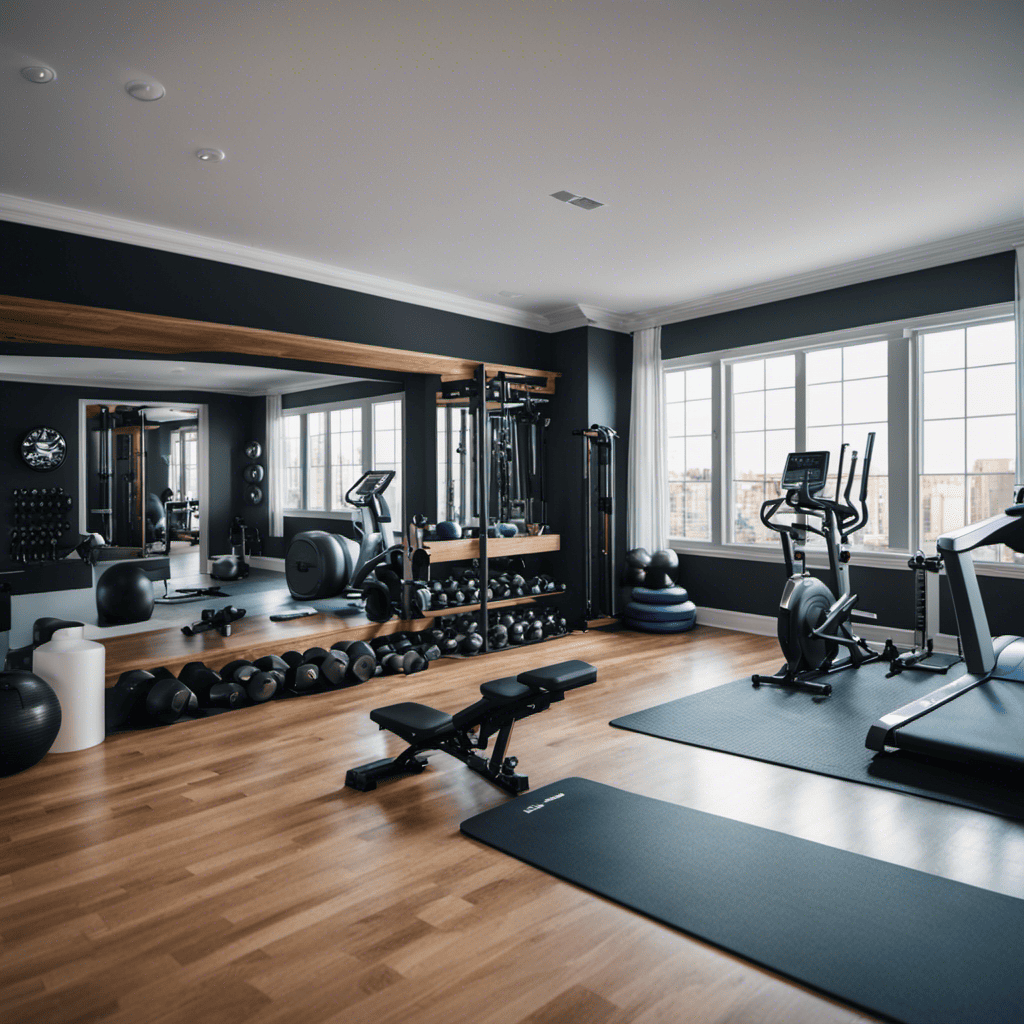
Goal setting, exercise, and healthy habits

3. Be Consistent, Not Perfect

Consistency is the engine of results. James Clear, author of Atomic Habits, emphasizes that small, repeated actions compound.

  • Don’t aim for a perfect 2-hour gym session you’ll never repeat.
  • Do commit to a 20-minute home workout you can do every other day.

Miss a day? Don’t quit. The 2026 American Council on Exercise (ACE) survey shows that the most successful exercisers focus on long-term adherence, not perfect streaks.

4. Don’t Give Up When It Gets Hard

You will hit plateaus. You will have days you don’t want to move. Mental resilience is key. Reframe the challenge: “This is hard because I’m pushing my limits, which is how I grow.” Develop a mantra or recall your “why” – more energy for your kids, better long-term health.

5. Stay Positive and Control Your Self-Talk

Your internal dialogue shapes your reality. Replace “I have to go to the gym” with “I get to strengthen my body.” Celebrate small wins. Completed a workout? That’s a victory. Chose a healthy meal? Another win. This positive reinforcement builds momentum.

6. Eat to Fuel Your Body, Not Just to Diet

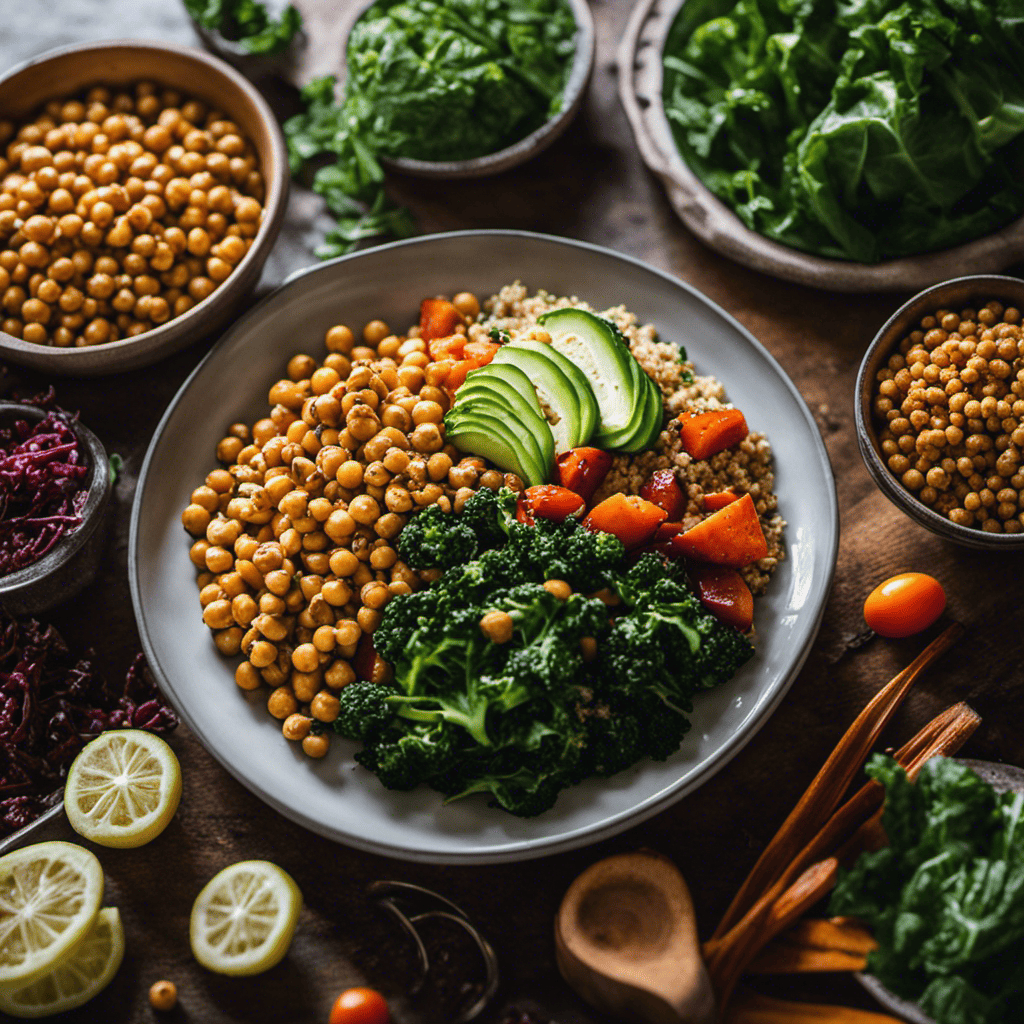
Shift from a restrictive diet mindset to a nutrition for performance mindset. Food is energy. Prioritize whole foods—lean proteins, complex carbs, healthy fats—to power your workouts and recovery. Tools like MacroFactor or RP Diet app can help tailor intake to your goals.

The Mediterranean Diet is Your Healthy Weight Loss Companion - The Best Diet Plan

7. Hydrate Strategically

Water is essential for metabolism, joint lubrication, and temperature regulation. The old “8 glasses” rule is outdated. A 2026 guideline from the National Academies of Sciences recommends about 3.7 liters for men and 2.7 liters for women daily from all beverages and foods. Start your day with a glass of water and keep a bottle with you.

Drinking plenty of water can help keep your muscles and

8. Prioritize Sleep for Recovery

Sleep is when your body repairs muscle and regulates hormones like cortisol and ghrelin. Chronic sleep deprivation sabotages fat loss and increases injury risk. Aim for 7-9 hours. Create a ritual: power down screens an hour before bed, keep the room cool and dark.

See also
Ultimate 2026 Fitness Gear Guide: 7 Proven Ways to Boost Motivation

9. Find Movement You Enjoy

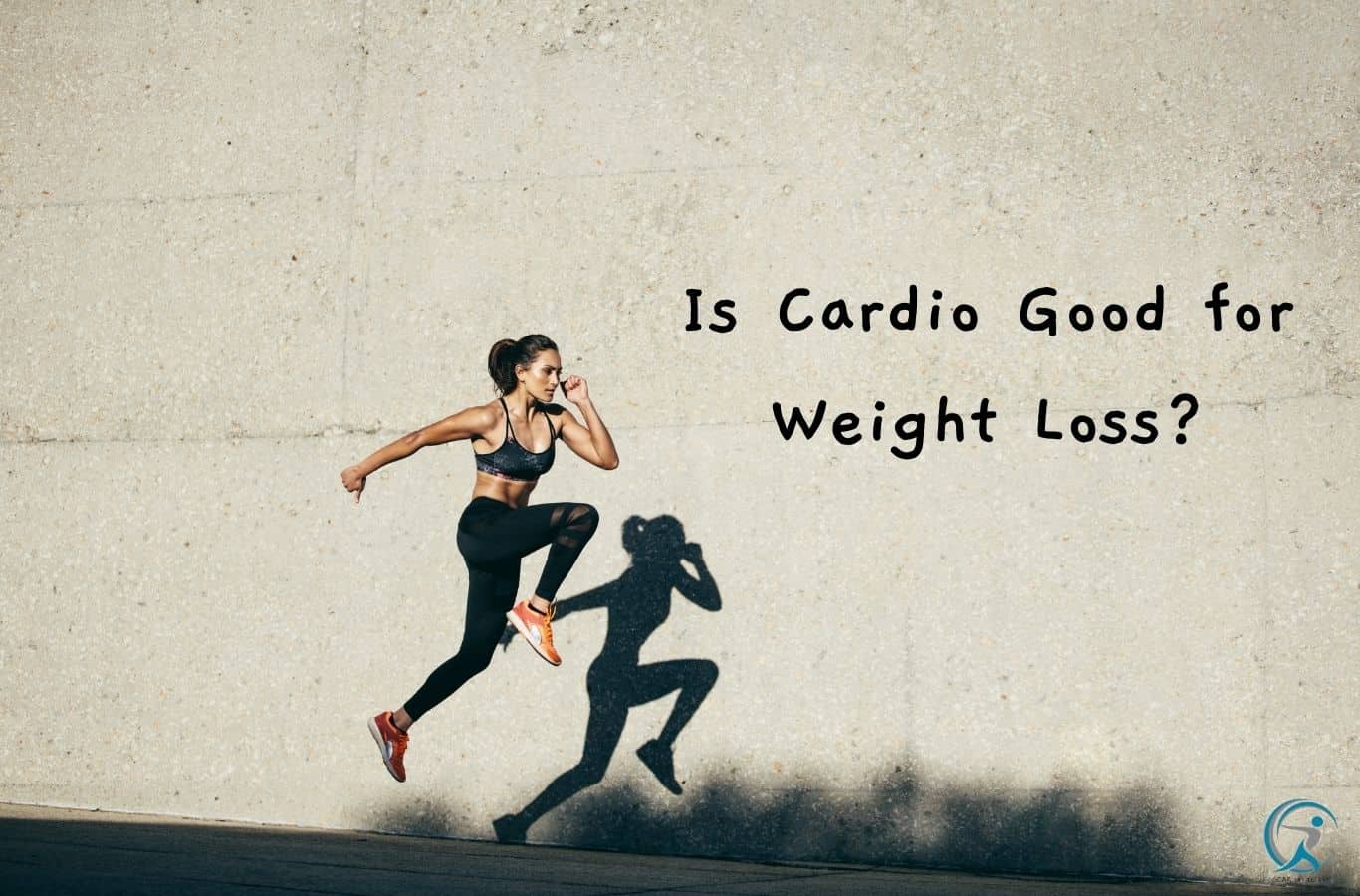
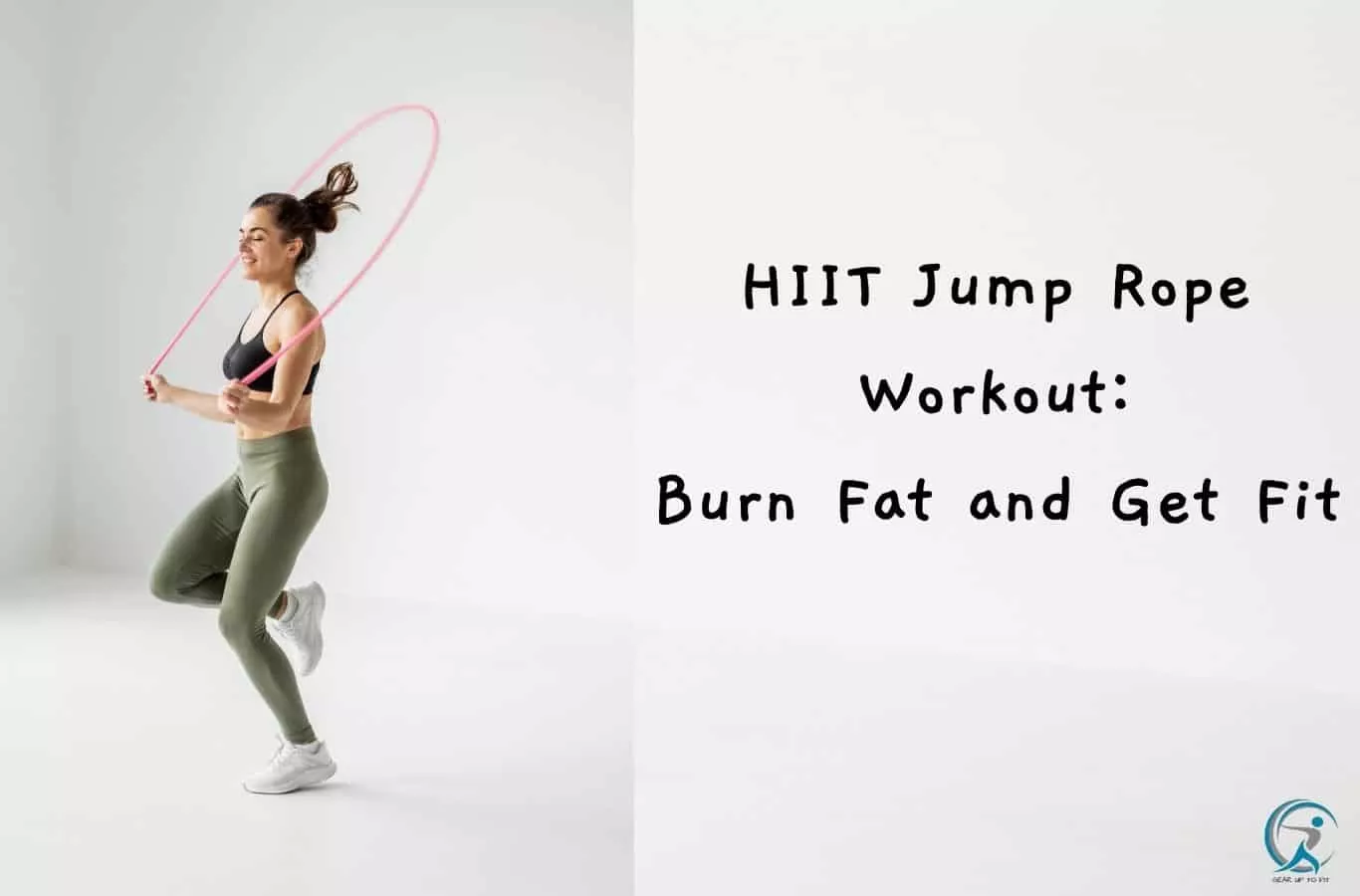
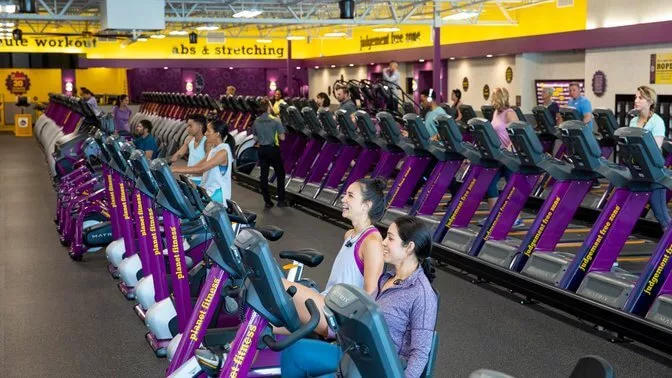
Exercise shouldn’t be punishment. If you hate running, don’t run. Try cycling, swimming, dance, rock climbing, or martial arts. The best workout is the one you’ll do consistently. Explore Hyrox training, F45 classes, or follow a Caroline Girvan program at home. Enjoyment guarantees adherence.

Cardio Exercise

10. Track Progress and Reward Milestones

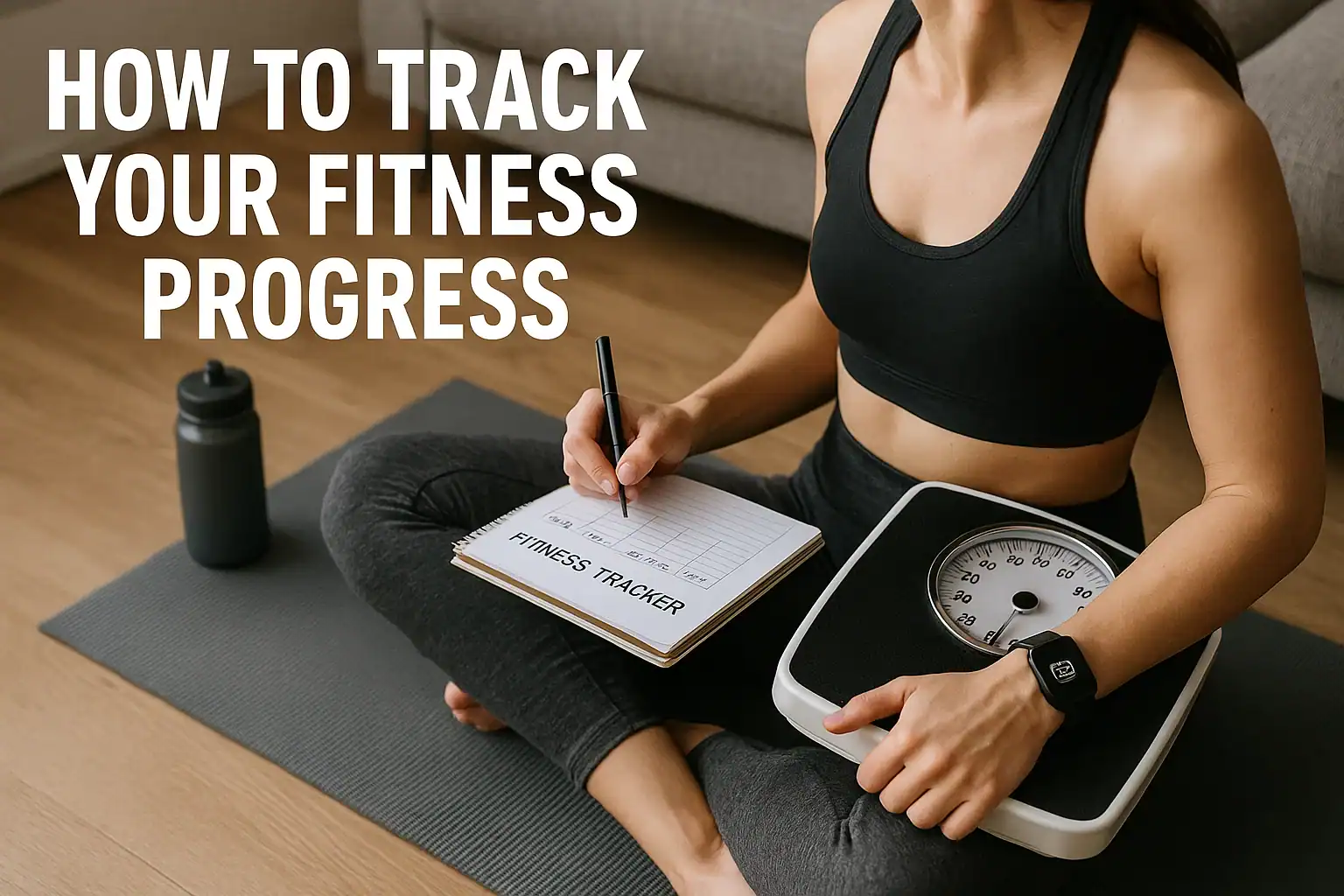
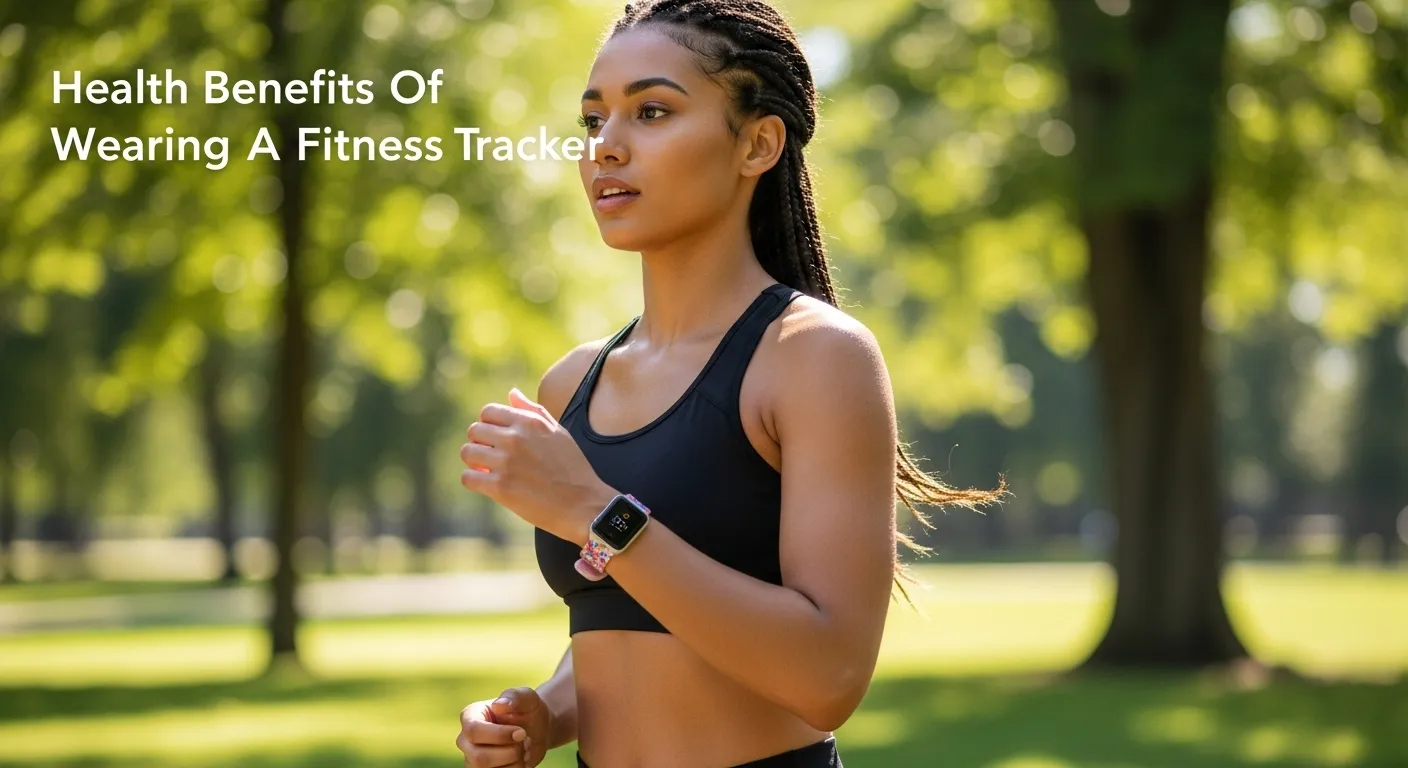
What gets measured gets managed. Track more than weight. Take progress photos, note strength gains (e.g., lifting heavier weights), improved endurance, or how your clothes fit. Use a Garmin watch or Whoop strap for data. Set non-food rewards for milestones—new workout gear, a massage, a rest day guilt-free.

Reward yourself - Be a winner - How to Motivate Yourself for Workout

❓ Frequently Asked Questions

What’s the most important mindset for starting a fitness journey?

The growth mindset is critical. Believing your fitness can improve through effort, not genetics, allows you to embrace challenges and learn from setbacks instead of quitting.

How do I stay motivated when I don’t see immediate results?

Focus on process goals (completing workouts) over outcome goals (weight loss). Track non-scale victories like better sleep, more energy, or improved mood. Consistency creates delayed but inevitable results.

I have no time to exercise. What should I do?

Break exercise into micro-sessions. Three 10-minute bouts of bodyweight exercises spread through the day are effective. Prioritize consistency over duration. A short workout is infinitely better than no workout.

How do I handle cravings and stay on track with nutrition?

Don’t label foods as “good” or “bad.” Practice mindful eating and aim for an 80/20 balance—nutritious foods 80% of the time, with flexibility for enjoyment. Ensure you’re eating enough protein and fiber to stay satiated.

What’s the single best first step I can take today?

Just get started. Put on your shoes and walk for 10 minutes. The act of starting breaks the inertia of inaction. Momentum builds from the first step, no matter how small.

Conclusion

Getting back in shape is a mental game first. The ten mindsets outlined—from cultivating a growth mentality to prioritizing consistency and strategic recovery—form the psychological foundation for lasting physical change. Your body achieves what your mind believes. Stop waiting for the perfect moment. Use the SMART framework to set your first goal today. Track your progress, reward your effort, and embrace the process. Your fitness journey starts not next Monday, but with your very next decision. Take that step.

See also
Ultimate 2026 CrossFit for Beginners: 12-Week Proven Plan

Just Get Started

These essential mindset tips are foundational. They are often ignored, leading to false starts and lost momentum. If these concepts resonate, the time for analysis is over. The time for action is now. Don’t wait for next week. Your future self will thank you for starting today.

References

  1. Dweck, C. S. (2006). Mindset: The New Psychology of Success. – NCBI Bookshelf
  2. Clear, J. (2018). Atomic Habits: An Easy & Proven Way to Build Good Habits & Break Bad Ones. – James Clear
  3. American Council on Exercise (ACE). (2026). Survey on Exercise Adherence. – ACE Fitness
  4. National Academies of Sciences, Engineering, and Medicine. (2024). Dietary Reference Intakes for Water and Potassium. – The National Academies
  5. Hirshkowitz, M., et al. (2015). National Sleep Foundation’s sleep time duration recommendations. – Sleep Foundation
  6. MyFitnessPal. (2026). Calorie Counter and Diet Tracker. – MyFitnessPal
  7. WHOOP. (2026). 24/7 Wearable Health & Fitness Coach. – WHOOP

Protocol Active: v20.0
REF: GUTF-Protocol-0ad529
Lead Data Scientist

Alexios Papaioannou

Mission: To strip away marketing hype through engineering-grade stress testing. Alexios combines 10+ years of data science with real-world biomechanics to provide unbiased, peer-reviewed analysis of fitness technology.

Verification Fact-Checked
Methodology Peer-Reviewed
Latest Data Audit December 6, 2025