Skip to content
Hypertension supplement safety guide
Quick answer: Some supplements may produce small blood-pressure changes in some people, but none should replace prescribed blood-pressure medication. The safest approach is to confirm your readings, review your medications and kidney function, and discuss any supplement with a clinician before starting.
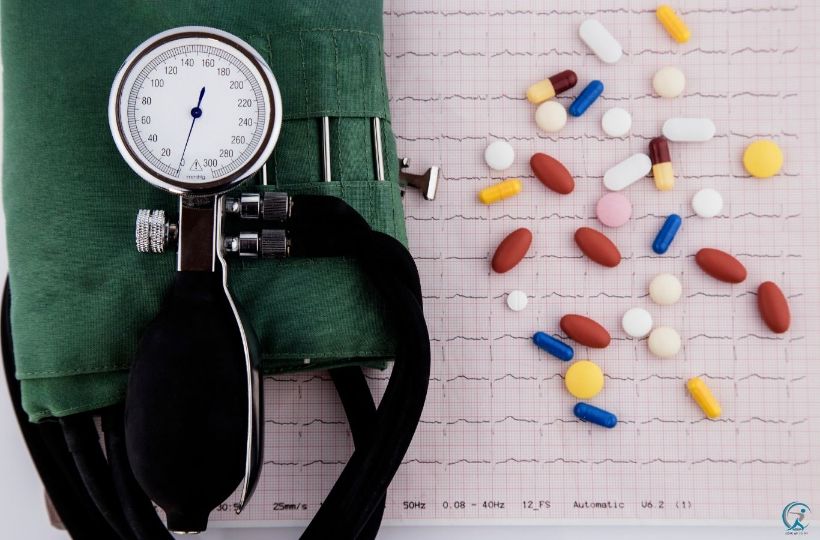
Bottom line first
Supplements are not first-line treatment for hypertension. They may be considered only as an add-on to proven basics: accurate home blood-pressure measurement, clinician follow-up, prescribed medication when indicated, a heart-healthy eating pattern, sodium reduction, potassium-rich foods when safe, physical activity, weight management, sleep, alcohol moderation, and smoking cessation.
Be especially cautious if you take blood-pressure medication, diuretics, blood thinners, diabetes medication, erectile-dysfunction medication, nitrates, lithium, kidney medications, or heart-rhythm drugs. Also be cautious if you are pregnant, breastfeeding, preparing for surgery, or have kidney disease.
When high blood pressure needs urgent care
If your blood pressure is higher than 180/120 mm Hg, sit quietly and recheck it after at least one minute. If it is still that high and you have chest pain, shortness of breath, back pain, numbness, weakness, vision changes, difficulty speaking, confusion, or other new concerning symptoms, call emergency services. Do not try to “fix” severe readings with a supplement.
Before trying any supplement for blood pressure
- Confirm your blood pressure with proper technique and repeated readings, ideally including home readings if your clinician recommends it.
- Do not stop or reduce prescribed blood-pressure medication unless your prescriber changes the plan.
- Bring your clinician a list of all prescriptions, OTC medicines, supplements, herbs, teas, energy drinks, and salt substitutes.
- Ask whether you need kidney function, potassium, sodium, magnesium, or other labs before using mineral supplements.
- Pick one change at a time so you can tell what helps and what causes side effects.
- Track readings, symptoms, doses, product brands, lot numbers, and start dates.
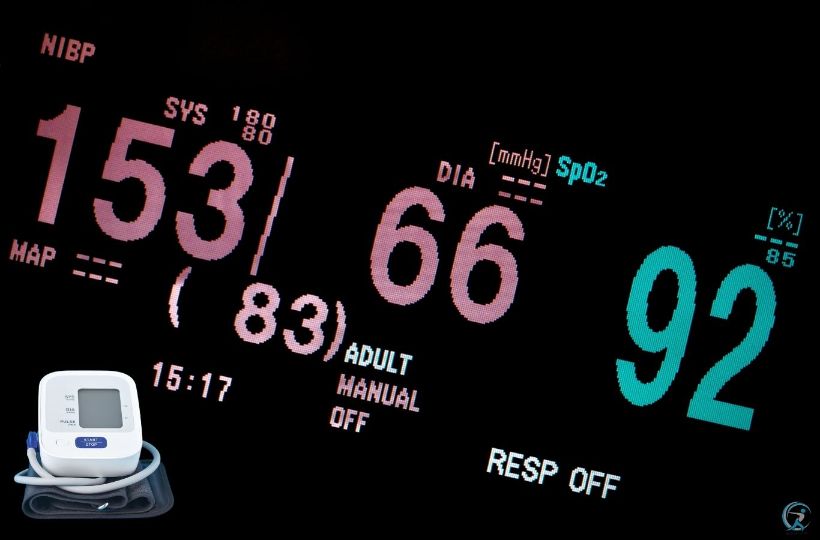
Evidence table: studied ingredients, likely effect size, and safety notes
The ranges below are studied ranges from research or guideline discussions, not personal dosage instructions. Your safe range may be lower, higher, or zero depending on your medical history and medications.
| Ingredient | Evidence snapshot | Studied ranges, not recommendations | Key cautions to discuss |
|---|---|---|---|
| Beetroot juice / dietary nitrate Most promising for modest SBP support | Meta-analyses suggest beetroot juice can modestly lower clinical systolic blood pressure in adults with hypertension, but evidence certainty varies and 24-hour BP effects are less consistent. | Studies have used about 70–250 mL beetroot juice daily for short periods; another review discussed roughly 200–800 mg nitrate from beetroot juice daily. | Ask first if you take BP-lowering drugs, nitrate drugs, PDE-5 inhibitors, have low BP, kidney-stone history, kidney disease, or must limit oxalates. |
| Garlic / aged garlic extract Mixed to modest evidence | Some randomized-trial reviews show modest BP reductions, especially with standardized garlic preparations, but products vary widely. | Trials vary by preparation and active compounds; many studies run about 8–12 weeks. Do not translate a study product into a random retail product. | Can cause GI upset and odor. Ask first if you use anticoagulants, antiplatelet drugs, HIV medicines, diabetes medicines, or have surgery scheduled. |
| Magnesium Small average effect | Research suggests magnesium supplementation may lower BP slightly on average, with larger effects in some subgroups, but NIH notes the effect is generally marginal. | Some analyses report stronger effects at 400 mg/day or more for at least 12 weeks, but the adult tolerable upper limit for supplemental magnesium is 350 mg/day unless supervised. | Kidney disease raises toxicity risk. Magnesium can cause diarrhea, low BP, irregular heartbeat at toxic levels, and interactions with antibiotics, bisphosphonates, diuretics, and PPIs. |
| Omega-3 fatty acids, EPA/DHA Modest BP effect | AHA-reviewed research suggests about 2–3 g/day combined EPA/DHA may modestly reduce BP, but this does not make OTC fish oil a replacement for medication or a proven heart-event prevention strategy for everyone. | Research reviews often discuss 2–3 g/day combined EPA/DHA, with products varying widely in actual EPA/DHA content. | Ask first if you take anticoagulants, antiplatelets, have atrial fibrillation risk, surgery planned, fish allergy, or are using prescription omega-3 products. |
| Potassium from food Food-first, if safe | Potassium-rich foods can help counter sodium’s effect and support blood pressure in many adults, especially within a DASH-style eating pattern. | AHA discusses about 3,500–5,000 mg/day potassium ideally from diet for many adults, but not for everyone. | Potassium supplements and salt substitutes can be dangerous with kidney disease, ACE inhibitors, ARBs, potassium-sparing diuretics, heart failure, adrenal problems, or some diabetes complications. |
| CoQ10 Conflicting evidence | Older Cochrane evidence found no clinically significant BP effect, while newer meta-analysis data suggest modest systolic reductions. Treat it as uncertain, not proven. | Trials vary; one newer subgroup analysis suggested lower doses under 200 mg/day and longer use may show more systolic BP effect. | Ask first if you take warfarin or other anticoagulants, BP medications, diabetes medicines, or are undergoing cancer treatment. |
| Hibiscus / roselle tea Possible modest effect | Small trials and NCCIH summaries suggest roselle/hibiscus may reduce BP modestly in some people, but evidence is not strong enough to replace standard care. | One clinical trial used three 240 mL servings/day of brewed hibiscus tea for six weeks in pre- and mildly hypertensive adults not taking BP drugs. | Ask first if pregnant, breastfeeding, on BP medication, diuretics, diabetes drugs, or liver/kidney medicines. |
| Calcium or vitamin D Not a BP shortcut | Important nutrients, but not reliable stand-alone BP-lowering supplements unless a deficiency or specific medical need exists. | Use lab-guided or clinician-guided intake, not BP marketing claims. | Too much can be harmful. Ask first if you have kidney stones, kidney disease, high calcium, sarcoidosis, or take thiazide diuretics. |
| Hawthorn and multi-herb blends High caution | Evidence is not strong enough for hypertension treatment, and multi-ingredient products make side effects and interactions harder to track. | No general recommended range for BP control. | Possible interactions with heart medications, BP medicines, sedatives, and surgery. Avoid proprietary blends that hide exact amounts. |
Affiliate shortlist, safety first
Evidence-Informed Blood Pressure Support Products to Discuss With Your Doctor
The products below are not ranked as “cures” or substitutes for treatment. They are practical, relevant options connected to categories discussed in the evidence table above. Use this section as a shopping checklist only after your clinician or pharmacist confirms that a product category is appropriate for your medications, kidney function, pregnancy status, and health history.
Affiliate disclosure: As an Amazon Associate, Gear Up to Fit may earn from qualifying purchases through the links below, at no extra cost to you.
Medical disclosure: Supplements should not replace prescribed blood-pressure medication. If your blood pressure is severely elevated or you have symptoms such as chest pain, shortness of breath, weakness, vision changes, or trouble speaking, seek urgent medical care.
Products are matched to categories with human research or practical monitoring relevance, not marketing hype.
Each box explains who may ask about it, who should be cautious, and why it belongs on the page.
These products are not presented as hypertension treatments, medication replacements, or guaranteed BP reducers.
A reliable upper-arm home blood-pressure monitor is often more useful than buying another supplement. Accurate tracking helps you and your clinician see whether lifestyle changes, medication, or any approved supplement plan is actually helping.
People who need consistent home readings to share with a clinician.
- Upper-arm format is generally preferred over wrist-only monitoring for many users.
- Useful for morning/evening tracking and medication follow-up conversations.
- Supports safer decision-making before spending money on supplements.
Home readings do not diagnose or rule out emergencies. If readings are very high or symptoms are present, seek medical care.
Beetroot is one of the more relevant supplement categories for blood-pressure discussions because dietary nitrate has been studied for vascular and nitric-oxide support. This product is a recognizable beetroot-powder option for readers who prefer a drink mix over capsules.
Beetroot or dietary nitrate support as an add-on to diet, exercise, and prescribed care.
- Powder format may be easier for people who dislike swallowing capsules.
- Better fit for readers specifically interested in beetroot rather than multi-ingredient blends.
- Easy to log as one defined product in a blood-pressure tracking journal.
You take blood-pressure drugs, nitrate drugs, erectile-dysfunction medication, have low blood pressure, kidney disease, kidney-stone history, or are pregnant/breastfeeding.
Magnesium has been studied for blood pressure, but average effects are usually modest and safety depends heavily on kidney function, dose, and medication interactions. Glycinate is a common form readers may ask their clinician about.
Whether magnesium status, diet quality, medications, or lab results suggest supplementation is appropriate.
- Single-mineral product, easier to evaluate than multi-mineral proprietary blends.
- 100 mg tablet format may make clinician-guided adjustments simpler.
- Relevant for readers who do not get enough magnesium-rich foods.
You have kidney disease, take diuretics, antibiotics, bisphosphonates, proton-pump inhibitors, heart medications, or already use other magnesium-containing products.
EPA and DHA omega-3s have been studied for cardiovascular markers, including modest blood-pressure effects in some research. This option is relevant for readers who rarely eat fatty fish and want a well-known EPA/DHA product to discuss with a clinician.
Whether EPA/DHA supplementation is appropriate based on diet, triglycerides, cardiovascular risk, and medication list.
- Clearly positioned as an omega-3 option, not a hypertension cure.
- Relevant for readers comparing fish intake versus supplementation.
- Easy to pair with a clinician discussion about EPA/DHA amount per serving.
You take blood thinners or antiplatelet drugs, have atrial fibrillation risk, are preparing for surgery, have fish allergy, or already use prescription omega-3 medication.
Garlic and aged garlic extract have been studied for cardiovascular markers, but research varies by formulation and product. This is a better fit than vague “heart health blends” because it is a focused aged-garlic product.
Whether aged garlic extract is reasonable for your medication list and bleeding risk.
- Focused aged-garlic product instead of a proprietary multi-herb blend.
- Useful comparison point for readers considering garlic supplements.
- Simple category to track for side effects and tolerance.
You take warfarin, aspirin, clopidogrel, other blood thinners, diabetes medications, HIV medications, or have surgery or dental procedures planned.
Hibiscus tea has been studied in small trials and is a relevant caffeine-free option for readers who prefer a food-like beverage rather than capsules. It should still be treated as biologically active, especially when combined with medication.
Whether hibiscus tea fits your diet, medication list, and blood-pressure plan.
- Caffeine-free format may suit readers avoiding stimulants.
- Tea format can support a calmer evening routine.
- More transparent than stimulant-heavy “BP detox” blends.
You are pregnant, trying to conceive, breastfeeding, taking BP drugs, diuretics, diabetes drugs, liver/kidney medications, or have low blood pressure.
CoQ10 evidence for blood pressure is mixed, so it belongs in a cautious “ask your clinician” box, not a top-ranked treatment claim. It may be relevant for readers already discussing statins, cardiovascular risk, or mitochondrial/energy support with a clinician.
Whether CoQ10 makes sense for your broader heart-health plan and medication list.
- 100 mg softgel format is straightforward to discuss with a clinician.
- Better positioned as optional support, not guaranteed BP reduction.
- Useful for readers comparing CoQ10 products by serving amount.
You take warfarin or other anticoagulants, blood-pressure medications, diabetes medications, chemotherapy, or have surgery planned.
Why potassium pills and “blood pressure detox” blends are not recommended here
This page should avoid promoting potassium supplements, potassium salt substitutes, stimulant-heavy fat burners, licorice root, and proprietary “blood pressure cleanse” blends. These can be risky for readers with kidney disease, heart failure, diabetes complications, abnormal potassium, pregnancy, or common medication combinations such as ACE inhibitors, ARBs, potassium-sparing diuretics, anticoagulants, and diuretics.
- Food-first potassium is safer for many people than potassium pills, but still requires caution for kidney or medication issues.
- Proprietary blends hide exact ingredient amounts and make interactions harder to evaluate.
- Stimulant products can worsen blood pressure or heart-rate concerns in susceptible people.
Medication interactions and “ask first” cautions
Blood pressure can fall too low or electrolytes can become unsafe when supplements are combined with the wrong medication or medical condition.
Supplements that lower BP may add to your medication effect and cause dizziness, fainting, or falls.
Diuretics can change potassium, sodium, magnesium, and kidney function. Do not add mineral supplements casually.
Garlic, fish oil, and some herbal products may increase bleeding risk in certain patients.
These can raise potassium in some people, especially with kidney disease or potassium salt substitutes.
Some supplements may affect glucose or appetite, complicating medication adjustment.
Tell your care team about supplements well ahead of procedures because bleeding and anesthesia issues can matter.
Kidney disease, pregnancy, and breastfeeding require extra caution
If you have kidney disease, heart failure, liver disease, adrenal disease, diabetes complications, or abnormal potassium levels, do not use potassium supplements, potassium salt substitutes, magnesium supplements, or multi-mineral BP formulas without clinician approval.
If you are pregnant, trying to conceive, or breastfeeding, do not use herbal BP products or high-dose supplements unless your obstetric clinician specifically approves them. Hypertension in pregnancy can become dangerous quickly and needs medical care.

If your clinician approves a supplement: safer buying checklist
This is the only appropriate place to discuss buying. Do not rank products by hype, star ratings, or affiliate commission. Rank them by safety, transparency, and whether the ingredient matches the clinician-approved plan.
- Choose single-ingredient products when possible so you know what you are testing.
- Look for credible third-party testing such as USP, NSF, NSF Certified for Sport, Informed Choice, or ConsumerLab.
- Avoid proprietary blends that hide exact ingredient amounts.
- Check the Supplement Facts panel for actual elemental mineral amount or actual EPA/DHA amount, not just capsule weight.
- Avoid products claiming to “cure hypertension,” replace medication, detox arteries, or deliver guaranteed BP drops.
- Save the product label, lot number, serving size, and start date in your blood-pressure log.
- Stop and call your clinician if you develop dizziness, fainting, irregular heartbeat, severe diarrhea, bleeding, rash, swelling, or worsening symptoms.
Affiliate policy for this page
If you monetize this article later, use only transparent, third-party-tested options after this safety section, clearly disclose affiliate relationships, avoid disease-treatment claims, and never imply that a supplement replaces prescribed medication.
What to avoid or downgrade
| Product or claim | Why it is risky | Better approach |
|---|---|---|
| “AI-dosed” BP formulas | Personalized marketing is not the same as validated clinical dosing, especially for hypertension. | Use clinician-guided plans based on readings, labs, conditions, and medications. |
| Stimulant fat burners | Caffeine-heavy, synephrine, yohimbine, or stimulant blends can raise heart rate or BP in susceptible people. | Prioritize DASH-style eating, sleep, exercise, and medication adherence. |
| Licorice root | Licorice can raise blood pressure and lower potassium in some people. | Avoid unless a clinician specifically approves it. |
| High-dose mineral stacks | Potassium, magnesium, calcium, and sodium balance can become unsafe, especially with kidney disease or diuretics. | Use lab-guided supplementation only. |
| Multi-herb “heart cleanse” blends | They often hide doses and create interaction uncertainty. | Choose transparent, single-ingredient, third-party-tested products only if approved. |
Related Gear Up to Fit resources for blood-pressure control
These internal resources build topical authority around lifestyle, measurement, nutrition, and cardiovascular fitness without relying on risky supplement promises.
Blood-pressure basics and sodium–potassium balance
Learn the lifestyle foundations before considering supplements.
DASH Diet guide for lowering blood pressure
Use a proven eating pattern built around fruits, vegetables, whole grains, and lower sodium.
DASH vs Mediterranean diet for heart health
Compare two evidence-informed eating patterns for long-term adherence.
Supplement buying safety checklist
Review third-party testing, label transparency, and who should avoid supplements.
VO2 max and cardiovascular fitness basics
Understand how aerobic fitness relates to heart and vascular health.
Fitness and health calculator hub
Use tools for BMI, calorie needs, and body-composition context without overclaiming.
Helpful video: dietary supplement adverse events
This FDA video explains why supplement side effects and adverse-event reporting matter. It is especially relevant if you take medication or have a medical condition.
FAQ: supplements and blood pressure
Can supplements replace my blood-pressure medication?
No. If your clinician prescribed medication, keep taking it unless that clinician changes your plan. Supplements may interact with medication and should be treated as add-ons only when medically appropriate.
Which supplement is best for lowering blood pressure?
There is no universal best supplement. Beetroot nitrate, garlic, magnesium, omega-3s, hibiscus, potassium from food, and CoQ10 have been studied, but effects are usually modest and safety depends on your medical history, medications, and labs.
Are potassium supplements safe for hypertension?
Potassium-rich foods can be useful for many adults, but potassium supplements and potassium salt substitutes can be dangerous for people with kidney disease or those taking ACE inhibitors, ARBs, potassium-sparing diuretics, and other medicines that affect potassium.
Is magnesium safe for blood pressure?
Magnesium may have a small average effect on blood pressure, but high supplemental doses can cause diarrhea and, in people with impaired kidney function, toxicity. Magnesium also interacts with some antibiotics, bisphosphonates, diuretics, and other medications.
Can beetroot juice lower blood pressure?
Beetroot juice may modestly lower systolic blood pressure in some adults, especially because of dietary nitrate. It should not replace medication, and it may not be appropriate for everyone, including people with low blood pressure, kidney-stone concerns, or certain medication combinations.
Should I buy a multi-ingredient blood-pressure supplement?
Usually, single-ingredient products are easier to evaluate and safer to track. Multi-ingredient blends can hide doses, increase interaction risk, and make it hard to identify the cause of side effects.
When should I call emergency services?
If your blood pressure is higher than 180/120 mm Hg and remains high after rechecking, call emergency services if you also have chest pain, shortness of breath, back pain, numbness, weakness, vision changes, difficulty speaking, confusion, or another new serious symptom.
Medical sources and further reading
- American Heart Association: When to call 911 about high blood pressure
- NCCIH: Hypertension and complementary health approaches
- FDA: Information for consumers on dietary supplements
- NIH Office of Dietary Supplements: Magnesium fact sheet
- NIH Office of Dietary Supplements: Potassium fact sheet
- American Heart Association: Potassium and blood pressure
- Systematic review: Beetroot juice and blood pressure in hypertension
- Systematic review/meta-analysis: Garlic as adjunctive hypertension support
- Cochrane: Coenzyme Q10 for high blood pressure
- American Heart Association: Omega-3 fatty acids and blood pressure research