Skip to content
 How do you eat well during pregnancy? You need a balanced diet rich in protein, iron, calcium, folate, and omega-3s from whole foods, plus a high-quality prenatal vitamin. This guide provides the exact 2026 nutritional strategies for a healthy pregnancy and baby.
🔑 Key Takeaways
- 71+ Grams: Daily protein intake is critical for fetal tissue and organ development.
- 8 Key Nutrients: Focus on iron, calcium, folate, DHA, vitamin D, iodine, zinc, and choline.
- 300 Calories: Only this small daily increase is needed, primarily in the 2nd and 3rd trimesters.
- Zero Tolerance: Completely avoid alcohol, raw seafood, and unpasteurized dairy.
- Prevention Power: Proper nutrition reduces risks of neural tube defects, anemia, and preterm birth.
- Postpartum Foundation: A healthy prenatal diet supports breastfeeding and maternal recovery.
Eating well during pregnancy provides the essential vitamins, minerals, protein, and fats needed for optimal fetal growth and maternal health. This guide covers the benefits, key nutrients, and how to build a healthy diet for pregnancy.
Why Prenatal Nutrition is Non-Negotiable
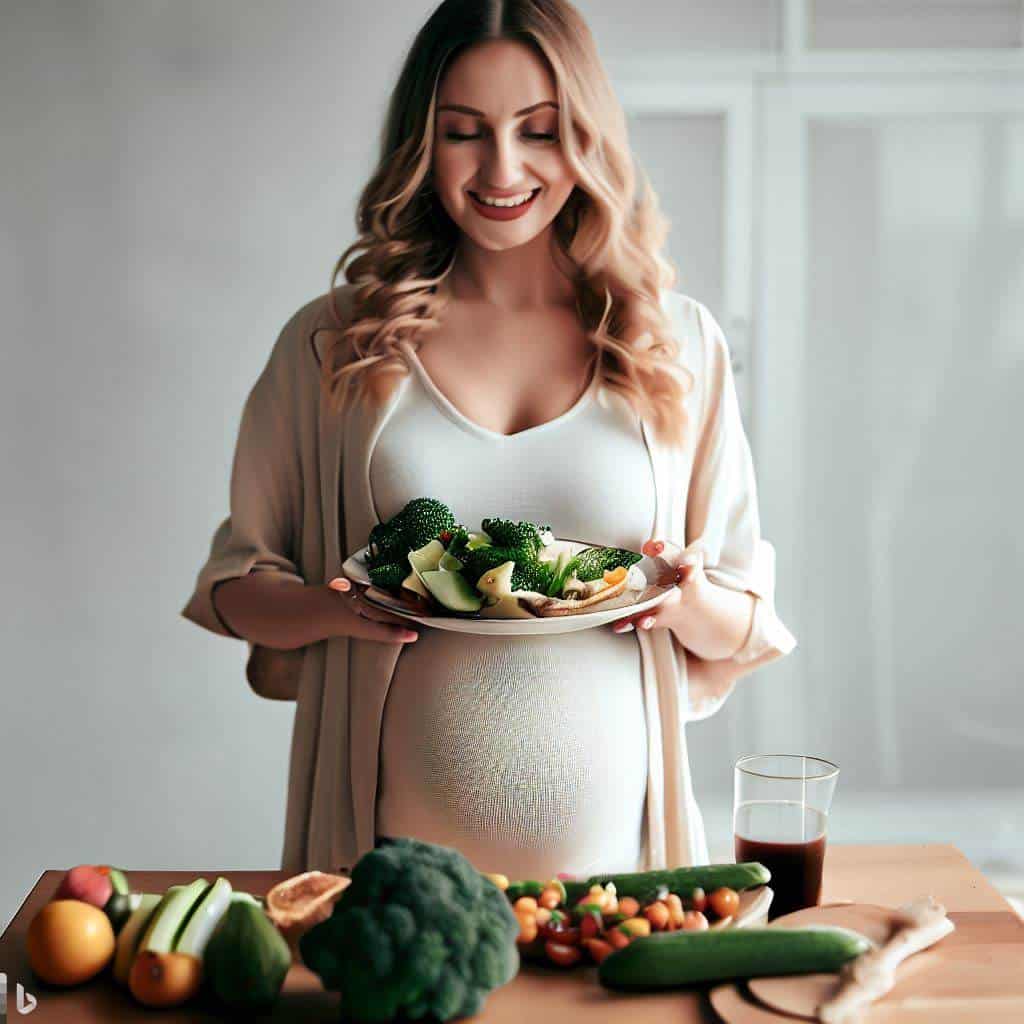
Pregnancy demands significant physiological changes. Proper nutrition supplies the fuel and building blocks for your baby and your body.
- Supports Baby’s Development: Nutrients like folic acid and DHA are essential for forming the brain, spinal cord, and eyes.
- Promotes a Healthy Pregnancy: Adequate iron and calcium help prevent anemia and support bone density, reducing complication risks.
- Prepares for Labor: Good nutrition builds the strength and endurance needed for delivery.
- Benefits Postpartum Health: A solid nutritional foundation aids postpartum recovery, milk supply, and mood regulation.
5 Core Benefits of Eating Well During Pregnancy
A healthy prenatal diet delivers direct, measurable benefits for you and your baby.
| Benefit | Nutrient | Source |
|---|---|---|
| Good fetal brain development | Folate | Leafy greens, beans, nuts, fortified cereals12 |
| Healthy birth weight | Protein | Lean meat, poultry, fish, eggs, beans, nuts123 |
| Reduced risk of birth defects | Iron | Red meat, poultry, fish, lentils, spinach, fortified cereals12 |
| Reduced pregnancy complications | Calcium | Dairy products, green leafy vegetables, tofu, almonds12 |
| Increased energy and improved sleep | Vitamin D | Oily fish, eggs, fortified cereals, sunlight12 |
This nutritional foundation also leads to faster postpartum recovery and prepares your body for breastfeeding. Prioritize whole foods and hydration. Consult your doctor or midwife for personalized advice.
Key Nutrients and Food Sources for 2026

Specific vitamins and minerals are crucial during pregnancy. Meeting these demands ensures your health and your baby’s development.
Protein
Protein builds fetal tissues, organs, and hormones. It also preserves maternal muscle mass.
- Recommended intake: 71+ grams per day.
- Food sources: Chicken, eggs, Greek yogurt, lentils, tofu.
Iron
Iron carries oxygen to your baby and boosts maternal blood volume to prevent anemia.
- Recommended intake: 27 mg per day.
- Food sources: Lean red meat, spinach, lentils, fortified cereals.
Calcium
Calcium is vital for building your baby’s bones and teeth while protecting maternal bone density.
- Recommended intake: 1000-1300 mg per day.
- Food sources: Milk, yogurt, kale, sardines, fortified plant milk.
Folate/Folic Acid
Folate prevents neural tube defects and supports brain and spinal cord development.
- Recommended intake: 600 mcg per day (from supplements and food).
- Food sources: Lentils, asparagus, avocado, fortified grains.
Vitamin D
Vitamin D regulates calcium absorption and supports immune function and cell growth.
- Recommended intake: 600 IU per day (often more via supplement).
- Food sources: Fatty fish, egg yolks, fortified milk and cereals.
Omega-3 Fatty Acids (DHA/EPA)
Omega-3s, especially DHA, are critical for fetal brain, eye, and nervous system development.
- Recommended intake: 1.4 g per day, with at least 200-300 mg as DHA.
- Food sources: Salmon, sardines, algae oil, walnuts, chia seeds.
Iodine
Iodine is essential for thyroid function and fetal neurological development.
- Recommended intake: 220 mcg per day.
- Food sources: Iodized salt, dairy, eggs, seafood.
Zinc
Zinc facilitates cell growth, immunity, and protein synthesis for your growing baby.
- Recommended intake: 11 mg per day.
- Food sources: Beef, pumpkin seeds, chickpeas, cashews.
Eating a varied diet of unprocessed foods provides many other vital nutrients. A prenatal vitamin fills key gaps.
Building Your 2026 Pregnancy Diet Plan
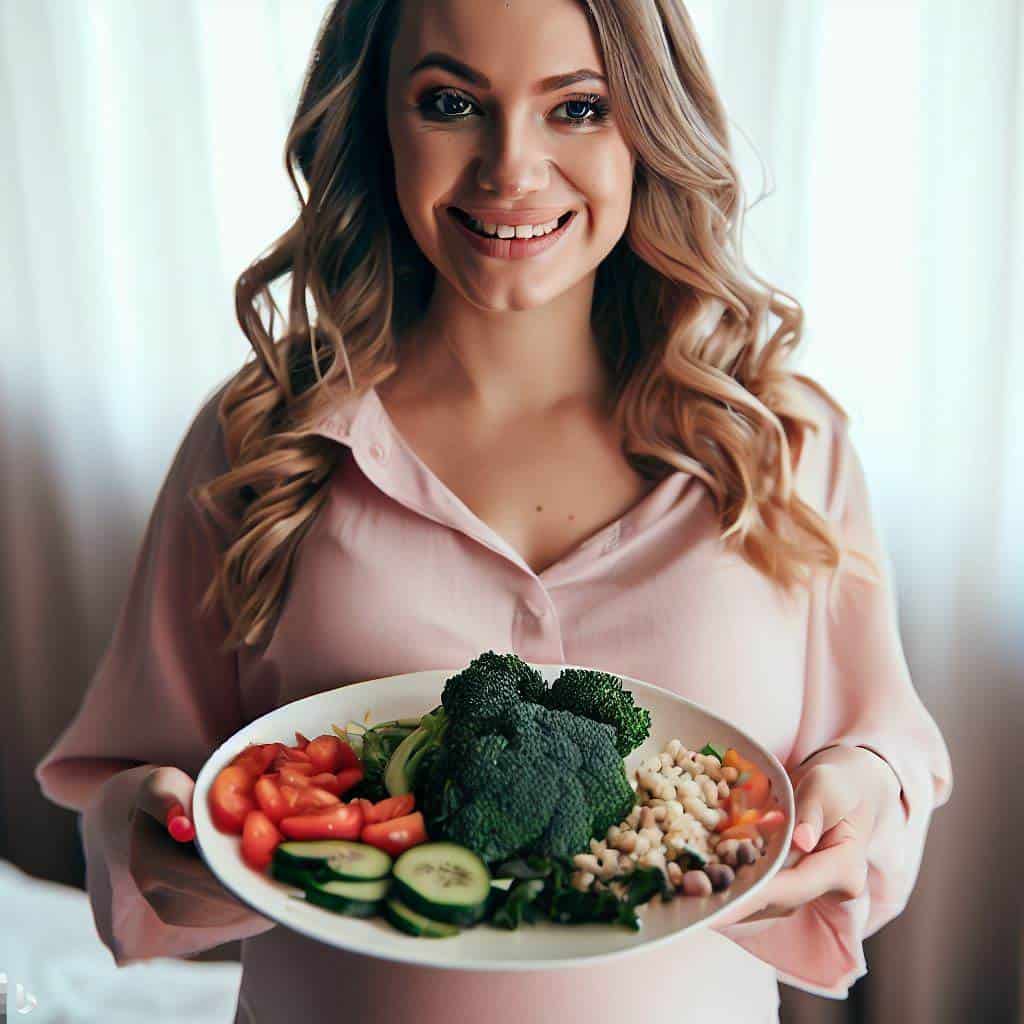
Focus on wholesome foods that provide a balance of macronutrients and essential micronutrients.
- Eat the Rainbow: Consume 2-3 servings of fruit and 3-5 servings of vegetables daily for fiber and antioxidants.
- Choose Lean Proteins: Aim for 3-4 daily servings from poultry, fish, eggs, beans, or lentils.
- Include Whole Grains: Get 3-4 servings of oats, quinoa, or brown rice for B vitamins and fiber.
- Prioritize Healthy Fats: Include 3-4 servings of avocado, nuts, seeds, and olive oil for baby’s brain development.
- Stay Hydrated: Drink at least 10 cups of water, milk, or herbal tea daily.
- Take a Prenatal Vitamin: Use it daily to supplement folic acid, iron, and DHA.
- Control Portions: You only need about 300 extra calories daily in the later trimesters.
This balanced approach meets increased caloric and nutritional demands.
Foods to Limit or Avoid During Pregnancy
Certain foods pose risks from pathogens or toxins. Restrict these to protect your baby.
- Raw/Undercooked Meats & Seafood: Risk of toxoplasmosis and salmonella. Cook thoroughly.
- Unwashed Produce & Sprouts: Can harbor Listeria and E. coli. Wash all produce.
- Processed Meats: Deli meats and hot dogs may contain Listeria. Reheat until steaming.
- Unpasteurized Dairy/Juice: Risk of bacterial infection. Choose pasteurized options.
- High-Mercury Fish: Avoid swordfish, king mackerel, and tilefish. Opt for low-mercury salmon or cod.
- Caffeine: Limit to 200 mg daily (about one 12-oz coffee).
- Alcohol: Avoid completely. No safe amount is established.
- Tobacco: Avoid smoking and secondhand smoke entirely.
Trimester-by-Trimester Nutrition Guide
Your nutritional focus shifts as your baby develops.
First Trimester (Weeks 1-12)
- Manage nausea with small, frequent meals and bland foods like crackers or toast.
- Stay hydrated with water, ginger tea, or broths.
- Start a prenatal vitamin with at least 400 mcg folic acid immediately.
- Focus on tolerable protein sources like nut butter, eggs, and yogurt.
Second Trimester (Weeks 13-26)
- Ramp up protein to ~75g daily to support rapid growth.
- Ensure 1000 mg of calcium daily for fetal bone development.
- Consume iron-rich foods to support increased blood volume.
- Incorporate DHA-rich foods like salmon or take a supplement.
Third Trimester (Weeks 27-40)
- Maintain high protein intake to prepare for breastfeeding.
- Increase calcium to 1300 mg daily.
- Choose complex carbs for sustained energy for labor.
- Stay hydrated with 10-12 cups of fluid daily.
Essential Aspects of Pregnancy Nutrition
Weight Gain Goals
- Normal BMI: 25-35 lbs
- Underweight: 28-40 lbs
- Overweight: 15-25 lbs
- Gain slowly: ~1 lb/week in the 2nd and 3rd trimesters.
Dietary Fat
Prioritize unsaturated fats (avocado, olive oil, nuts) for baby’s brain development. Limit saturated fats. Avoid trans fats.
Fiber Intake
Aim for 25-35 grams daily from fruits, vegetables, and whole grains to prevent constipation.
Vegetarian or Vegan Diets
Can be safe with careful planning. Focus on plant proteins (tofu, lentils), iron-rich foods, and supplements for B12, DHA, and vitamin D.
Food Safety
Avoid raw animal products. Reheat leftovers to 165°F. Prevent foodborne illness from Listeria and Toxoplasma.
Hydration
Drink 80-100 oz of fluids daily. Proper hydration prevents UTIs, constipation, and supports nutrient transport.
Overcoming Common Pregnancy Challenges
Nausea: Eat small, frequent meals. Try ginger, B6 supplements, and bland carbs.
Heartburn: Avoid spicy/fried foods. Eat smaller meals and stay upright after eating.
Constipation: Increase fiber and fluid intake. Consider a fiber supplement like psyllium husk.
Cravings: Satisfy in moderation. Opt for healthy substitutions like fruit for sugar.
Healthy Pregnancy Snacks
- Apple slices with almond butter
- Greek yogurt with berries
- Whole grain toast with avocado
- Carrot sticks with hummus
- A handful of mixed nuts and dried fruit
Sample One-Day Pregnancy Meal Plan
Breakfast: Oatmeal with milk, walnuts, and blueberries.
Snack: Greek yogurt.
Lunch: Quinoa bowl with chickpeas, roasted vegetables, and tahini.
Snack: Apple with peanut butter.
Dinner: Baked salmon, sweet potato, and steamed broccoli.
Dessert: Chia seed pudding.
Essential Pregnancy Supplements
- Prenatal Vitamin: Non-negotiable. Covers folic acid, iron, iodine.
- DHA/EPA: Critical for fetal brain development. Aim for 200-300 mg DHA daily.
- Vitamin D: Often needed beyond prenatal vitamin doses. Discuss with your doctor.
- Probiotics: May support gut health and immune function. Choose strains like Lactobacillus rhamnosus.
Always consult your healthcare provider before adding supplements.
Postpartum Nutrition
Nutrition remains crucial after birth.
- Increase calories and protein to support breastfeeding.
- Stay hydrated—drink a glass of water each time you nurse.
- Consider a postnatal vitamin, especially if breastfeeding.
- Continue DHA intake for mood and baby’s development.
- Focus on nutrient-dense whole foods to aid recovery.
❓ Frequently Asked Questions
What is the most important nutrient in early pregnancy?
Folic acid (folate) is critical. Taking 600 mcg daily before conception and early in pregnancy reduces the risk of neural tube defects like spina bifida by up to 70%.
How much extra food do I really need to eat?
You don’t need to “eat for two.” Calorie needs only increase by about 300-450 calories per day in the second and third trimesters. Focus on nutrient density, not quantity.
Can I follow a vegan diet safely during pregnancy?
Yes, with careful planning. You must supplement with Vitamin B12, DHA (from algae), Iron, and likely Vitamin D and Choline. Work with a registered dietitian specializing in prenatal nutrition.
Is it safe to drink coffee while pregnant?
Yes, in moderation. Current 2026 guidelines recommend limiting caffeine to under 200 mg per day, equivalent to one 12-ounce cup of brewed coffee.
When should I start taking a prenatal vitamin?
Ideally, start at least one month before trying to conceive. The neural tube forms in the first 28 days of pregnancy, often before you know you’re pregnant, making early folic acid intake vital.
Conclusion
Eating well during pregnancy is the single most powerful action you can take for your baby’s development and your own health. The strategy is clear: prioritize whole foods rich in protein, iron, calcium, folate, and DHA. Take a high-quality prenatal vitamin. Avoid alcohol, raw foods, and high-mercury fish.
Your next step is to schedule a conversation with your obstetrician or a registered dietitian. Review your current diet, confirm your prenatal vitamin is sufficient, and create a personalized plan based on your health profile. Start today—the first trimester is especially critical for foundational development.
This investment in prenatal nutrition pays lifelong dividends for your child’s health and establishes healthy family habits for the future.
References
- Nutrition During Pregnancy – American College of Obstetricians and Gynecologists
- Nutrition During Pregnancy – Centers for Disease Control and Prevention
- Healthy Weight During Pregnancy – Academy of Nutrition and Dietetics
- Dietary Reference Intakes for Pregnancy – National Institutes of Health
- Healthy Diet – World Health Organization
Pregnancy Nutrition & Wellness FAQ
How many extra calories do I need during pregnancy?
Most women only need about 340 extra calories per day in the second trimester and about 450 calories in the third trimester. Quality of calories is more important than quantity.
Can I stay active while focusing on my nutrition?
Yes, maintaining a healthy metabolism through diet and light exercise is beneficial. A balanced nutrition strategy supports both fetal growth and maternal energy levels.
Pregnancy Nutrition FAQ
How much protein do I need while pregnant?
You should aim for at least 71 grams of protein daily to support fetal tissue development. For more on high-protein diets, see our protein intake guide.
Can I maintain a vegan diet during pregnancy?
Yes, a vegan diet can be safe during pregnancy with careful planning for B12, iron, and DHA. Learn more about vegan nutrition for fitness.
Optimizing Your Nutrition & Lifestyle
Maintaining a healthy pregnancy often involves adjusting your overall wellness routine. Just as you prioritize protein intake for fetal tissue growth, you may also need to adapt your activity levels. If you are an active mother, understanding your resting metabolic rate (RMR) can help you better manage the 300-calorie increase required in later trimesters. For those looking to stay mobile, a gentle core stability routine can help manage back pressure as your body changes.
Frequently Asked Questions
How many extra calories do I need during pregnancy?
Most women only need about 300 additional calories per day, primarily during the second and third trimesters, to support healthy fetal development.
Is a vegan diet safe during pregnancy?
Yes, a vegan diet can be safe if carefully planned to include adequate B12, iron, and DHA through fortified foods or supplements.
Optimizing Post-Pregnancy Health
Once you have established a strong nutritional foundation during pregnancy, maintaining an active lifestyle becomes the next priority for long-term health. Many new mothers find that understanding their Resting Metabolic Rate (RMR) helps in tailoring a postpartum recovery plan. As you transition back into fitness, focusing on core stability is essential; a beginner core routine can safely rebuild strength before returning to more intense activities like running.
Frequently Asked Questions About Pregnancy Nutrition
Is a vegan diet safe during pregnancy?
Yes, a vegan diet can be healthy during pregnancy with careful planning to ensure adequate intake of B12, iron, and DHA. For more on plant-based performance, see our vegan diet for fitness guide.
How much protein do I need while pregnant?
Most experts recommend at least 71 grams of protein daily to support fetal tissue growth. Learn more about the science of repair in our protein intake guide.