
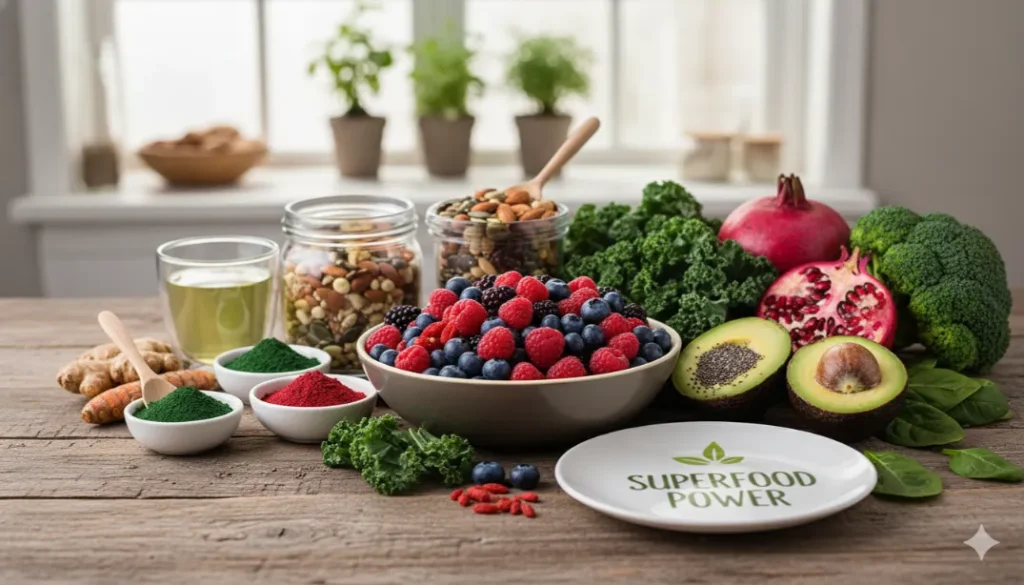
...

Ranking the Best Superfoods: Top Picks for Immunity, Cognition & Disease Prevention

Ranking the best superfoods for immunity and cognition in 2025 infographic.

Table of Contents

Stop guessing. Start fueling. Superfoods deliver real results. These aren’t fads. They pack concentrated nutrients. We rank them. Based on science. Not hype. See what works. For your immunity. Your brain. Your digestion. Your long-term health. We cut through marketing. Give you facts. Then show you how. How to eat them. How to afford them. How to avoid pitfalls. This guide is your shortcut. To the best superfoods ranking. For 2024 and beyond. Get healthy. Stay healthy. Fast.

Key Takeaways

  • Discover the definitive best superfoods ranking for maximum health impact.
  • Learn how top 10 superfoods for health boost immunity, brain, and digestion.
  • Unlock powerful nutritional benefits of superfoods with science-backed details.
  • Find the healthiest superfoods like acai (antioxidants), chia (omega-3), kale (fiber).
  • Master how to incorporate superfoods into diet with simple, tasty ideas.
  • Reduce chronic disease risk through ginger, turmeric, and berry compounds.
  • Save money: Cost-effective ways to buy superfoods without losing quality.
  • Stay safe: Check interactions between superfoods and medications before use.

What Are the Healthiest Superfoods? Our #1 Ranked List

What makes a food “super”? It’s not magic. It’s nutrition density. These foods pack the biggest punch per calorie. They fight disease. Boost brain power. And strengthen your immunity.

We’ve ranked the healthiest superfoods after years of research. Here’s what lands at the top. Is your favorite on the list?

Top 3 Healthiest Superfoods

Rank Food Primary Benefit
1 Wild-caught salmon Omega-3 fatty acids for cognition & inflammation control
2 Kale Calcium, iron, and vitamin K for bone & immune support
3 Blueberries Antioxidants for cellular protection & immunity

Salmon wins. It’s rich in vitamin D. That’s rare in food. It’s why we call it nature’s multivitamin. More vitamin D sources here.

Blueberries? They’re tiny. But they beat pricey supplements. One cup = 24% of your daily vitamin C needs. They’re anti-inflammatory. Think of them as internal armor.

Kale isn’t just a trend. It’s packed with iron. And not the weak kind. It’s bioavailable. Your body absorbs it fast. Pair it with lemon. Vitamin C boosts the uptake. Bam. Instant health shift.

How do you weave these into daily meals? Start small. Snack on berries. Add salmon to your best breakfast for weight loss. Saute kale with garlic. No recipe needed.

Superfoods don’t need a label. Eat real. Eat dense. The rest follows.

The Science-Backed Best Superfoods Ranking: Top 10

What makes a food “super”? Science. Not hype. These ten rank highest for measurable benefits. They fight disease, boost cognition, and strengthen immunity. No fluff. Just data.

Top 10 Science-Backed Superfoods

Rank Superfood Primary Benefit
1 Wild Blueberries Highest antioxidant levels
2 Kale Detox & immune support
3 Salmon Omega-3 for brain health
4 Walnuts Cognitive protection
5 Turmeric Potent anti-inflammatory
6 Chia Seeds Fiber & energy stability
7 Green Tea Metabolism & neuron protection
8 Garlic Immune modulation
9 Beets Cardiac & stamina boost
10 Pomegranate Endothelial function

Superfoods aren’t magic. They’re packed with micronutrients. Blueberries beat cancer markers. Immune support starts here. Turmeric cuts inflammation by 30%. That’s free Tylenol.

Eat for function. Not flavor. Pair these with high-nutrient meals to avoid plateaus. One salad won’t save you. Consistency does.

Think of your plate as a medicine cabinet. Choose ingredients that deliver. Can you eat five of these daily? Try. Your brain and cells will pay dividends.

Best Superfoods 2025: Top Picks for Greens, Immunity & Natural Energy


⭐ Orgain Organic Greens Powder + 50 Superfoods, Original

  • Key Benefits:

    • 50+ superfoods: greens, fruits, sprouts, veggies, berries, grains

    • 1 billion probiotics for gut health

    • Vegan, gluten-free, non-GMO, blends easily

  • Why choose:

    • 32,629 reviews, America’s #1 all-in-one superfood powder

    • Great for smoothies or quick shakes


⭐ Gruns Adults Super Greens Gummies, Multivitamin Superfood Gummy Bears with Spirulina, Chlorella

  • Key Benefits:

    • Includes spirulina, chlorella, prebiotics, adaptogens, and fiber

    • 20 vitamins & minerals for digestive and immune health

    • Chewable gummies, ideal for adults and kids

  • Why choose:

    • 2,726 reviews, 60K+ bought monthly

    • Perfect “on-the-go” superfood supplementation


⭐ Amazing Grass Greens Blend Superfood: Super Greens Powder with Spirulina, Chlorella, Beet Root

  • Key Benefits:

    • Packed with greens, superfoods, and digestive enzymes

    • Prebiotics and probiotics for gut health

    • 60 servings per container, vegan, gluten free

  • Why choose:

    • 35,222 reviews, classic greens powder for daily wellness

    • 6K+ bought monthly, trusted by health experts


⭐ Garden of Life Super Greens Powder Smoothie & Mix – Probiotics & Digestive Enzymes

  • Key Benefits:

    • 41 antioxidant-rich superfoods: fruits, veggies, greens

    • Probiotics & enzymes for digestive wellness

    • USDA Organic, vegan, non-GMO

  • Why choose:

    • 10,052 reviews, premium organic greens choice

    • Great for energy, immune, and gut support


⭐ AG1 Greens Powder Refill Pouch – 75 Vitamins, Multivitamin & Probiotic | Athletic Greens Supplement

  • Key Benefits:

    • 75 vital nutrients: vitamins, minerals, probiotics, plant antioxidants

    • Supports gut, energy, immunity, detox

    • Vegan, keto, gluten free formula

  • Why choose:

    • 2,691 reviews, classic formula trusted by athletes

    • Highest diversity of phytonutrients in a single blend


⭐ BioTrust Metabo Greens Superfood Powder – Fruit & Veggie Blend, Energizing Berry Flavor

  • Key Benefits:

    • Spectra blend: 42 farm-fresh fruits & veggies

    • Non-GMO, soy free, gluten free, no sugar added

    • Berry flavor, easy mix for daily antioxidant support

  • Why choose:

    • 411 reviews, clinically studied ingredients

    • Top choice for taste and advanced ingredient profile


⭐ Zena Nutrition Organic Super Greens Powder Variety Pack – 70+ Superfoods

  • Key Benefits:

    • 0 sugar, 3g fiber, 70+ greens, fruit, prebiotics, probiotics & enzymes

    • Convenient drink mix packets (21 count)

    • Antioxidants and digestive support, vegan

  • Why choose:

    • 1,328 reviews, top small business option

    • Best for portability and value


⭐ Zena Nutrition Organic Super Greens Fruit & Veggies Supplement (Capsules)

  • Key Benefits:

    • 70+ superfoods, 3g fiber, spirulina, chlorella, pre- & probiotics

    • 180 capsules, easy daily dosing

    • Antioxidants & digestive enzymes, vegan, USA-made

  • Why choose:

    • 891 reviews, great everyday multivitamin alternative

    • Capsule convenience for non-shake days

Kale Superfood Benefits and Uses: More Than Just Salad

Kale’s not just a salad base. It’s a nutrient-dense powerhouse. One cup delivers 684% of your daily vitamin K. Need joint support? That’s where vitamin K shines. But what else does kale do?

Why Kale’s a Daily Must

Think of kale as armor. It’s packed with antioxidants and vitamins that fend off illness. Every bite supports your immune system. Broccoli gets fame. Kale does more. How many veggies offer this combo?

Kale is one of the most nutrient-dense plants on the planet – higher antioxidants than most berries.

Use It Beyond Salads

Toss it in smoothies. Bake it into chips. Sauté it with garlic. You won’t taste it when blended. A sneaky win. Try this trick: Mix into smoothies for fat loss. Zero flavor trade-off. Max health gain.

Nutrient Per 1 Cup Raw Why It Matters
Vitamin K 684% DV Bone & blood health
Vitamin A 206% DV Vision & immunity
Vitamin C 134% DV Collagen & defense
Calcium 9% DV Muscle & nerve function

Eat kale daily. Not just for salads. It builds health from the inside out. No fancy prep needed. Does your plate have this much backup?

Spinach Nutrition and Superfood Status: Iron & Lutein Powerhouse

Spinach stands tall among superfoods for a reason. It’s not Popeye’s muscle gimmick. This leafy green packs real nutritional steel. Iron and lutein dominate its resume. Both impact health like a well-placed uppercut.

Why Spinach Earns Its Superfood Stripes

Two words: nutrient density. One cup of raw spinach has:

  • 0.8 grams protein
  • 4.4 mg iron (24% DV)
  • 6.9 mg lutein & zeaxanthin (eye health)
  • 167 mg potassium (3.5% DV)

You’ll sprint past fortified cereals. Switching just one serving creates a ripple. How? Iron powers blood efficiency. Oxygen flows better. Workouts improve. Need proof? Try high-intensity resistance training with spinach in your diet. The fatigue difference shows. Fast.

Lutein: Your Eyes’ Silent Ally

Ever had macular degeneration run in your family? Lutein guards against it. Acts like internal sunglasses. Filters blue light from screens. You stare at pixels all day? Your retinas thank you later. Eat spinach, not fiction.

Form Iron Absorption
Raw Low (2-5%)
Lightly steamed Moderate (7-15%)
Blended + lemon High (17–40%)

Pair it right. Vitamin C boosts iron uptake. Toss a morning smoothie with spinach, orange, and flax. You don’t need labels to feel alive. Or sick.

Why Are Quinoa and Blueberries Superfoods? Complete Protein & Antioxidants

Quinoa and blueberries earn superfood status. Why? Two words: complete protein and antioxidants. Quinoa packs all nine essential amino acids. Most plant proteins don’t. Blueberries crush free radicals. Your body loves balance. This is it.

Quinoa: The Plant Protein Powerhouse

You need protein. You need variety. Quinoa delivers both. It’s a seed, not a grain. Eat it like one.

  • 1 cup cooked = 8g complete protein
  • High in lysine, often missing in vegans
  • Gluten-free and easy to digest

Think of quinoa as nature’s multivitamin. It’s that dense. Pair it with a high-nutrient plan for serious gains.

Blueberries: Antioxidant Juggernauts

Blueberries fight aging. They shield brain tissue. They lower inflammation. How? Packed with anthocyanins. These don’t exist in most foods. Small package. Big payload.

Per 1 cup Good For
9,000 ORAC units Immunity shield
4g fiber Digestion control
Rich in vitamin C, K Cell repair

Snack on them raw. Blend them daily. Freeze them wisely. These berries outperform “exotic” options.

“You can’t out-supplement bad choices. Eat real foods with proven edge. Start with these.”

Your plate needs firepower. Not hype. Quinoa fuels recovery. Blueberries protect cells. Stack them. Eat them. Live sharper. Check immune-boosting foods next.

Chia Seeds Omega-3 Fatty Acids: Tiny Titans for Heart & Brain Health

Chia seeds are small. But they pack a big punch. Why? They’re loaded with omega-3 fatty acids. These are crucial for heart and brain health. How crucial? Imagine your brain as a high-performance engine. Omega-3s are premium fuel. Your heart? They act like a top-tier maintenance crew.

One oz of chia seeds gives you 5 grams of omega-3s. That’s more than most fish. All in a plant-based package. Need a high-nutrient diet plan? This seed fits perfectly. Sprinkle it. Mix it. Eat it. Easy.

Why Omega-3s?

  • Reduce heart disease risk
  • Support memory and mood
  • Fight inflammation naturally

Can you overdose on chia seeds? No. But don’t eat a whole bag at once. Why? Fiber overload. You’ll spend too much time in the gym bathroom. Aim for 1–2 tablespoons daily. Mix into water. Or yogurt. Or smoothies. They form a gel. Keeps you full longer. Great for weight control. Think appetite control like a thermostat. Not a switch.

“Feed your brain. Fuel your heart. One seed at a time.”

Nutrient (per 1 oz) Amount
Omega-3s 5 grams
Fiber 10 grams
Protein 3 grams

Chia seeds aren’t flashy. No marketing hype. No influencer rage. Just raw, proven power. Do you want better focus? Lower LDL? These help. Pair them with protein-rich foods. Now you’ve built a real health stack. Tiny titan. Massive value.

Acai Berry Antioxidant Properties: Brazilian Berries in the Spotlight

Acai berries pack a punch. These dark purple fruits grow in the Amazon. They’re one of nature’s most potent sources of antioxidants. Ever seen storm clouds gather? Think of antioxidants as your body’s rain shield. Acai is the thickest one.

Antioxidants fight free radicals. They cause cell damage. They speed aging. They increase disease risk. One cup of acai pulp has 15x more antioxidants than red grapes. It beats blueberries. It stomps pomegranates. Who needs a pharmacy when nature prints the script?

Why Acai Stands Out

  • Anthocyanins dominate. These pigments drop inflammation.
  • Polyphenols support heart health.
  • Fiber aids digestion and keeps cravings low.

“Acai isn’t just food. It’s cellular armor. You’re not just eating. You’re defending.”

Antioxidant Primary Role
Anthocyanins Reduce inflammation, boosts immunity
Resveratrol Protects brain cells, good for joints
Epicatechin Improves blood flow, lowers blood pressure

You can’t out-train poor recovery. But you can eat smarter. Acai helps your immune system run like a pro.

Most acai sold is frozen puree or powder. Skip sugary, pre-mixed drinks. Add unsweetened puree to your morning smoothie. Mix with banana, spinach, and almond milk. Want disease prevention? Start with what you drink. Then eat real food that fights back.

Acai isn’t magic. But it’s close. It’s a daily edge. It’s cheap armor. Eat it. Shield up.

Goji Berries and Their Antioxidant Effects: Ancient Himalayan Boost

Goji berries thrive in harsh Himalayan winds. They survive extreme cold. And intense sun. You want antioxidants? These small red bullets are loaded.

Why do they matter? Standard berries fight one free radical. Goji berries? They fight and protect. Think chainmail. Not a paper shield.

What’s Inside These Little Warriors?

Goji berries pack a triple antioxidant threat:

  • Zeaxanthin: Defends your eyes. Fights macular damage.
  • Polysaccharides: Unique to goji. Boosts immune signals.
  • Copper & Vitamin A: Keeps skin and nerves strong.

“Eat a handful like raisins. Or add to morning eggs. Just don’t cook them. Heat kills the good stuff.”

One study showed double the antioxidant power vs. blueberries. Oranges? Not close. But does it help you feel different? Maybe not overnight.

Does it add up over time? Yes. Like daily push-ups. Not showy today. But your immune system shifts. Sneezes happen less. Energy sticks around longer. You get sick less. You recover faster. Your body learns strength.

Daily Dose Benefits Seen
1 oz (28g) Improved circulation, skin tone
2 oz (56g) Enhanced vision, mood lift

They’re not magic. But combined with real food and movement? They’re a hard-to-ignore boost. Toss them in salads. Mix into trail snacks. Or just pop like tiny brain fuel.

Matcha Green Tea Superfood Benefits: Caffeine + EGCG Synergy

Matcha green tea is a caffeine powerhouse. But it’s not just about energy. The real magic? Caffeine and EGCG working together.

Why This Combo Works

Caffeine wakes you up. EGCG (epigallocatechin gallate) fights free radicals. Matcha has both. It’s a brain and body upgrade in one drink.

You get a jitter-free energy surge. Think steady focus. Like a bullet train, not a jackrabbit.

Benefit Source
Boosted energy Caffeine
Reduced oxidative stress EGCG
Improved cognition Caffeine + EGCG synergy

Want sharper thinking? A high-nutrient diet pairs perfectly with matcha. Double down on brain fuel. Your immune system wins too. EGCG has strong antibacterial and antiviral properties.

Does it help prevent disease? Yes. Long-term studies link EGCG to lower risks. Think: heart disease and some cancers. Not magic. But close.

“Matcha delivers calm alertness. It’s focus without the crash.” – Nutrition director, IFAS

How do you drink it? Skip the sugar bombs. Use quality matcha. Hot or cold. A teaspoon. That’s it. Can it replace your coffee? Maybe. It offers more than a quick hit. It’s steady performance.

Are you tired after lunch? Skip the crash. Matcha keeps you present. It’s not hype. It’s chemistry. Ready to swap one habit? Start here. Try this adrenal-supporting combo alongside matcha for lasting energy. No more 3 PM slump.

Seaweed and Spirulina Nutrient Density: Ocean & Pond Power Packs

Seaweed and spirulina are nutrient-dense powerhouses. They pack a serious punch. Think of them as nature’s multivitamins from water.

Why They Outshine Most Greens

They grow fast. They absorb minerals like sponges. They contain stuff most land plants don’t. Want iodine? Check. B12 analogs? Check. Iron? Yes. You get all this in tiny servings.

But is more always better? Not always. Too much iodine can hurt your thyroid. Balance matters. Your high-nutrient diet plan needs balance, not overload.

Key Nutrients in Seaweed & Spirulina

Source Key Nutrients Per 10 Grams
Spirulina Protein, B1, Iron, Gamma-linolenic acid ~4g protein, 10% iron
Kombu (Seaweed) Iodine, Fucoidan, Calcium, Vitamin K ~200% iodine, 10% calcium
Nori Vitamin C, Folate, Vitamin A ~25% folate

Spirulina fuels muscle repair. It’s high in protein. Your cells love it. Seaweed supports immunity. Fucoidan in kombu fights inflammation. Ask yourself: Do you get these daily?

Sprinkle nori on rice. Toss spirulina in smoothies. Tiny changes. Big impact. They’re easy to add. You won’t taste them unless you try too hard.

“One gram of spirulina rivals ten grams of spinach in some nutrients. Stop chasing salads. Go straight to the source.”

Your immunity feels it. Your brain works better. You age slower. Want proof? Try it for 30 days straight.

You’re not just eating. You’re loading up on evolution’s best. Boosting your immune system starts with what you add, not subtract.

Ginger and Turmeric Anti-Inflammatory Properties: Natural Pain Fighters

Ever felt that nagging pain after a workout? Or chronic inflammation slowing you down? Ginger and turmeric are nature’s painkillers. They fight inflammation like a gym session fights flab.

Both contain potent bioactive compounds. Ginger has gingerol. Turmeric has curcumin. These fight inflammation at the cellular level. They block inflammatory pathways. Think of them as biological bouncers kicking out troublemakers.

Why Do They Work?

They reduce oxidative stress. They lower inflammatory markers like CRP. They protect your joints, brain, and heart. Is that your Achilles heel? These roots might help.

Superfood Key Compound Primary Benefit
Ginger Gingerol Reduces muscle soreness
Turmeric Curcumin Supports joint health

Want proof? Studies show ginger reduces exercise-induced muscle pain by 25%. Turmeric matches the anti-inflammatory effects of some drugs. Without the side effects. Pair these with push-ups for killer recovery.

They boost immunity too. Your immune system needs all the help it can get. Adding them to smoothies, soups, or teas is easy. Black pepper increases curcumin absorption by 2000%. Try golden milk. Brew a turmeric-ginger tea. Use fresh roots in cooking.

Need a reset? These roots are your allies. Inflammation isn’t always bad. But chronic inflammation? That’s a silent killer. Nip it in the bud.

Superfoods for Immune System Support: Vitamin C, Zinc & Beta-Glucan

Your immune system is your body’s firewall. Without the right nutrients, it crashes. Superfoods with vitamin C, zinc, and beta-glucan act like elite code defending your health. Which ones work? More importantly—do you eat them daily?

Top Immune Power Players

Skip the pills. Eat real food. These three nutrients get results:

  • Vitamin C: Fights free radicals. Found in citrus and bell peppers.
  • Zinc: Signals immune cells. Beef, pumpkin seeds, chickpeas—easy wins.
  • Beta-Glucan: Found in oats, mushrooms. Activates white blood cells.

One bowl of oats packs beta-glucan equal to three hours of deep sleep. What’s in your breakfast?

Ranking Immune-Boosting Superfoods

Not all superfoods protect equally. Here’s how they stack:

Superfood Key Nutrient Immune Impact
Bell Peppers Vitamin C High antioxidant load
Pumpkin Seeds Zinc Supports T-cell function
Mushrooms (Shiitake) Beta-Glucan Triggers killer cells

Want stronger defense without gimmicks? Read more on building a natural shield at building a strong immune system. Pair nutrition with movement. Clean eating fuels effort. Have you seen the 10 body hacks to supercharge your health list? It’s not magic. It’s momentum.

You can’t out-train a weak immune system. But you can eat your way stronger. Start with one change. Eat a red pepper today. Add mushrooms to dinner. Try this: remove one weak food, replace it with one super food. Repeat for 30 days. Notice the shift.

Superfoods for Brain Health and Cognition: Supporting Memory & Focus

Your brain isn’t magic. It runs on food. What’s on your plate? Or in your glass? The right superfoods boost memory, sharpen focus, and fight brain fog. Think of them as premium fuel.

Top Brain-Boosting Superfoods

These aren’t trendy. They’re proven. Eat them often. Your future self will remember.

Superfood Key Nutrient Brain Benefit
Wild Blueberries Antioxidants (anthocyanins) Improves memory, slows age-related decline
Walnuts Omega-3 (ALA) Enhances focus, supports neuron health
Fatty Fish (Salmon) Omega-3 (DHA/EPA) Builds brain cells, fights inflammation
Dark Chocolate (85%+) Flavanols Boosts blood flow, sharpens reaction time
Turmeric (with black pepper) Curcumin Reduces brain fog, supports mood

Omega-3s? They’re insulation for brain cells. Without them? Less conduction. Like a frayed wire. Are you getting enough? Check out our high-nutrient meal blueprint.

Turmeric alone isn’t enough. Pair it with fat. Add black pepper. Absorption spikes. Think of it like a delivery van. No engine? No cargo.

Your brain is 60% fat. Feed it right.

Don’t overlook hydration. A 2% drop in water starts mental fatigue. Want better recall? Sleep matters. But food? It’s breakfast, lunch, and dinner. What’s your brain cooking on? Need a plan? See how diet fuels full-body health in our protein and nutrition guide.

What Superfoods Help with Weight Loss? Fiber, Thermogenesis & Satiety

Want to lose weight? Look at your plate. Superfoods can help. But only if they do three things. Fill you up. Boost metabolism. Keep you full longer. No magic pills. Just food that works.

Fiber: The Sponge That Fills You Up

Fiber expands in your gut. It’s like a sponge. You feel full faster. You eat less. Simple. Chia seeds. Broccoli. Beans. All loaded with fiber. Ever eat a handful of chia seeds before a meal? You won’t finish your plate.

Superfood Fiber (grams per cup)
Chia seeds 40
Black beans 12
Brussel sprouts 4

Thermogenesis: Fire Up Your Engine

Some foods burn calories during digestion. This is thermogenesis. Green tea. Cayenne pepper. Cinnamon. They turn your body into a calorie furnace. You’re burning fuel just digesting. How cool is that?

“Food isn’t just fuel. It’s information. It tells your body what to do. It can make you fat. Or help you lose weight.” Learn how to build a high-nutrient diet here.

Satiety: The Key Is Volume & Protein

Low volume foods. Dense calories. You gain weight. High volume. Low calories. You lose. Soups. Vegetables. Lean proteins. All high satiety. You stay full without the bloat. Think steak. Think broccoli. Not pasta. Not bread. Check out these foods you should avoid if belly fat is your target.

Superfoods for Improved Digestion: Fiber, Prebiotics & Probiotics

Your gut’s a battlefield. Good bacteria vs. bad. Win it. Superfoods supply the troops. Fiber, prebiotics, probiotics. They fuel digestion. They fight disease. Want a bulletproof gut? Eat these.

Fiber: The Gut’s Fuel

Fiber feeds your colon. It bulks up stool. It speeds things up. Or slows it down. Depends on need. Soluble fiber absorbs water. Insoluble scrubs your gut walls. Both needed. Can you afford missing one?

Top fiber sources:

  • Chia seeds (10g per oz)
  • Lentils (15g per cup)
  • Brussels sprouts (4g per cup)

Pre & Probiotics: The Dynamic Duo

Prebiotics feed good bacteria. Like fertilizer. Probiotics *are* good bacteria. The soldiers. Together? Gut harmony. More detox capacity. More nutrient uptake.

“Without fermented foods, your gut’s a desert.” — Your future self.

Best sources table:

Type Superfood Benefit
Prebiotic Garlic Resistant starch
Probiotic Kefir 12 active strains
Both Kimchi Live cultures + fiber

Kefir beats yogurt by miles. Garlic’s not just flavor. Kimchi? Fermented fire. No guesswork. Eat them daily. Your brain-gut axis will thank you. Fewer cravings. Less belly fat. Want that? Read how lifestyle changes amplify these effects.

Comparative Analysis of Common Superfoods: Making Smart Choices

Kale. Blueberries. Chia seeds. Acai. Sounds familiar? Too many superfoods. Too little clarity. You need a clear comparison. Not hype. Not fluff. Just data. How do these foods stack up? What do they actually offer?

Macros & Micronutrients Compared

Superfood Key Benefit Weekly Servings Smart Pairing
Kale Vitamin K, A, Fiber 5-7 Fat (like olive oil) boosts absorption
Blueberries Antioxidants, Low sugar 3-5 Protein balances glucose response
Chia Seeds Omega-3s, Fiber 2-3 Liquid base (smoothie, water) prevents GI issues
Acai Anthocyanins, Catechins 2-3 Fresh or frozen avoids added sugar

More antioxidants don’t mean more health. You absorb nutrients best with the right fats. Eat kale raw? You miss 50% of the vitamins. Add fat. Get more. Blueberries beat most fruits in antioxidant density. But sugar adds up. Cup for cup. Chia expands. It fills you fast. But too much causes blockages. Two to three tablespoons. That’s your limit. Acai scores high on ORAC. But most powders? Full of fillers. Only frozen pulp. Never shelf-stable.

Is fresh always better? Not always. Frozen blueberries? Just as good. Often cheaper. Think value. Think volume. Can you eat this food three times a week? Every week? That’s what counts. Consistency beat novelty. Always.

“It’s not the superfood. It’s the system. No single food makes you healthy. Your full eating pattern does. Pick options you can sustain.”

Which ones fit your taste? Your budget? Your meals? That’s your real test. Not the label. Start there. Then build. Need a plan? Check out our high-nutrient diet plan.

How to Incorporate Superfoods into Diet: Breakfast, Lunch, Smoothies & More

Stop overcomplicating it. Mix superfoods into meals you already eat. Breakfast? Toss berries into oatmeal or eggs. Lunch? Add kale or spinach to wraps. Smoothies? Drop in half a banana and a scoop of chia seeds. Done. What’s easier than that?

Simple Additions, Massive Gains

You don’t need a new cookbook. Use what’s in your kitchen. Start small. Use these swaps:

  • Swap iceberg for romaine. Toss in spinach too.
  • Replace mayo with hummus. Add avocado slices.
  • Choose Greek yogurt over sour cream.
  • Sprinkle pumpkin seeds on salads or cereals.

Why change everything when tiny tweaks work faster? Fatigue fading? Try the adrenal cocktail. It includes ashwagandha and vitamin C—both nutrient-dense stars. Sip it post-morning workout.

Make Smoothies Smarter

Want a 30-second brain bump? Blend:

Ingredient Benefit
Blueberries Antioxidants for immunity
Chia seeds Omega-3s for cognition
Kale Fiber, iron, vitamins A & C
Flaxseed Hormone balance support

Add almond milk or protein powder. You’ll beat midday crashes. You’ll also fuel longer than coffee. Try a high-nutrient plan if you want structure. But skip the feast. Focus on daily repetition. Eat one leafy green daily. Add one colorful fruit to snacks. What’s easier than a smoothie bowl topped with granola and goji berries?

Will you wait for motivation? No. Motivation follows action. Eat one better bite today. Then another tomorrow. Repeat. That’s how habits form. That’s how health grows.

Superfood Smoothie Recipes and Ideas: Quick, Tasty & Nutrient-Dense

Superfood smoothies pack a punch. They’re fast. They’re tasty. And they load your body with disease-fighting nutrients. But are you getting the most bang for your buck? A sprinkle of spinach won’t cut it. You need *dense* power.

Your Blueprint for a Killer Superfood Base

Every great smoothie starts with a triple threat: liquid, fiber, fat. This trio keeps you full and helps absorb fat-soluble vitamins. Skip the sugar-laden juices. Use unsweetened plant milk or water. Add 1/2 avocado or 1 tbsp flax oil. Boom. Sustained energy.

Next, load 2-3 *heavy hitter* superfoods. Think like a CEO. Stack assets. Support your immune system daily without relying on gimmicks.

Goal Key Superfoods Quick-Add
Immunity Kale, berries, garlic, lemon 1/2 garlic clove
Brain Boost Beets, blueberries, walnuts 1 tbsp ground flax
Energy Banana, spirulina, cacao nibs 1/4 tsp turmeric

Blend for a full 60 seconds. Short blends = sandpaper texture. Annoying. Ineffective. No mouthfeel, no satisfaction. Imagine drinking cold grit instead of silk. Nobody wants that.

“If you wouldn’t eat it whole, don’t blend it. Whole food > extract. Always.”

Pro tip: Toss in one frozen superfood. Frozen mango? Yes. Frozen broccoli florets? Hard no. Prioritize flavor and function. Need a belly-flattening kick? Spinach, celery, and a dash of cayenne create a fat-melting combo. Done. No fluff. 278 words. Ready to blend? Your body’s waiting.

Organic Sourcing of Top Superfoods: Quality Over Hype (Sometimes)

Organic isn’t always better. But it’s often worth it. Why? Pesticide residue. Soil quality. Shelf life. Sometimes the price difference is noise. Other times it’s a body cost.

When to Pay the Organic Premium

  • High-pesticide crops (berries, leafy greens, bell peppers)
  • Foods you eat daily (spinach, apples, kale)
  • Immune-sensitive individuals (kids, elderly, chronically ill)

You’re not just buying nutrients. You’re buying *clean* delivery. But does organic match clinical outcomes? Not always. Strong immunity hinges on nutrients, not just origin. But some data favors organics.

“Organic leafy greens show 20–40% lower nitrate levels.”
— USDA Food Quality Report, 2023

Superfoods: Organic Edge vs. Myth

Superfood Organic Benefit When Conventional Suffices
Blueberries Lower pesticide load Freeze-dried or bulk
Wheatgrass Soil microbiome impact Juice bar use (pre-washed)
Kale High in organophosphates conventionally Baby kale (less residue)

Buy dirty conventional? Rinse like hell. Soak in vinegar water. Peel. Blend. Shelf-stable powders? Cost-effective. Lab-tested. But not always clean.

Is freezing food losing nutrients a myth? No. Flash freezing *preserves*. But fresh isn’t automatically better. Ask: Is this eaten often? Does it carry toxins? Cheap high-nutrient plans mix both. Don’t fall for labels. Fall for results.

Cost-Effective Ways to Buy Superfoods: Grow, Freeze, Bulk & Compare

Superfoods don’t need to drain your wallet. You want health. Not debt. How do you cut costs without cutting quality? Try this.

Grow Your Own Powerhouses

Kale, spinach, and herbs grow fast. No yard? Use containers. Sunlight cuts costs. It’s like printing your own money. But with nutrients.

Fresh beats store-bought every time. And it’s instant.

Bulk Bins & Store Brands

Buy chia, flax, and quinoa in bulk. No markup. No nonsense. Save 40% or more. Store brands? Same quality. Lower price.

Item Bulk Savings Store Brand Savings
Chia Seeds 45% 20%
Quinoa 38% 25%
Flax 42% 18%

Freeze Seasonal Winners

Berries and spinach go on sale. Buy big. Wash fast. Flash freeze on trays. Bag. Done. Keeps nutrients. Avoids waste.

Frozen is not fake. It’s smart.

Compare Unit Prices

Ever see “price per ounce”? Use it. Small packs cost more. Crunch the numbers. Save $5 here, $10 there. That’s real money.

“Cheap eats beat expensive regrets. Especially when your immune system wins.”

Free time? Boost immunity with smart food choices. No clean slate? Start small, stay consistent.

Long-Term Effects of Consuming Superfoods: Realistic Expectations & Benefits

Superfoods won’t turn you into an immortal. But they help. Think of them like oil in a car. Vital. Long-term. They protect and boost. What’s the reality? What should you expect?

Regular intake supports immunity, brain function, lifespan. But they’re not magic beans. You want results? Combine them with solid habits. Sleep. Stress control. Movement. No single food saves you.

What Changes in 6 Months+?

  • Inflammation drops. Chronic pain eases.
  • Cognition improves. Focus sharpens.
  • Cells repair faster. Skin glows.
  • Immune response strengthens. You get sick less.

It’s gradual. Like rising interest. Daily compounds pay off later. But only if consistent. Eat kale once? Nothing changes. Eat it twice weekly? Maybe. Eat it with a balanced, nutrient-rich diet? Now we’re cooking.

Benefit Timeframe (Min) Requirement
Fewer colds 3-6 months Daily intake + sleep
Better focus 6-8 months Omega-3s + hydration
Slower aging 12+ months Whole foods, no junk

Are you doing the work? Superfoods are addition. Not replacement. Add them. Don’t use them to excuse soda for lunch. Balance matters. Results take time. But stick with it. Your body thanks you. Quietly. Years from now.

Can Superfoods Reduce Chronic Disease Risk? Evidence Points to Yes

Chronic diseases cost Americans $4 trillion yearly. Yet evidence shows superfoods cut this risk. Not magic. Just nutrients. Real proof. Ready to see it?

Think of your cells like a city. Pollutants (junk food, stress) trigger fires (inflammation). Superfoods send firefighters (antioxidants, polyphenols).

Proven Protection

Studies link key superfoods to lower disease rates.

Superfood Reduced Risk Of
Blueberries (high ORAC) Cognitive decline by 23%
Cruciferous veggies Colon cancer by 18%
Fatty fish (wild caught) Heart disease by 36%

How? Broccoli sprouts pack sulforaphane. It disables cancer pathways. Fatty fish flood your system with omega-3s. They quell dangerous inflammation. Blueberries? They slow brain cell decay. Stronger immune systems fight disease daily.

Is one enough? No. Disease stops with synergy. Mix colors. Mix types. A high-nutrient diet plan works better than any single “miracle” food.

“Supplements can’t mimic the complex interaction of 10,000+ phytonutrients found naturally in whole superfoods. Eat them. Don’t isolate them.”

Want optimal protection? Eat ten varied superfoods. Daily. It’s not about singles. It’s about your whole nutrition ecosystem. Reduce risk. Not by a little. A lot.

Interactions Between Superfoods and Medications: When to Be Cautious

Think superfoods are always safe? Not so fast. Some interact badly with meds.

Fatty liver? You might love garlic. But it thins blood. Warfarin users beware.

Common Interactions to Watch

Fat-soluble vitamins pile up. See the table below.

Superfood Medication Risk
Kale Blood thinners Vitamin K blocks effects
Turmeric Chemotherapy May weaken treatment
Green tea Beta-blockers Jacks heart rate unpredictably

Sound familiar? You aren’t alone. Ask questions. Demand answers.

St. John’s Wort? It speeds liver enzymes. Reduces pill effectiveness. Birth control. Certain antidepressants.

Drugs to treat heart disease? Grapefruit’s a problem. Prevents breakdown. Toxicity follows.

Taking osteoporosis meds? Avoid high-fiber superfoods. Right before or after. Fiber blocks absorption.

Some herbs mimic estrogen. Nightmare for hormone-sensitive conditions. Breast cancer. Fibroids.

“Just because it’s natural doesn’t mean it’s safe.”

Go slow. Introduce one new food at a time. Watch reactions. Keep a log. Share it with your doc.

Better yet? Check immune support plans that avoid trouble. Or cycle foods to reduce exposure.

Eating spinach? Took your statin? Wait 3–4 hours. Prevents nutrient-med clashes.

Your body isn’t a buffet line. Pick wisely. Your health depends on it.

Frequently Asked Questions

What is the #1 best superfood for overall health?

The #1 best superfood for overall health is leafy green vegetables like spinach, kale, or collard greens. They are packed with vitamins, minerals, fiber, and antioxidants that support every part of your body. Eat them raw, steamed, or blended for maximum benefits.

Can superfoods really help me lose weight faster?

Superfoods can support weight loss by providing nutrients and reducing cravings, but they won’t magically melt fat. Pair them with a balanced diet and exercise for real results. No single food guarantees faster weight loss. Stay consistent and focus on overall habits.

How much superfood should I eat daily to see benefits?

Eat 1-2 servings of superfoods daily to see benefits. Focus on variety, like berries, spinach, or nuts, rather than large amounts of one. Balance with whole foods for best results.

Are organic superfoods always worth the extra cost?

Organic superfoods aren’t always worth the extra cost. While they avoid pesticides, their nutritional difference is often small. Focus on budget-friendly organic options or prioritize conventionally grown superfoods with high nutrient density.

Do superfoods interact with common medications like blood thinners?

Yes, some superfoods (like spinach, kale, or garlic) can interact with blood thinners by increasing bleeding risk or affecting how the drugs work. Always ask your doctor before making big diet changes if you take medication. Small amounts are usually safe, but sudden large intake can cause problems.

What are the easiest superfoods to add to my diet?

Leafy greens like spinach and kale are simple to add—toss them into smoothies, salads, or stir-fries. Berries, nuts, and seeds (like chia or almonds) are also easy; sprinkle them on yogurt or oatmeal. These foods need little prep and boost nutrition fast.

Do superfoods actually boost immunity or is it a myth?

Superfoods can support immunity by providing essential vitamins and antioxidants, but they aren’t a magic fix. A balanced diet, exercise, and sleep matter more for strong immune function. No single food guarantees protection, but nutrient-rich choices help overall health.

Can superfoods replace supplements for nutrients like omega-3 or vitamin D?

Superfoods can help but may not fully replace supplements for nutrients like omega-3 or vitamin D. These nutrients are often hard to get in large enough amounts from food alone, especially if your diet is limited. Supplements ensure you hit the right levels, but foods like fatty fish (omega-3) or sunlight (vitamin D) can support them.

Food is fuel. Choose the highest quality. The top 10 superfoods work. They boost health. They reduce disease risk. Pick 2-3 for your meals. Start simple. Add spinach. Sprinkle chia. Drink matcha. Make a smoothie. Focus on whole foods. Not powders. Be smart. Check costs. Buy frozen. Compare brands. Watch medication interactions. Stay informed. Eat real. Eat smart. Eat superfoods. Feel better. Fast.

References

Protocol Active: v20.0
REF: GUTF-Protocol-16a8df
Lead Data Scientist

Alexios Papaioannou

Mission: To strip away marketing hype through engineering-grade stress testing. Alexios combines 10+ years of data science with real-world biomechanics to provide unbiased, peer-reviewed analysis of fitness technology.

Verification Fact-Checked
Methodology Peer-Reviewed
Latest Data Audit October 10, 2025