Skip to content
Running shoes can handle light hiking in 2026, but advanced trail runners like Hoka Speedgoat 6 or Brooks Cascadia 18 dominate with superior traction, rock protection, and lightweight agility over legacy road shoes like New Balance 1080 v14 (now previous-gen).
Upgrade to 2026 trail models for rugged paths—traditional runners risk slips and faster wear on technical terrain.
⚡ Key Takeaways
- The New Standard: Hoka Speedgoat 6—2026’s top trail runner for hiking versatility, succeeding older models like NB 1080 v14.
- Trail runners offer better grip and durability than road shoes for moderate hikes, but skip extreme scrambles.
- Legacy road runners (previous-gen) wear out faster on rocks; 2026 trail shoes add aggressive lugs and plates.
- Prioritize ankle support and waterproofing in wet 2026 conditions—hiking boots win for heavy loads.
- Lightweight flexibility of modern trail runners boosts speed on well-maintained paths versus stiff boots.
What are the different types of running shoes?
Running shoes come in different brands and styles to suit your specific needs. Some are designed for long-distance running, like the Brooks Ghost series. Others have cushioning, which is great for people who suffer from plantar fasciitis or heel pain. They also come in various shapes and sizes, so you can find the perfect pair that will work best for you.
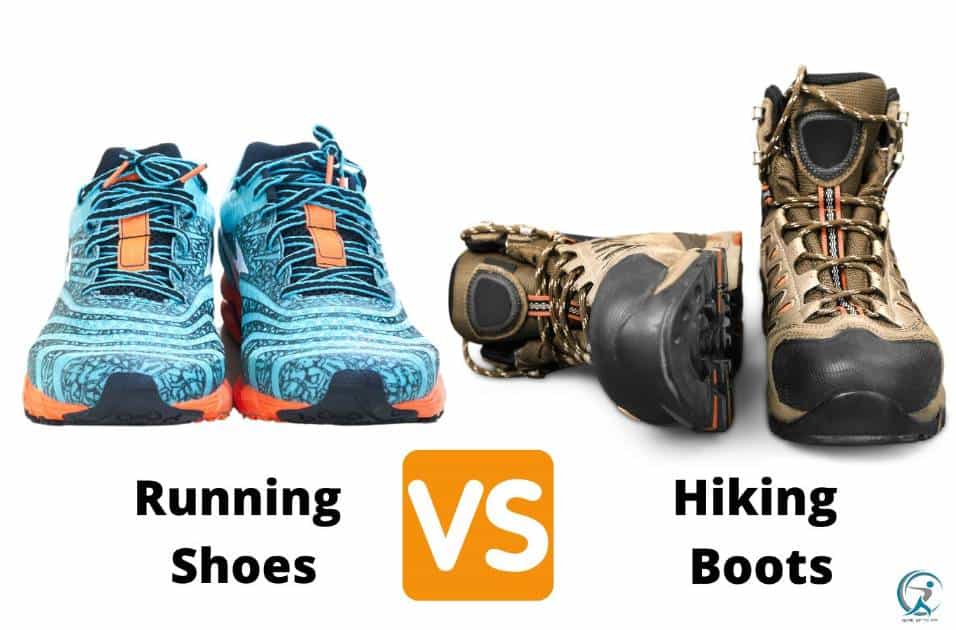
Compare hiking and trail running shoes.
Hiking shoes are meant to be durable, comfortable, and offer stability. They are typically made of soft materials with a thick sole, heel, and toe that provide traction on the ground. Trail running shoes, on the other hand, are more lightweight, with a thin sole and less support to help you move quickly through rough terrain. While hiking shoes provide optimal support for your feet, trail running shoes can offer various ankle mobility and flexibility options. Another difference between the two is in their outsole material.
Hiking shoes usually have a rubber or synthetic outsole. In contrast, trail running shoes will have a hard rubber outsole that provides better contact with the ground and better grip on varying surfaces. With this construction, runners will experience less slippage when tackling difficult trails or going up inclines. The last difference is in their size ranges. Hikers usually need something roomier than trail runners, who need something tighter to adjust to various terrains.

The benefits of using a good pair of hiking shoes
Hiking can be difficult for someone who doesn’t own the right shoes. It requires long hours of walking on hard surfaces, and it is important to have the right footwear to make your hike easier. You need comfortable shoes to avoid blisters and support while protecting rough surfaces when hiking. Hiking shoes typically have a strong, durable sole ideal for traction on uneven surfaces.
Running shoes provide excellent arch and ankle support and cushioning on the heels and balls of your feet. This makes them great for hiking in most conditions. They can also help when speed is needed during a race or other similar events. One more benefit is style. Many people enjoy wearing their running shoes when they go out on an extended hike because they look good in them (and are functional!).
You can find many different running shoes specifically tailored for outdoor activities like hiking while still looking stylish and professional. If you’re not sure which one to pick up, consider trying out some free runs or online reviews before making any final decisions.
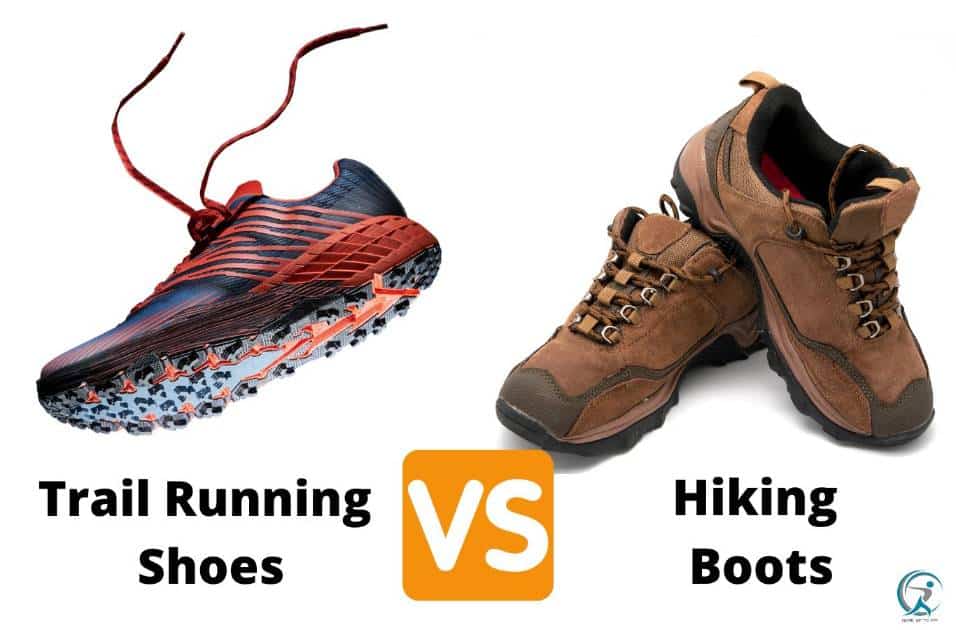
Running Sneakers vs. Hiking Boots
Some people might mistakenly assume that running shoes are the perfect footwear for hiking. They are lightweight, provide high performance, and great cushioning. While this is true to a certain extent, these attributes may not be beneficial when you need to hike long distances. Hiking boots are built with more rugged soles, thicker and denser materials, better grip on uneven terrain, and higher ankle support. In short, they have enough features to help one trek through any terrain.
Running shoes also have their upsides. They offer a lightweight feel and are great for trail running or road running. However, they can be dangerous if used for anything more. Running shoes are often designed with traction patterns on their soles, which provide a good grip on slippery surfaces like snow.
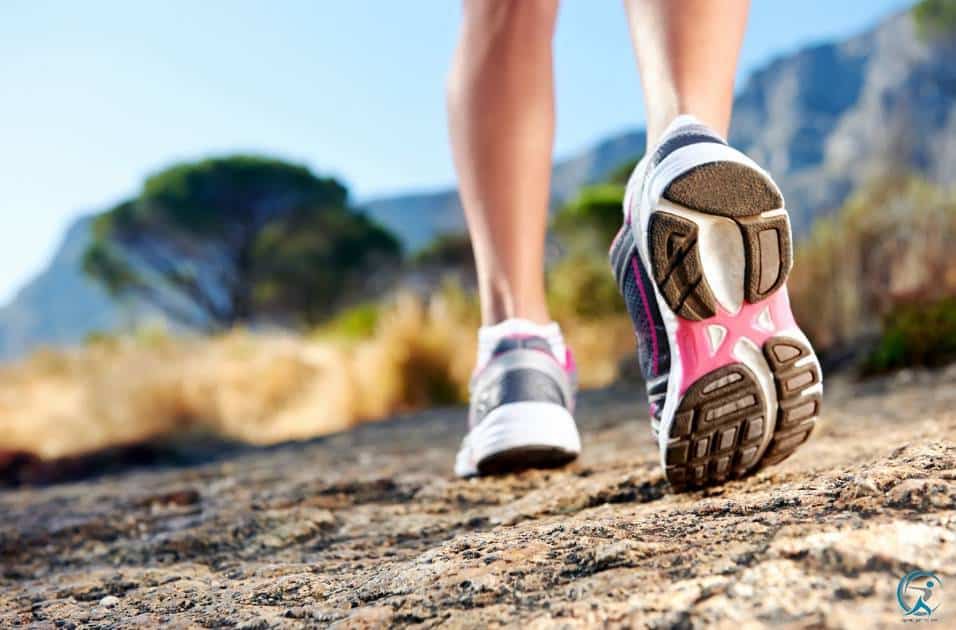
Are running shoes good for hiking?
The Pros
Running shoes have a lot of advantages over hiking boots. They are lightweight and flexible, which makes them ideal for long treks through rough terrain. They are also comfortable because they have a soft sole with thick padding that absorbs shock from every step you take. This is why runners don’t get tired after long distances because their feet are cushioned by their sneakers. You can walk all day long without feeling any pain in your feet or legs.
The Cons
The only disadvantage of using running shoes for hiking is that they don’t provide adequate ankle support like hiking boots do. You could twist your ankle while walking on uneven ground or slipping on wet rocks during river crossings without proper ankle support. Another disadvantage of running shoes is that they offer less traction than hiking boots when climbing steep inclines or traversing slippery surfaces like ice patches or mud holes on mountain trails.
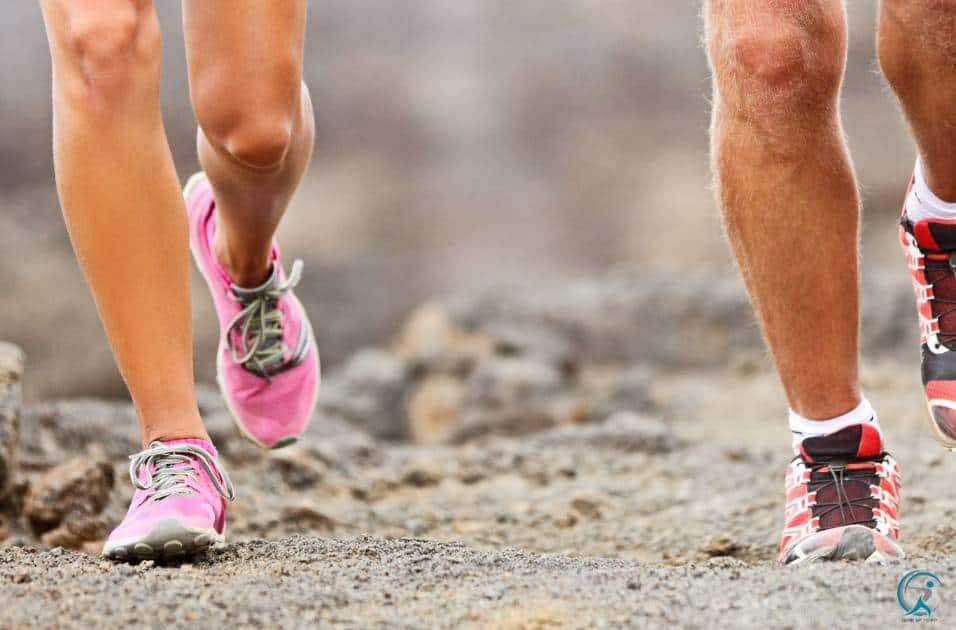
Trail running shoes vs. hiking shoes
Choosing the right shoe is important if you’re planning to go on a trail run. Trail running shoes are designed with different features than hiking boots or other outdoor footwear.
Trail running shoes are built with a cushioned midsole and flexible upper to allow for natural movement of your feet over uneven surfaces like trails and grassy areas. They also have a small heel drop (the difference between the height of the heel and the forefoot), which reduces the impact on your knees and ankles as you run.
Hiking shoes have thicker soles and stiffer uppers that help provide stability as you climb up hills or rocky terrain. Their laces are often reinforced with Kevlar threads for extra strength and durability in rough conditions. They also have a higher ankle collar than trail running shoes, which offers more support for your ankles if you need to walk in wet conditions or over slippery rocks.
Trail running shoes are lightweight enough to carry in your pack when you’re hiking through rugged terrain, so they can double as both hiking shoes and trail running shoes, depending on what type of terrain you’re covering that day!
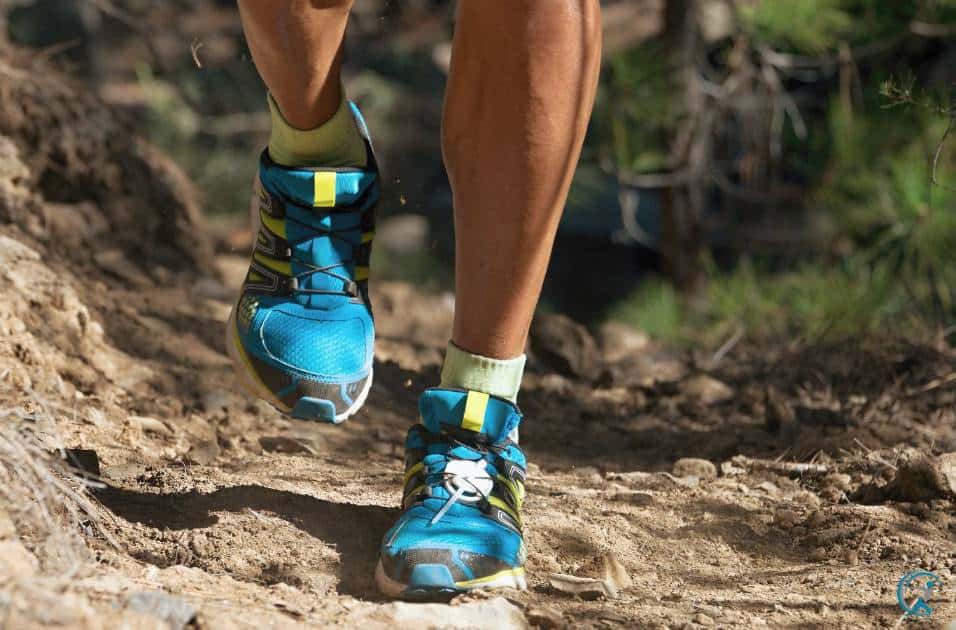
Wear trail running shoes for hiking.
Trail running shoes are made for running over uneven surfaces like trails or dirt roads. They have more cushioning than road running shoes as they absorb shock better, so you can run longer distances without getting sore feet or ankles. These shoes also have more flexibility and ground contact than other types of running shoes, which helps them move more naturally over uneven ground, so they can handle any obstacle they come across while running on trails.
Trail running shoes are also great for hiking because they grip well on slippery surfaces like mud or rocks, so you don’t slip when climbing steep inclines or climbing up hillsides.
If you want to hike comfortably, wear trail running shoes instead of regular sneakers because they provide more protection against injuries like ankle sprains. They provide extra support in key areas such as the foot’s arch.
Which type of shoe is best for hiking?
When it comes to hiking, you should consider the type of terrain that you will be exploring. Running shoes are more appropriate for flat surfaces such as sidewalks and city streets. If you plan on hiking in a forest or on steep inclines, you may want to opt for a boot instead. It is also good to remember that your shoe selection will vary depending on your personal preference; there is no one-size-fits-all when it comes to outdoor gear.
Running Shoes vs Trail Runners: 2026 Verdict
| Feature | Traditional Running Shoes (2025) | Trail Runners (2026 Standard) | Hiking Boots |
|---|---|---|---|
| Weight | Light (8-10 oz) | Ultralight (7-9 oz) | Heavy (14-20 oz) |
| Grip/Traction | Moderate road lugs | Aggressive 5mm lugs | Vibram multidirectional |
| Protection | Minimal toe box | Rock plates + reinforced | Full rand + stiff midsole |
| Support | Low ankle, cushioned | Flexible with stability | High ankle cuff |
| Best For | Smooth trails | Technical hikes | Heavy packs, extremes |
2026 trail runners bridge the gap, blending running speed with hiking durability—ideal for most users over pure road shoes or boots.
Frequently Asked Questions
Are running shoes good for hiking?
In 2026, yes for light trails, but trail-specific runners like Hoka Speedgoat 6 excel with better grip and protection than road models.
Which running shoes are best for hiking?
Top 2026 picks: Hoka Speedgoat 6 for cushion/grip, Salomon Speedcross 6 for mud, Altra Lone Peak 8 for zero-drop natural feel—avoid legacy road shoes like NB 1080 v14.
What is the difference between hiking shoes and running shoes?
Hiking shoes prioritize stiff support, high ankles, and durability for loads; running shoes (esp. trail) focus on lightweight flexibility, cushioning, and speed for dynamic movement.
Can I use road running shoes for hiking?
Only smooth paths—lack traction/ protection leads to slips on rocks. Opt for 2026 trail runners instead.
Are trail running shoes better than hiking boots?
For speed/light loads, yes; boots win for ankle support/heavy packs. 2026 trail tech closes the gap.
What should I consider before hiking in running shoes?
Terrain, weather, pack weight, and shoe type—choose 2026 trail models with Gore-Tex for versatility.
Are running shoes good for hiking?
Running shoes can be suitable for light hiking on well-maintained trails. However, for challenging terrains, hiking boots provide better stability and protection.
What’s the difference between running shoes and hiking shoes?
Hiking shoes are designed for grip and durability on uneven terrains. Running shoes emphasize on lightweight and flexibility, best for maintained surfaces.
Can I wear running shoes for long hikes?
For long hikes, especially on rough terrains, it’s recommended to wear hiking boots for increased ankle support, stability, and overall foot protection.
Do running shoes offer enough traction for hiking?
Running shoes may not provide sufficient traction for hiking, especially on slippery or rocky surfaces. Hiking shoes have deeper lugs for enhanced grip.
Should I choose waterproof running shoes for hiking?
If you expect to encounter wet conditions while hiking, selecting waterproof footwear, either running or hiking shoes, is a good idea for comfort and safety.
Conclusion
Whether logging a quick trail run or hitting the Appalachian Trail, you need running shoes to get the job done. But when planning your next wilderness excursion, it’s worth considering whether you should use hiking shoes or running sneakers. After all, your sneakers may be more suited to city life, while hiking shoes are a better choice for hiking. Although many people think running sneakers are the best option for hiking, many believe that hiking shoes are a better choice. With a good pair of hiking shoes, you’ll be able to hike on varied terrain, including steep hills and rocky surfaces, and have a more comfortable experience.
Hiking shoes also have additional features like ankle support and traction that can make your trip easier. Running sneakers are great for running on paved and flat surfaces, but when planning your next wilderness excursion, it’s worth considering whether you should use hiking shoes or running sneakers. A good pair of hiking shoes will help you hike on varied terrain and have a more comfortable experience.
Expert Tips for Choosing Trail Footwear
If you are transitioning from pavement to the peaks, your choice of footwear impacts your recovery and performance. For those starting an outdoor running plan, trail runners offer a versatile middle ground. However, if your goal is injury prevention during steep descents, incorporating mobility training can help your ankles adapt to the flexibility of a trail shoe compared to a stiff boot.
FAQ: Using Running Shoes for Hiking
Can I wear road running shoes for hiking?
Road shoes are suitable for flat, paved, or very well-maintained dirt paths. However, they lack the traction and rock plates found in the best running shoes designed for off-road use.
Are trail runners better than hiking boots?
Trail runners offer more agility and breathability. For beginners, a beginner outdoor running plan often incorporates trail walking to build stability before transitioning to full runs.
Optimizing Your Footwear for Different Terrains
Whether you are tackling a local trail or preparing for a beginner outdoor running plan, choosing the right footwear is essential for performance and safety. While road runners work for flat paths, those transitioning to more rugged adventures might find that cross-training for runners helps build the necessary ankle stability for uneven ground.
Frequently Asked Questions
Are road running shoes okay for light hiking?
Do trail running shoes last longer than road shoes on trails?
FAQ: Running Shoes for Hiking
Can I wear road running shoes for hiking?
Yes, for flat, paved, or well-maintained gravel paths. However, for technical trails, they lack the necessary grip and rock protection.
Are trail runners better than hiking boots?
Trail runners are better for speed, breathability, and weight. Hiking boots are superior for heavy packs, maximum ankle stability, and extreme durability.
Do running shoes cause blisters while hiking?
Road shoes may slip on inclines, causing friction. A proper fit in comfortable running shoes designed for trails reduces this risk.