

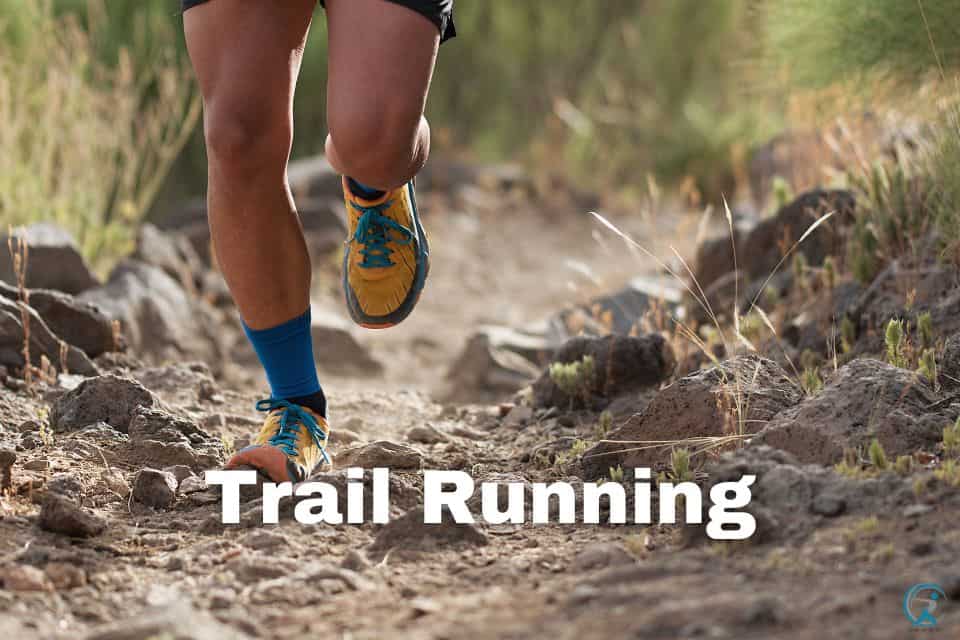
Trail running setup
A practical trail-running buying guide for shoes, traction, hydration, socks, and safety gear.
Quick answer
Trail running shoes should match the surface first: shallow lugs for dry dirt, deeper lugs for mud, protective midsoles for rocks, and secure uppers for descents. Fit matters more than brand. Leave enough toe room for downhill running, lock the heel, and test socks before long outings.
This guide is built for road runners moving to trails, hikers starting to run, and experienced runners comparing grip and protection. It keeps the recommendation logic simple: choose products only when they remove friction, improve consistency, or solve a real gap.
Important safety note
Trail terrain changes fast. Shoes improve traction, but pacing, route planning, weather awareness, and carrying water matter more for safety.
Best Amazon product shortcuts for this guide
These boxes are not random ads. They match the buying criteria in this article and give you a fast way to compare current Amazon availability, images, labels, reviews, and pricing.
Relevant Amazon pick
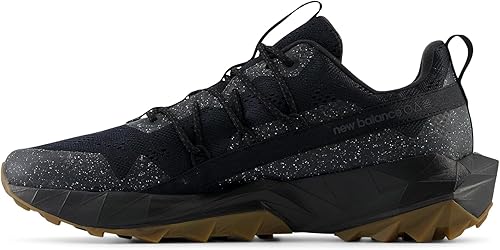
New Balance Men's Dynasoft Tektrel V1 Trail Running Shoe
Chosen to match this guide’s buying criteria. Check the current label, sizing, ingredients, warranty, and seller details before ordering.
Check Amazon price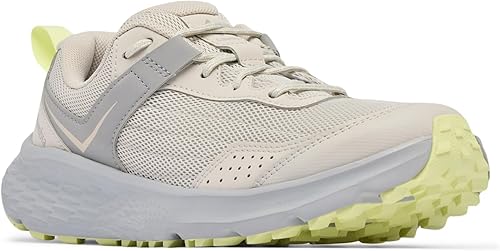
Relevant Amazon pick
Columbia Women's Vertisol Trail
Chosen to match this guide’s buying criteria. Check the current label, sizing, ingredients, warranty, and seller details before ordering.
Check Amazon price
Relevant Amazon pick
INOXTO Running Hydration Vest Backpack,Lightweight Insulated Pack with 1.5L Water Bladder Bag Daypack for Hiking Trail Run…
Chosen to match this guide’s buying criteria. Check the current label, sizing, ingredients, warranty, and seller details before ordering.
Check Amazon price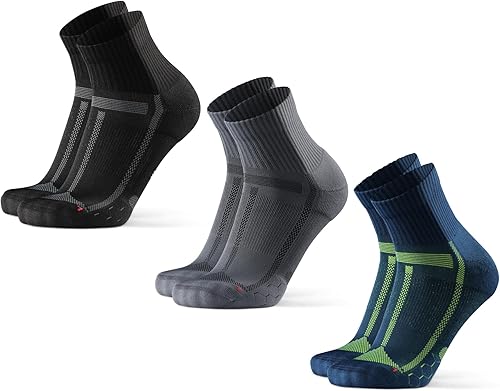
Relevant Amazon pick
DANISH ENDURANCE Ultra-Comfort Quarter Running Socks, Performance Socks, Men & Women – 3 or 5 Pack
Chosen to match this guide’s buying criteria. Check the current label, sizing, ingredients, warranty, and seller details before ordering.
Check Amazon priceWhat actually matters before you buy
- Match lug depth to terrain instead of buying the most aggressive shoe.
- Prioritize lockdown on descents; heel slip causes blisters.
- Use technical socks to reduce moisture and rubbing.
- Carry hydration on runs that exceed an hour or involve heat, elevation, or remote terrain.
How to decide without overbuying
Start with the bottleneck
If the real problem is inconsistent training, poor sleep, low protein, bad fit, or heat management, fix that bottleneck first. The right product should make the behavior easier, not distract from it.
Read the boring details
Serving size, return policy, sizing chart, warranty, third-party testing, ingredient amounts, and seller reputation matter more than a dramatic product name.
Avoid miracle language
Be skeptical of products promising instant fat loss, cure-level results, detox transformations, or guaranteed performance jumps. Real improvements are usually cumulative.
Buy for repeat use
The best choice is the one you will actually use every week. Comfort, taste, fit, storage, and simplicity often decide long-term results.
Product role comparison
| Product type | Why it belongs here |
|---|---|
| trail running shoes men | Best when it solves a real gap in the routine instead of adding another random purchase. |
| trail running shoes women | Useful for comparison shoppers who want a simple, repeatable buying shortcut. |
| running hydration vest | Worth checking when quality signals, serving size, materials, or warranty matter. |
| trail running socks | A supporting item that improves consistency, comfort, storage, or daily use. |
Recommended buying process
- Define the use case. Decide whether you need performance, recovery, convenience, safety, comfort, or nutrition support.
- Compare two or three options. Do not let the Amazon results page push you into the first sponsored-looking product.
- Check the label or sizing chart. Most bad purchases happen because the buyer skipped the details.
- Start conservatively. With supplements, start low and verify tolerance. With gear, test it on short sessions before relying on it.
- Reassess after two weeks. Keep products that improve consistency. Return or stop using anything that adds friction.
Where this fits inside your bigger fitness plan
This article should support the fundamentals: training consistency, enough protein and fiber, progressive overload, hydration, sleep, and realistic recovery. Products can help, but they should never become the plan itself.
Useful next references on Gear Up to Fit: running hub running shoe guide gear reviews review methodology.
FAQ
Can I use road running shoes on trails?
You can on smooth dirt paths, but rocky, muddy, or steep trails need better grip, protection, and upper lockdown.
How should trail running shoes fit?
They should lock the heel and midfoot while leaving toe room for downhill movement. Too-tight trail shoes can bruise toenails.
Do beginners need a hydration vest?
Not for short local runs, but a vest becomes useful for longer routes, heat, elevation, or trails without easy water access.
Bottom line
Trail running shoes should match the surface first: shallow lugs for dry dirt, deeper lugs for mud, protective midsoles for rocks, and secure uppers for descents. Fit matters more than brand. Leave enough toe room for downhill running, lock the heel, and test socks before long outings.
Use the Amazon boxes above as a fast comparison layer, then make the final decision based on your body, routine, budget, and the product details in front of you.