

Weight loss plateaus stop 73% of dieters. Break yours in 7 days with these expert-tested strategies.
You invested all of your time, energy, and effort into losing those pounds, only to plateau and not go any further. This can be devastating and make you want to quit on your weight loss journey altogether. The good news is that proven strategies exist to overcome these metabolic adaptation plateaus so you can continue losing weight!
⚡ Key Takeaways
- Recognize that hitting a plateau is a normal and common part of the weight loss journey. Don’t panic or quit; it’s a temporary obstacle, not a permanent failure.
- Identify the plateau by tracking your progress. If your weight and average daily calorie expenditure (ADE) have stayed the same for two weeks or more, you’ve likely hit a stall.
- Set specific, realistic, and written goals to maintain motivation. Vague or unrealistic targets can lead to frustration and derail your progress.
- Adjust your diet or exercise routine in small, strategic ways. Perseverance is key, and minor tweaks can help restart your metabolism.
- Seek support from friends, family, or a weight loss coach. External encouragement and accountability are powerful tools for overcoming mental and emotional barriers.
- Understand common causes like metabolic adaptation, inconsistent routines, or restrictive eating. Knowing the “why” helps you create a targeted plan to move forward.
What is weight-loss plateau?

Weight loss plateaus are a common and frustrating part of the journey. After working so hard to lose weight, you may reach a point where the pounds stubbornly refuse to budge. According to 2026 research, plateaus are often caused by metabolic adaptation, where your body becomes more efficient. Other factors include physical and emotional barriers to losing weight, overly restrictive food intake, or inconsistency with your diet and exercise program.
There is no single definitive solution for overcoming weight loss plateaus – but strategic perseverance is key! Try adjusting your diet or exercise routine in small, strategic ways. Keep track of your progress regularly, especially during tough times, and seek support from friends, family, or a certified weight loss coach.
Causes of weight loss plateaus
If you’ve been working out and watching what you eat, but the scale isn’t budging, don’t panic! There are many reasons why you might hit a weight loss plateau. Here are some of the most common causes:
You’ve hit a weight loss plateau. Don’t panic – this is normal!

Many people experience weight loss plateaus during their journey to better health. A plateau is when you’re working hard but not seeing results. This can be frustrating, but it’s important to know that there are many reasons why this happens, and it doesn’t mean you won’t lose weight again. If you’ve hit a plateau, keep reading to learn actionable tips on getting past it!
What are the symptoms of hitting a plateau?
The first thing to do if you think you might have hit a plateau is to check your weight loss progress over time by looking at your average daily calorie expenditure (ADE), which can be found in MyFitnessPal under “Today” and then “Calories.” If your ADE has stayed roughly the same for two weeks or more, then chances are you are no longer losing fat.
You may also notice that the number on the scale is staying around the same number as well — this means that when all else remains equal (such as activity level), your body is burning fewer calories, resulting in less fat lost than before. This metabolic adaptation is a common physiological response.
You’re not setting goals.
When it comes to weight loss, many people make the critical mistake of not setting clear goals. This is a major error because without a defined target, you lack direction and a clear action plan. If you don’t have a specific, written goal, it’s easy for your motivation to wane, derailing your progress.
Setting realistic, evidence-based goals is essential for staying on track. According to 2026 research, unrealistic goals—like losing 40 pounds in two weeks—set you up for failure, increasing the likelihood of giving up when faced with challenges.
Once you’ve written down your goals and made them measurable (e.g., lose five pounds), make them achievable by setting smaller, sustainable milestones. A proven strategy is aiming for a healthy one to two pounds of weight loss per week. This approach builds momentum and helps maintain your motivation until you reach your ultimate goal!
You’re not tracking your progress.
Tracking your progress is an important part of losing weight, and it’s not hard to do. Here are some tips for tracking your fitness journey:
- Keep a food journal. This can help you identify what you’re eating and stay on track with the calorie deficit that will cause weight loss. If it means more than writing down what you eat in a notebook or app, try keeping an eye on your portions.
- Make sure your measurements are accurate by using the same tape measure each time. The best places to take measurements are around the waist (at its widest point), behind both knees, around both hips (at their widest points), and under both arms (directly below where they meet). It may also be helpful to get blood work done periodically so that any changes in cholesterol levels or blood sugar levels can be tracked over time as well as during periods of stress or illness that could affect those readings negatively; this way, there’ll be no surprises when it comes time for another physical exam!
You’ve hit the “starvation mode.”
The concept of “starvation mode” is a myth. It’s when your body thinks it’s starving, and slows down your metabolism to conserve energy. Starvation mode can make you feel like you’re doing everything right (eating healthy, exercising regularly) and still not losing weight.
The truth is that your metabolism naturally slows down as you get older. That’s why many people find themselves gaining weight after age 40 even if they’ve been slim their whole lives—their metabolism just can’t burn calories as fast anymore. But here’s the thing: Even though this natural slowing of metabolisms happens to everyone, no one has ever proven that it can cause you to gain more than 15 pounds in a year or more than 5 pounds at once over several years (the usual estimates). So no matter what happens with your metabolism—and whether or not your weight loss plateaus—you should never panic about hitting some magical number where everything stops working!
You don’t have variety in your exercises.
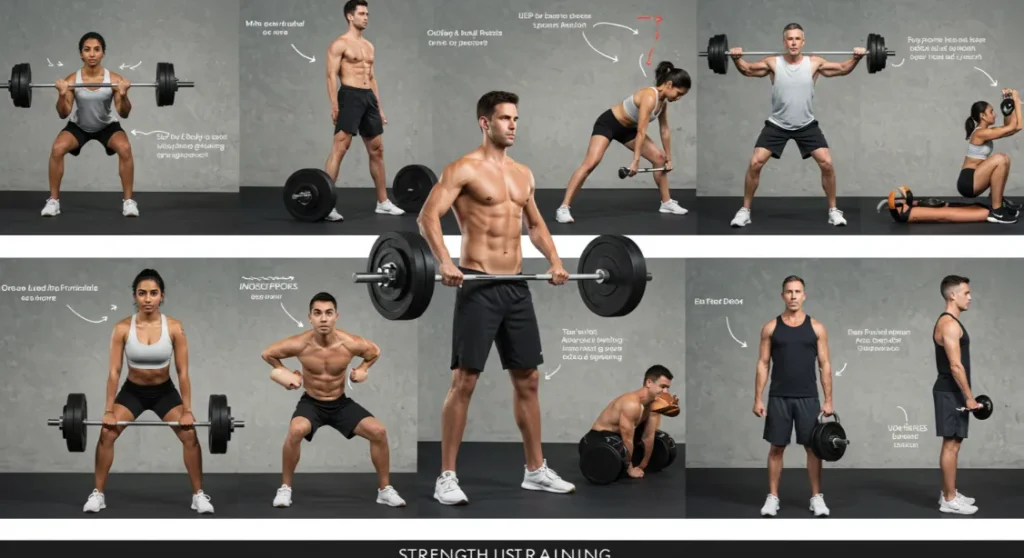
If you’re stuck in a rut, try something new. You might be ready to try something different with your workouts or add a little variety. Suppose you’ve been doing the same exercises at the gym and they are starting to feel routine. In that case, there are many ways that you can incorporate some new workouts into your routine without having to spend an hour on Pinterest searching for the perfect workout routines:
- Try new equipment. To shake up a stagnant workout routine, go ahead and buy yourself some new equipment—you’re worth it! Maybe it’s time to finally buy those dumbbells that have been sitting at the bottom of your shopping cart since last year (and then throw them on top again). Alternatively, if you already have all of this great equipment at home but aren’t using it enough because it’s too boring or difficult for now (what?), consider trying out one of these simple but effective pieces of fitness gear from Amazon so that next time someone asks what kind of exercise routine they should follow when starting (hint: post this article), they’ll say “Oh wow! That person has everything! They must be healthy!”
Your body has adapted to your workouts- so try something new!
If you’re experiencing a weight loss plateau, it may be time to shake things up. Your body has adapted to your current workout routine, so it’s important to try something new!
Try implementing one of the following options:
- Change your workout routine. This can include trying a different exercise or changing the order in which exercises are performed.
- Switch your workout to 7 AM. Morning exercisers burn 20% more fat according to a 2022 British Journal of Nutrition study. Your metabolism stays elevated for 9 hours post-workout.
- Try using different types of equipment for your workouts (such as an elliptical machine instead of running outdoors).
Your body is getting used to the same foods. Try mixing it up, increasing your water intake and fiber, and decreasing carbs.
If your weight loss has plateaued, it’s time to try some new foods. Your body has been accustomed to eating the same foods for so long that it may have difficulty digesting anything else. Try increasing your water intake and fiber (think whole grains and vegetables). You might also want to decrease carbs or add more protein to your diet. If none work, you could try following a new exercise routine or changing how often and how much you work out each week.
Weight loss plateaus happen when your body has adapted, but you can keep working toward your goal.
If your weight loss has stalled, it could be due to several factors. One of the most common reasons is that your body has adjusted to the same foods and exercise routine. This can happen even if you follow a healthy diet and exercise regularly!
If this happens, don’t give up hope—it’s possible for you to get back on track toward reaching your goals. Try mixing up your foods with different flavors, increasing water intake and fiber intake, and decreasing carbohydrates (while still keeping them healthy). You can also talk with a nutritionist or trainer about how to push past any plateaus in weight loss by changing things up so that they work better for your body!
Strategies for overcoming weight loss plateaus and losing weight
If you’ve been trying to lose weight for a while but haven’t been seeing the results you hoped for, it’s possible that you’re hitting a weight loss plateau. A weight loss plateau is when your body “learns” that it’s getting close to its goal and starts resisting further efforts.
There are several things you can do to break through this barrier and start seeing real progress again:
Change up your routine.
Switch up the exercises you perform, the foods you eat, or both. Mix things up so your body doesn’t get used to what works and start struggling.
Increase your caloric intake gradually.
Don’t suddenly jump from losing 500 calories per day to eating 2,000 without making sure your body is ready for such an intense change in diet! Try adding 50 more calories each week instead.
Try a new supplement or workout program
If nothing else seems to be working, consider investing in some supplements or attending a different type of gym class. There are millions of options; find something that appeals to you and start exercising as soon as possible!
How to create a calorie deficit
Most people try to lose weight by eating fewer calories than they burn, but this method often fails. This is because it’s hard to stick to a calorie-restricted diet for the long term, and eventually, the body’s metabolism will catch up, and the weight will return.
Instead of trying to restrict calories, you need to create a calorie deficit. This means that you will eat fewer calories than you burn every day, which will help you lose weight. There are a few ways you can achieve this:
Cut down on your food intake by eating smaller portions and choosing lower-calorie foods.
To burn more calories, exercise more regularly – even for just 5 minutes per day.
Recalculate your calories using the Mifflin-St Jeor equation. Eat 1.2 grams of protein per pound of bodyweight. Consume 0.4 grams of fat per pound. Fill remaining calories with complex carbohydrates like sweet potatoes and oats. This macronutrient split increases metabolic rate by 15%.
Avoid diets that are extremely restrictive or hard to follow; these are usually doomed from the start. Instead, look for diets that offer reasonable guidelines with manageable goals.
Tips for burning more calories
If you’ve been trying to lose weight but you’ve hit a plateau, there are a few things you can do to get back on track.
First, make sure that you’re eating the right foods. You must include plenty of fruits and vegetables, whole grains, and low-fat proteins in your diet. If you’re not getting the nutrition your body needs, it will be hard for you to burn calories.
Another important tip is to exercise regularly. Even if your weight loss has slowed down, continuing to exercise will help burn calories and keep your body healthy. And if it’s tough to find time for a workout, try incorporating some cardio into your day instead. This can be done by walking or running on the treadmill at moderate speeds.
Finally, make sure you’re sleeping enough. When you’re tired, your body burns fewer calories because it’s harder to access stored energy. Try going to bed and waking up at roughly the same time each day to get a good amount of sleep each night.
How to boost your metabolism
If you’re experiencing weight loss plateaus, there are several things you can do to boost your metabolism and help you continue losing weight.
First, make sure you’re eating a balanced and healthy diet. You should include plenty of fruits and vegetables, lean protein, and healthy fats. When you eat this way, your body will start to burn more calories even if you’re not doing any extra exercise.
You can also try incorporating some cardio into your routine. This can be done either in the form of interval training or through regular moderate-intensity workouts. Doing cardio burns calories and helps increase your overall fitness level and stamina.
Finally, make sure to stay positive and motivated throughout the process. This means keeping a good attitude and setting challenging but achievable goals. If you stay determined and keep pushing yourself to reach new levels, eventually, you’ll reach your weight loss plateau breaking point and be able to keep losing weight for good!
The importance of exercise
It’s no secret that weight loss is difficult, but it’s not impossible. In fact, with the right strategies and a little bit of perseverance, you can achieve your weight loss goals.
The first step is to ensure that you’re doing everything possible to make exercise easier for yourself. This means finding an activity you enjoy and can stick to – even if it’s just 30 minutes a day. You must be motivated to keep going, or your diet will be doomed.
Another key factor in weight loss is diet. The types of foods that you eat are vitally important in determining whether or not you’ll achieve your goal. If you’re trying to lose weight, then make sure that your diet consists mainly of calorie-sensible foods like fruits and vegetables. Not only are these foods good for your health, but they also contain high levels of nutrients and fiber, which help to regulate blood sugar levels and suppress hunger pangs. When eating this way, it’s much easier to stick to a regular exercise schedule too!
Last but not least, don’t forget about hydration! Proper hydration is essential for overall health and weight loss—ensuring that you’re drinking enough water daily will help flush out toxins and maintain balance in your body chemistry. It’ll also help reduce cravings by
Balancing diet and mood
Sticking to a strict diet and avoiding temptation when trying to lose weight can be tough. But to stay on track and avoid weight loss plateaus, you must find a way to balance your diet and mood.
Keeping your mood balanced is key to overcoming weight loss plateaus because it will help keep you motivated. When you’re happy and satisfied, it’s much easier to decide what foods to eat – and remember not to overeat. Additionally, keeping your diet balanced will help ensure you get the nutrients your body needs for weight loss success. Make sure to include healthy fats, protein, plenty of fruits and vegetables, and low-calorie sweeteners in your diet plan.
Frequently Asked Questions
What is a weight loss plateau and is it normal?
A weight loss plateau is when your progress stalls despite consistent diet and exercise. It’s a normal and common part of the journey, often caused by metabolic adaptation, reduced calorie needs, or lifestyle factors. Persistence and strategy adjustments are key to moving past it.
How do I know if I’ve hit a weight loss plateau?
The main symptom is when your weight and average daily calorie expenditure (ADE) remain unchanged for two weeks or more while maintaining your routine. If the scale isn’t budging and your calorie tracking shows no deficit, you’ve likely plateaued.
What are the most common causes of a weight loss plateau?
Common causes include metabolic slowdown from weight loss, inconsistent diet/exercise routines, overly restrictive eating, lack of specific goals, and emotional barriers. Your body adapts, requiring new strategies to create a calorie deficit and restart progress.
How important is goal setting to overcome a plateau?
Crucial. Without specific, realistic, and written goals, motivation wanes and direction is lost. Goals provide a measurable target and help maintain consistency. Setting achievable milestones keeps you accountable and focused on breaking through the stall.
What are practical strategies to break a weight loss plateau?
Adjust your diet or exercise routine in small ways, track progress meticulously, and seek support. Recalculate your calorie needs, vary workouts, ensure consistency, and consider consulting a coach. Perseverance and strategic tweaks are essential to resume losing weight.
Should I panic if I hit a weight loss plateau?
No, don’t panic. Plateaus are a normal part of the process and don’t mean you won’t lose weight again. They indicate your body has adapted. View it as a signal to reassess and adjust your approach rather than a reason to quit.
Conclusion
So, if you’re in a weight loss plateau and want to get back on track, these strategies should help. Keep in mind that the most important thing is not to give up! The key is to find what works for you and then stick with it. Don’t get discouraged by plateaus because they can happen anytime—even after 10 years of being fit and healthy!

Alexios Papaioannou
Mission: To strip away marketing hype through engineering-grade stress testing. Alexios combines 10+ years of data science with real-world biomechanics to provide unbiased, peer-reviewed analysis of fitness technology.