
-
Archives
- April 2026
- March 2026
- February 2026
- January 2026
- December 2025
- November 2025
- October 2025
- September 2025
- August 2025
- July 2025
- June 2025
- May 2025
- February 2025
- January 2025
- December 2024
- November 2024
- October 2024
- September 2024
- August 2024
- July 2024
- June 2024
- May 2024
- April 2024
- March 2024
- February 2024
- January 2024
- December 2023
- November 2023
- October 2023
- September 2023
- August 2023
- July 2023
- June 2023
-
Meta
Monthly Archives: February 2026
Huawei Watch GT Runner 2 Review (2026): Is It Accurate Enough for Serious Runners?
Huawei Watch GT Runner 2 review: battery, heart-rate reliability, GPS trade-offs, buying checklist, internal links, and references. Continue reading
Posted in Review
Tagged Running, Smartwatch, Smartwatch review
Comments Off on Huawei Watch GT Runner 2 Review (2026): Is It Accurate Enough for Serious Runners?
Saucony Ride 19 Review: The Best Daily Trainer Under $150 — Complete Breakdown
The Saucony Ride 19 is a durable, cushioned daily trainer with excellent traction, strong cold-weather consistency, and unusually good value for runners who want dependable easy-mile comfort under $150. Continue reading
Posted in Review
Comments Off on Saucony Ride 19 Review: The Best Daily Trainer Under $150 — Complete Breakdown
Hoka Cielo X1 3.0 Review: Lighter, Bouncier & Race-Ready
GearUpToFit › Running Shoe Reviews › Hoka Cielo X1 3.0 Review 2026 📅 Published: February 2026 ⏱ 15 min read 🔥 Expert Tested & Reviewed ✅ Fact-Checked 🏃 Race-Proven at Elite Level Running Shoes Carbon Racer Marathon Racing Super Shoe … Continue reading
Posted in Review
Comments Off on Hoka Cielo X1 3.0 Review: Lighter, Bouncier & Race-Ready
Saucony Endorphin Azura Review: Specs, Ride Feel, Comparisons & Who Should Buy It
GearUpToFit › Running Shoe Reviews › Saucony Endorphin Azura Review 2026 📅 Published February 2026 ⏱ 14 min read 🏅 Expert Tested & Reviewed ✅ Fact-Checked 👟 Real-World Miles Logged Running Shoes Plateless Trainer Daily Trainer Tempo Capable Saucony 2026 … Continue reading
Posted in Review
Comments Off on Saucony Endorphin Azura Review: Specs, Ride Feel, Comparisons & Who Should Buy It
ASICS Superblast 3 Review: Specs, Ride, Comparisons & Who Should Buy It
Detailed review of the Asics Superblast 3: specs, FF Leap (ATPU) tech, fit, ride impressions and who it suits — a high‑stack, durable, responsive daily/long‑run trainer.
Posted in Review
Comments Off on ASICS Superblast 3 Review: Specs, Ride, Comparisons & Who Should Buy It
Best Manuka Honey: Top Picks for 2026 – Expert Reviews
Discover the best manuka honey for health benefits. Compare top-rated brands, potency levels, and prices. Find your perfect manuka honey today! Continue reading
Posted in Review
Comments Off on Best Manuka Honey: Top Picks for 2026 – Expert Reviews
Protein Calculator for Fat Loss: Find Your Optimal Daily Target by Body Weight
Protein Calculator for Fat Loss If you are trying to lose body fat without ending up smaller, softer, and hungrier, this is the number that matters most: your daily protein target. This guide shows you how to calculate it, how … Continue reading
Posted in Fitness and Health Calculators
Comments Off on Protein Calculator for Fat Loss: Find Your Optimal Daily Target by Body Weight
Suunto Vertical 2 Review: A Complete Guide to Specs, Performance, and Who Should Buy It
The Suunto Vertical 2 is positioned as a high-end outdoor and endurance smartwatch built for trail runners, hikers, mountaineers, and athletes who prioritize battery life, mapping, and reliable training metrics.
In this review I break down the hardware, sensors, software, mapping and navigation, training features, real-world accuracy, and the most important pros and cons so you can decide whether the Suunto Vertical 2 fits your needs.
Quick summary — who the Suunto Vertical 2 is for
The Suunto Vertical 2 is best for people who spend long days off-grid, want trustworthy GPS and altitude data, and need detailed training load metrics without carrying a phone. It is less compelling if you want a smartwatch with deep third-party app support or a full music experience.
What the Suunto Vertical 2 is and why it matters
The Suunto Vertical 2 is an adventure-first GPS smartwatch that combines an AMOLED display, multi-day battery life, offline color maps, barometric altitude, and advanced training analytics such as Training Stress Score and Chronic Training Load. It matters because it targets the subset of users who need durable navigation and performance tracking for multi-hour or multi-day outdoor activities.
Key specifications
- Display: 1.5-inch AMOLED, 466 x 466 pixels
- Case sizes: 49 mm diameter (multiple finishes including stainless steel and titanium)
- Bands: 22 mm quick-release compatible
- Water resistance: 100 meters
- Storage: 32 GB (offline maps and workout data)
- Battery: Up to ~65 hours GPS training; up to ~20 days typical daily use (real-world varies)
- Sensors: Dual-frequency GNSS, barometric altimeter, compass, optical heart rate, SpO2, ambient light, accelerometer
- Operating modes: 100+ sport modes, navigation, POI, breadcrumb tracks, return-to-start
Design, build, and comfort
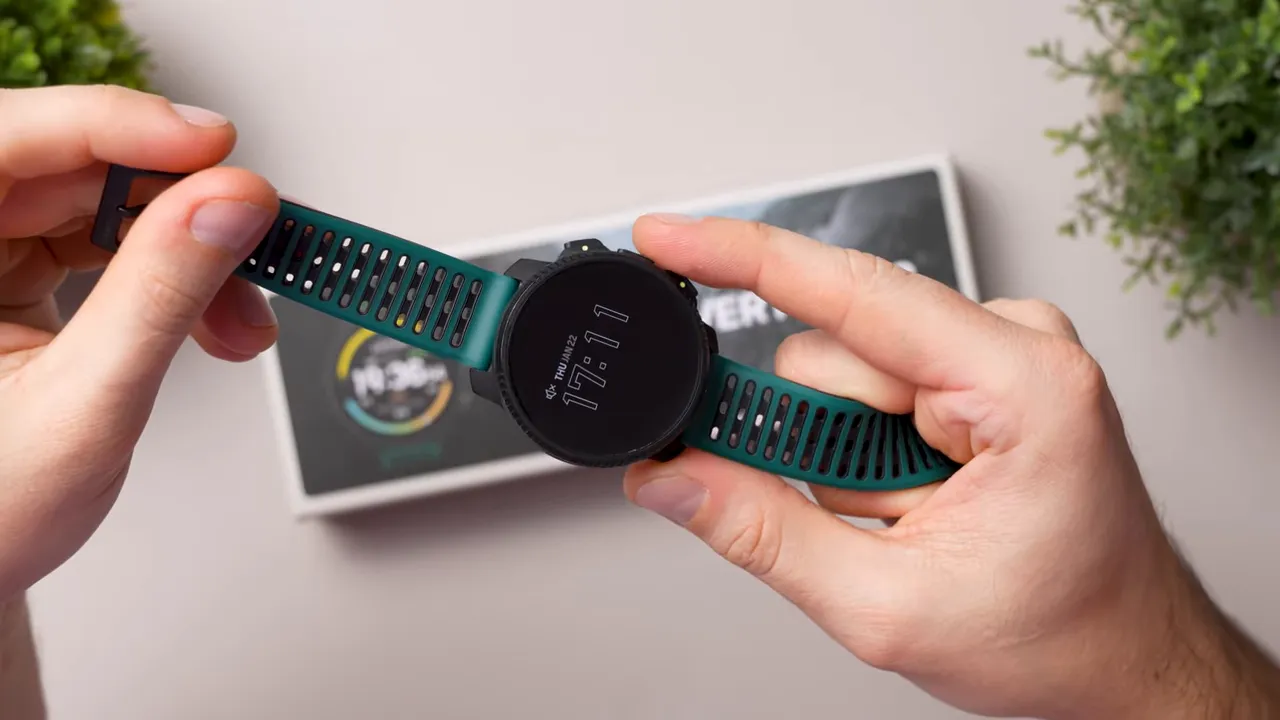
The Suunto Vertical 2 has a rugged, tool-watch aesthetic. The 49 mm case sits large on the wrist but often feels balanced because of case geometry and strap choice. Materials range from stainless steel to lighter titanium options. The watch uses standard 22 mm straps, so swapping to a preferred band is easy.
Key practical points:
- Physical buttons: Three robust buttons for reliable control when wet or with gloves.
- Flashlight: Built-in bright LED that’s useful for late-night tasks or brief navigation in dark conditions.
- Waterproofing: 100 meters is sensible for swimming and alpine weather exposure.
Display and battery balance
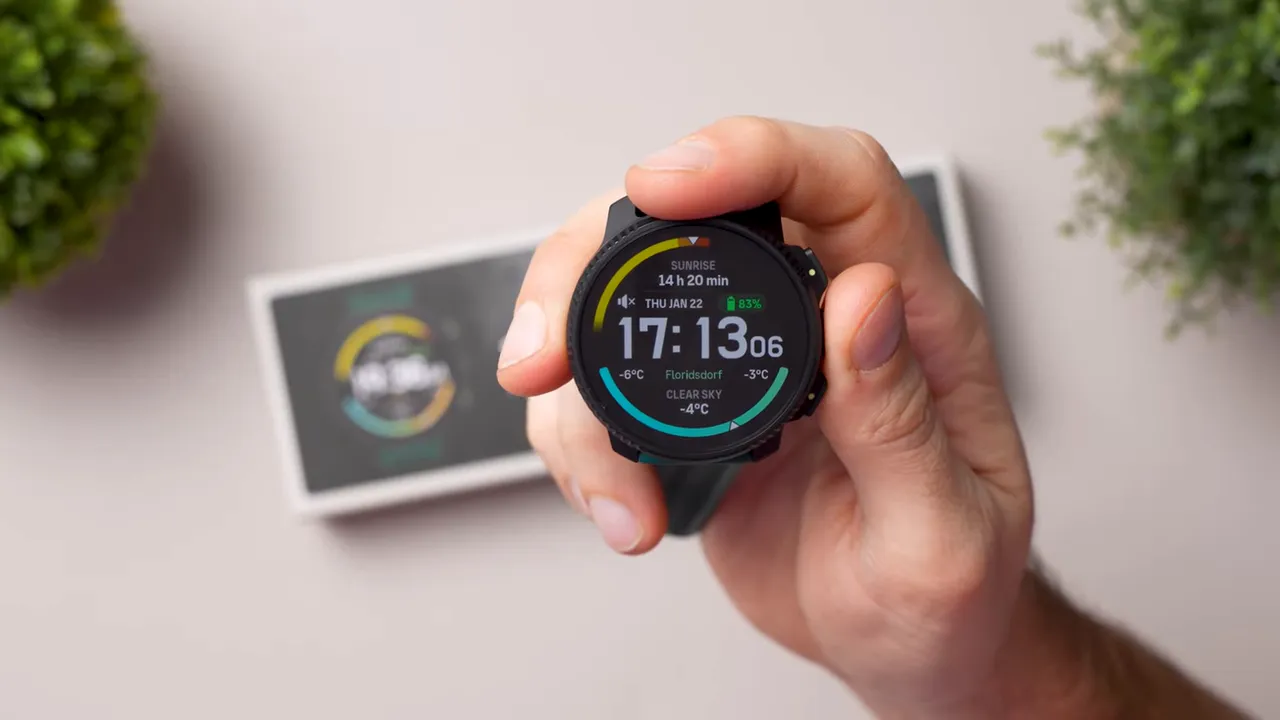
The AMOLED screen is vivid and readable in sunlight. It supports always-on display (AOD) modes but AOD increases power draw. Suunto tuned the software and battery to still offer multi-day usage despite the relatively power-hungry panel.
Practical battery guidance I use:
- Daily use: Expect more than a week with moderate daily activity if you avoid highest brightness and AOD.
- GPS sessions: Plan on several dozen hours of active GPS tracking at reasonable accuracy settings; dual-frequency GNSS reduces signal issues but costs more power.
- Saving tips: Use medium brightness, disable always-on display when you need maximum endurance, and favor power-saving GPS modes for long ultras.
Sensors, health tracking, and sleep
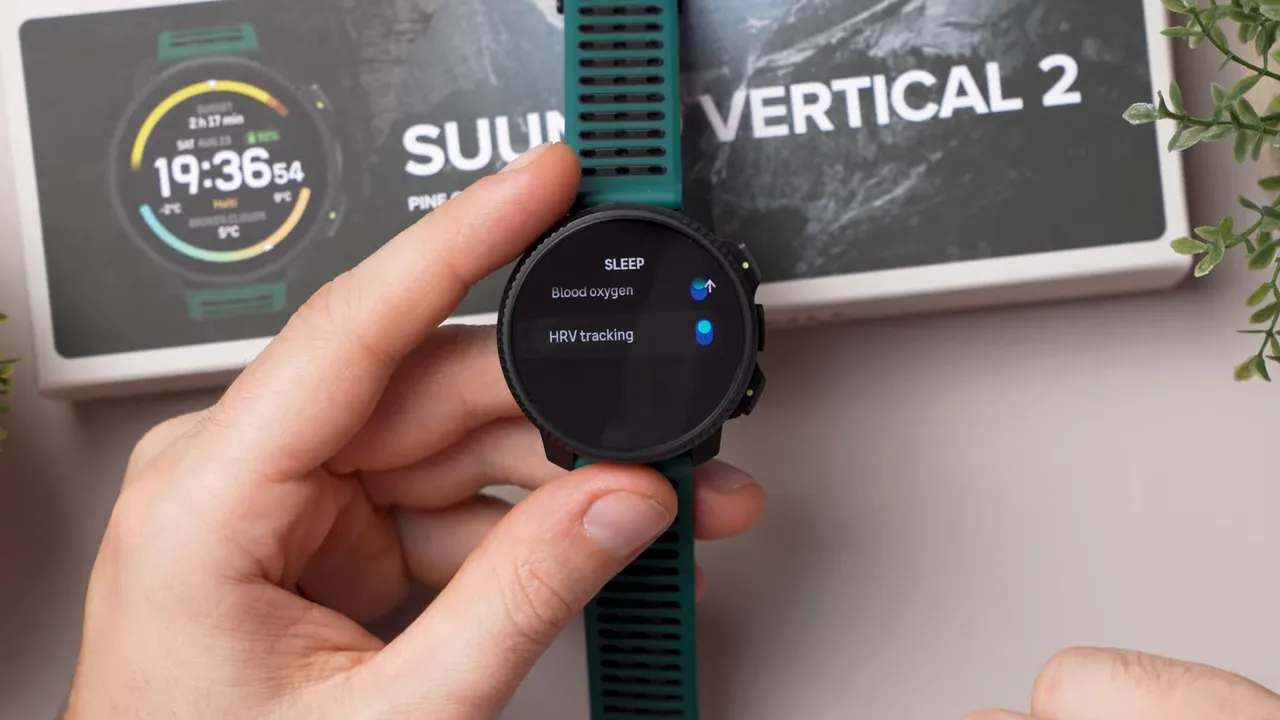
The Suunto Vertical 2 packs a full set of sensors for outdoor and health tracking. The barometric altimeter gives precise altitude and weather trend readings. Optical heart rate and SpO2 work together with sleep and recovery features. One highlight is HRV tracking during sleep for recovery insights.
How to get useful HRV and sleep data:
- Wear the watch consistently at night (a few nights are required before averages stabilize).
- Enable HRV in sleep settings—some features are off by default.
- Charge less frequently so you don’t skip nights of data due to a drained battery.
GPS, mapping, and navigation
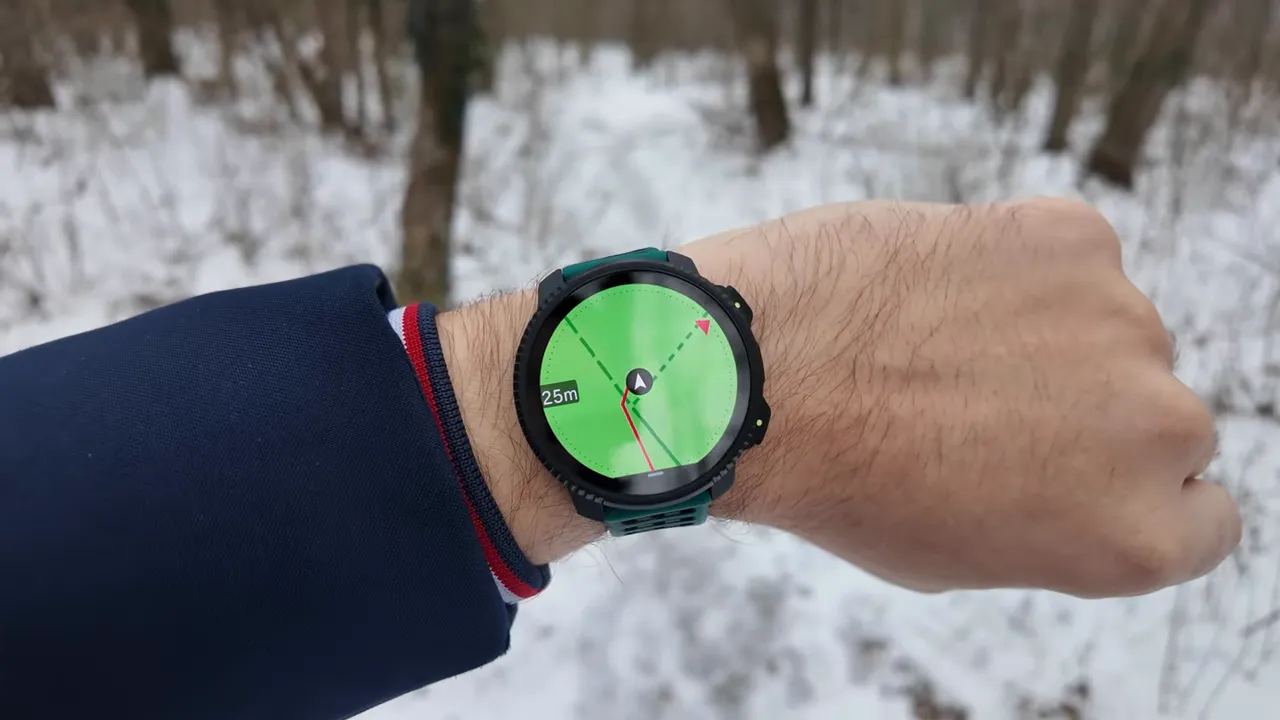
Navigation and mapping are central to the Suunto Vertical 2. Dual-frequency GNSS helps maintain accuracy in forests, valleys, and near tall structures. The watch supports offline color maps stored on the device and breadcrumb-style route following with a clear return-to-start or follow-route option.
Navigation features to know:
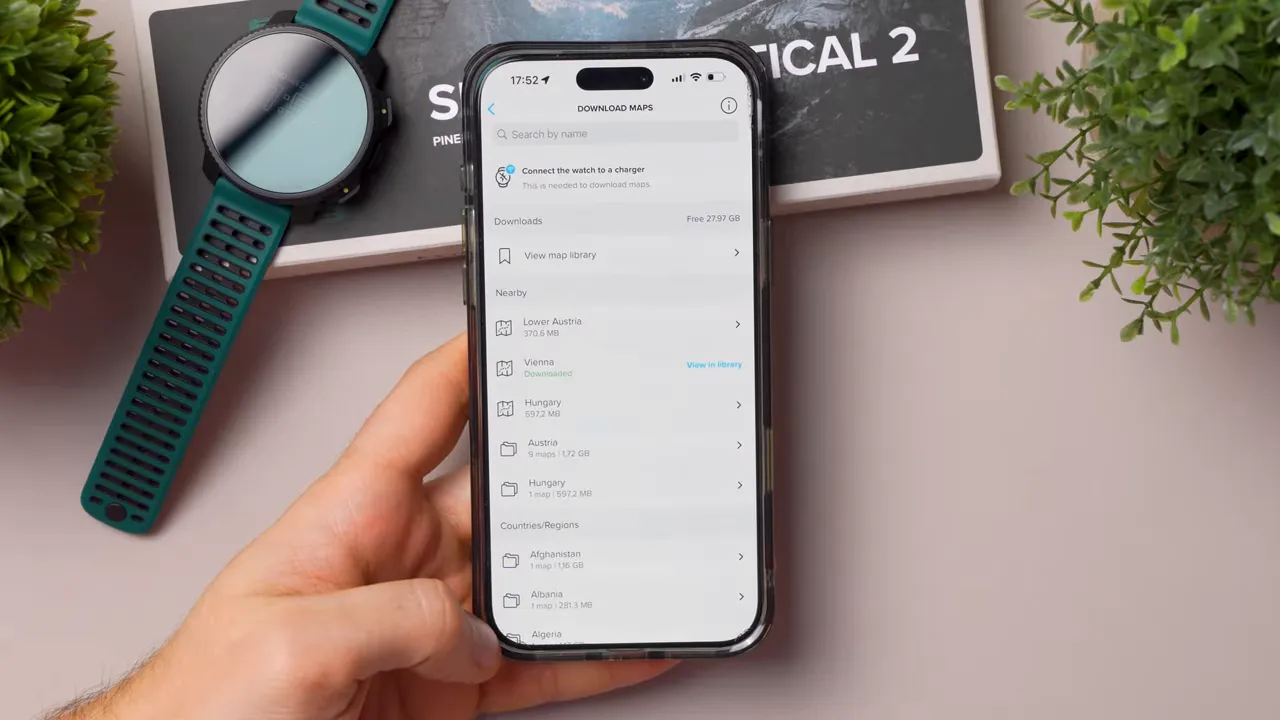
- Offline maps: Download maps to the 32 GB internal storage before a trip.
- Route guidance: Follow imported GPX routes or use popular-route suggestions to discover local trails.
- Return navigation: Follow a straight-line or breadcrumb route back to a saved point; compass aligns as you move.
- POI and storm alerts: Use points of interest and environmental alerts to plan safer outings.
Training metrics, workouts, and the Suunto app
Where the Suunto Vertical 2 stands out for athletes is the depth and clarity of training analytics without overwhelming the user. The watch supports over 100 sport modes and features like lap recording, interval support, ghost runs, and third-party integrations for platforms like Strava.
Two standout metrics in the ecosystem:
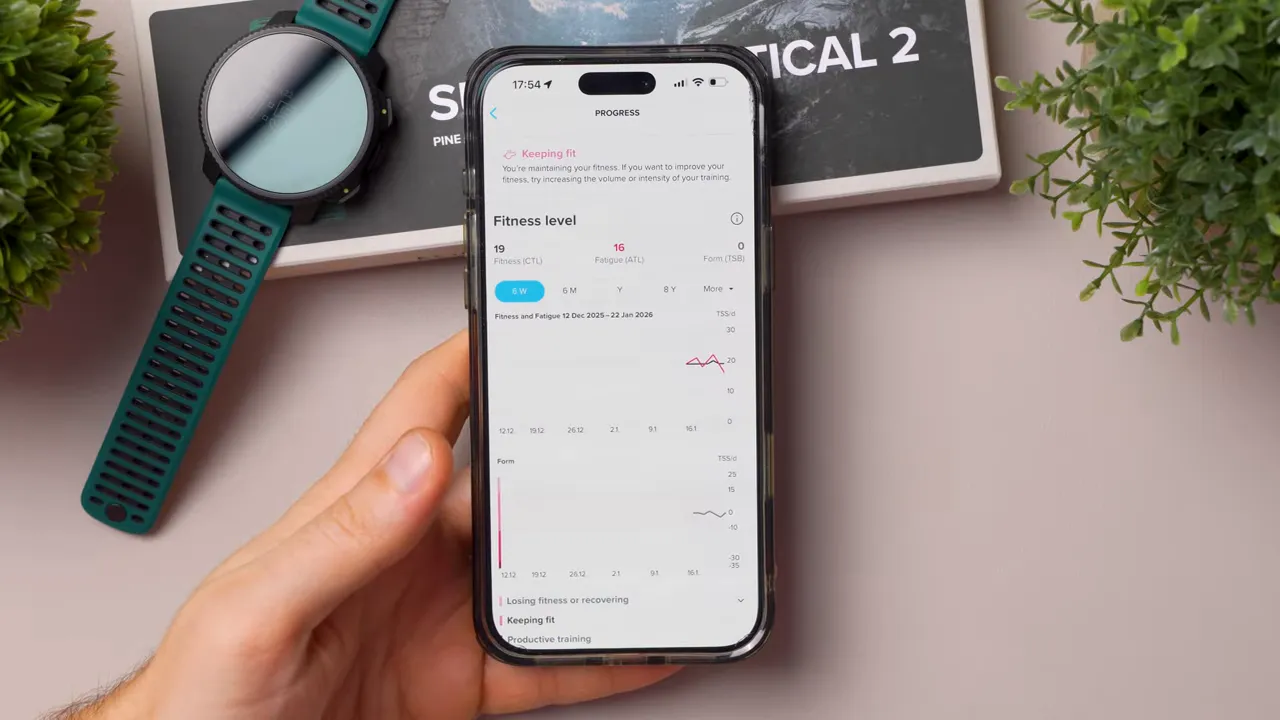
- Training Stress Score (TSS): Quantifies session load so you can compare intensity across workouts.
- Chronic Training Load (CTL): A rolling average of TSS that estimates your long-term fitness and helps determine if you are building fitness or maintaining it.
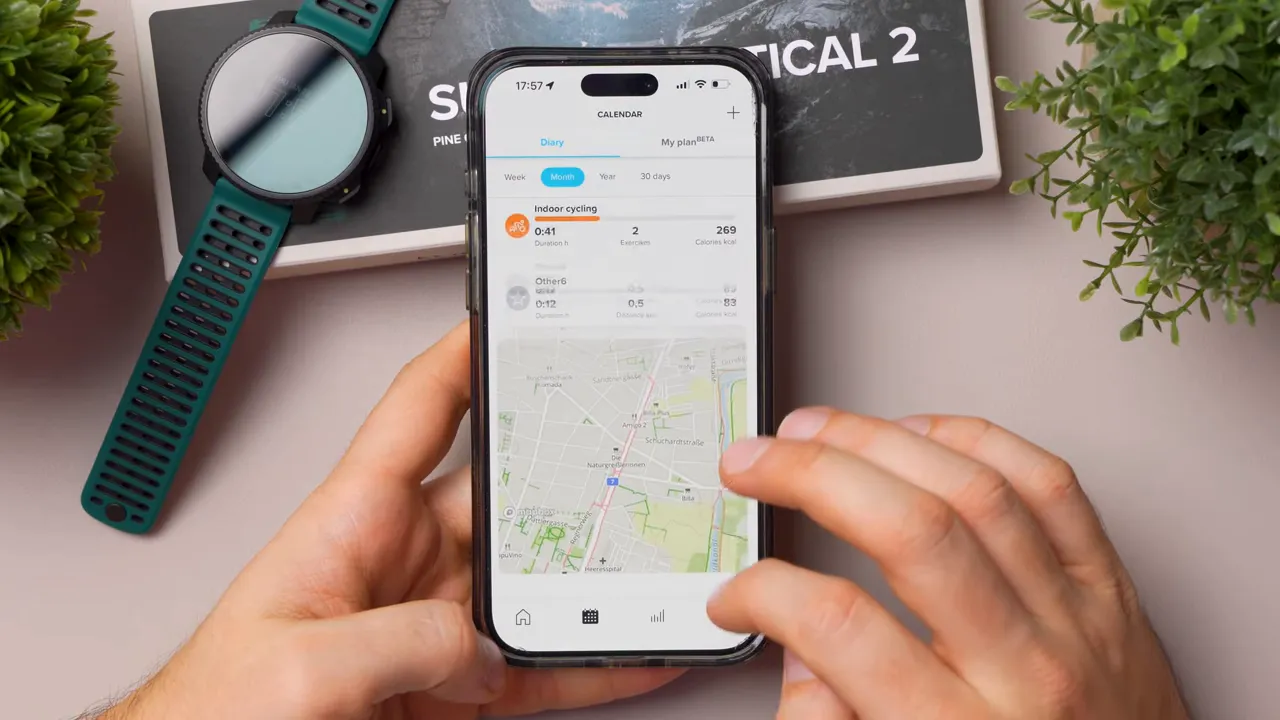
The companion app organizes workouts, displays maps and heatmaps, and provides a plan/coach feature that can create personalized training blocks such as a 10-week marathon plan.
Real-world accuracy: heart rate and GPS
In multiple outdoor and indoor sessions the watch produced reliable GPS tracks and consistent optical heart rate readings. While chest straps remain the gold standard for beat-by-beat precision, the Suunto Vertical 2 is competitive with other high-end wrist sensors and performs well across steady-state and interval efforts.
Practical expectations:
- GPS will be accurate for trail navigation and route mapping in most tree-covered and mountainous terrain, especially when using dual-frequency.
- Optical heart rate is accurate enough for most training zones and recovery metrics, but use a belt for maximal lactate-testing precision.
Maps and storage: how to plan multi-day trips
The 32 GB internal storage allows full-color maps and multiple regions to be stored locally. Country maps vary in size, so plan accordingly. For example, a small-to-medium country may consume roughly 1–3 GB of space; larger regions will use more.
Checklist for map planning:
- Download maps for your route and neighboring regions before you leave cell coverage.
- Keep at least 20% free storage to ensure map rendering and recorded tracks have space.
- Update maps when connected to Wi-Fi or the mobile app to avoid large mobile-data transfers in the field.
User interface and daily use
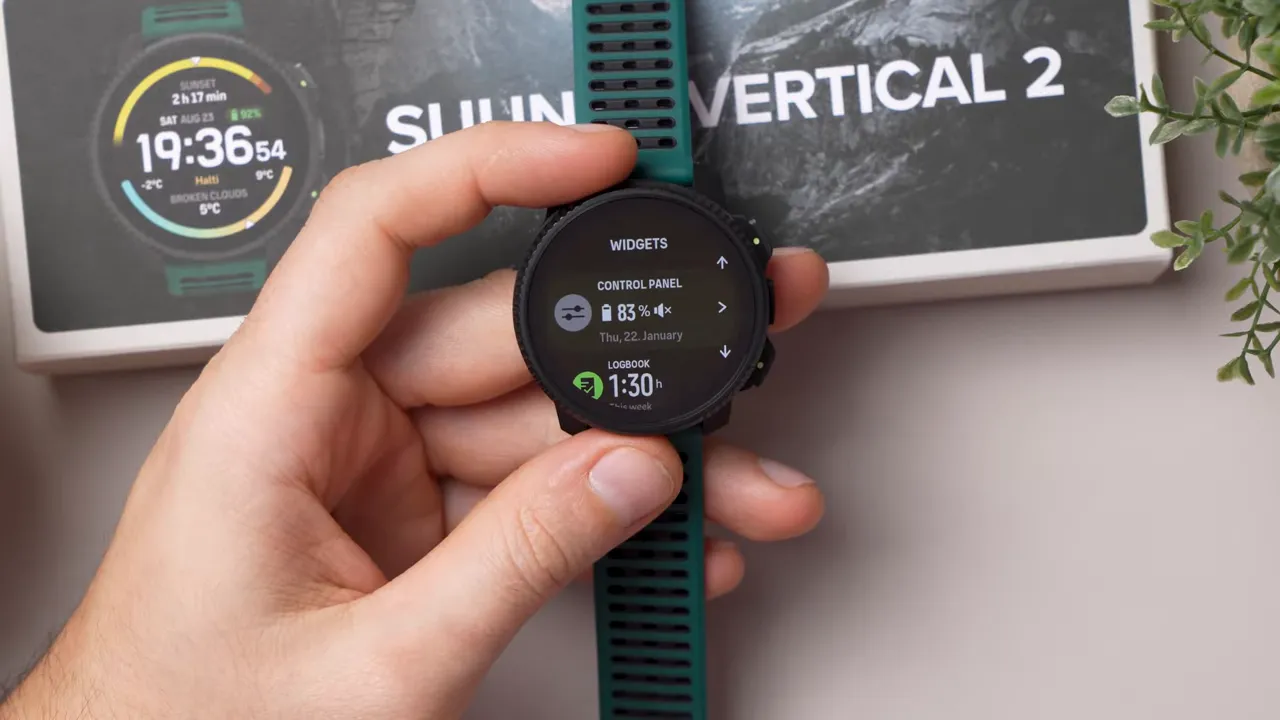
The interface combines touchscreen gestures and three physical buttons. Buttons provide dependable control when gloves or water are present. Widgets let you surface the metrics you care about on the face, and shortcuts can be mapped to flashlight, exercise, or other frequently used tools.
Tips for daily use:
- Customize two hardware button shortcuts for immediate access to flashlight and exercise modes.
- Place your highest-value widgets on the main swipe-down or swipe-up screens (steps, recovery, weather).
- Turn off unused widgets to keep the interface focused and battery usage lower.
Pros and cons
Pros
- Excellent battery life for a watch with an AMOLED display and dual-frequency GNSS.
- Robust outdoor navigation with offline color maps and return-to-start options.
- Durable build and bright built-in flashlight useful on night outings.
- Advanced training metrics such as TSS and CTL that are immediately actionable.
- Customizable UI and many sport modes for varied activities.
Cons
- Not a full smartwatch platform: limited music storage and fewer third-party apps compared with mainstream smartwatch OSes.
- Large case size: 49 mm may be big for smaller wrists.
- Some advanced coaching features: may not be as deep or as automated as dedicated coaching platforms.
Who should buy the Suunto Vertical 2?
Consider the Suunto Vertical 2 if any of these describe you:
- You need reliable navigation and offline maps for trail and backcountry use.
- You want long battery life while retaining a sharp AMOLED display.
- You value training analytics like TSS and CTL and want those metrics integrated with your watch and phone.
- You prefer physical buttons for interaction in wet, cold, or gloved conditions.
Avoid this watch if you want heavy smartwatch features such as local music playback, a large third-party app library, or a smaller, fashion-first design.
Common mistakes and pitfalls to avoid
- Not enabling HRV sleep tracking: HRV averages require several nights to stabilize; make sure the sleep and HRV options are turned on in settings.
- Relying on the highest brightness/AOD constantly: this greatly reduces battery life—manage brightness to extend usage on multi-day trips.
- Neglecting to download maps: Assume no signal and preload all necessary map tiles before leaving cell coverage.
- Expecting phone-style features: the Suunto Vertical 2 prioritizes outdoor performance over general smartwatch apps and music storage.
Practical setup checklist after purchase
- Update the watch firmware via the Suunto app to ensure latest features and bug fixes.
- Download offline maps for your primary outdoor regions.
- Enable sleep and HRV tracking in sleep settings.
- Customize watch face widgets and button shortcuts for flashlight and exercise.
- Pair with Bluetooth chest strap if you plan frequent high-precision heart rate sessions.
Summary and recommendation
The Suunto Vertical 2 is a compelling choice for outdoor athletes who want excellent battery life, strong navigation tools, and meaningful training metrics in a rugged package. I recommend it for trail runners, backcountry hikers, and endurance athletes who value mapping and training insight over smartwatch-centric features. If you need a watch that doubles as a mini smartphone, look elsewhere; if you want an adventure-first GPS tool, the Suunto Vertical 2 deserves serious consideration.
Frequently asked questions
How long does the Suunto Vertical 2 battery last on multi-day trails?
Battery life depends on settings. With medium brightness and standard GPS modes you can comfortably get several days of mixed use. In heavy GPS use with dual-frequency and always-on display the battery will be shorter but still longer than many AMOLED watches. For long multi-day trips, use power-saving GPS settings and limit brightness.
Can the Suunto Vertical 2 store offline maps for entire countries?
Yes. The watch has 32 GB of internal memory and supports offline color maps. Map file sizes vary by country and detail level, so plan storage accordingly. Download maps to the watch through the companion app while on Wi-Fi.
Is the optical heart rate accurate enough for training zones?
For most users, yes. Optical heart rate on the Suunto Vertical 2 tracks well during steady runs and indoor workouts. For maximal precision during threshold testing or power-based protocols, pair the watch with a chest strap.
Does the Suunto Vertical 2 support music playback from the watch?
The watch offers media controls for phone playback but does not support direct copying of music files to the watch as local playback. Use Bluetooth headphones paired to your phone or check third-party options for streaming control.
How do Training Stress Score and Chronic Training Load work on this watch?
Training Stress Score quantifies the load of individual workouts based on intensity and duration. Chronic Training Load is a rolling average of TSS that estimates your long-term fitness. Use these metrics to balance workouts, avoid overtraining, and plan progressive training blocks.
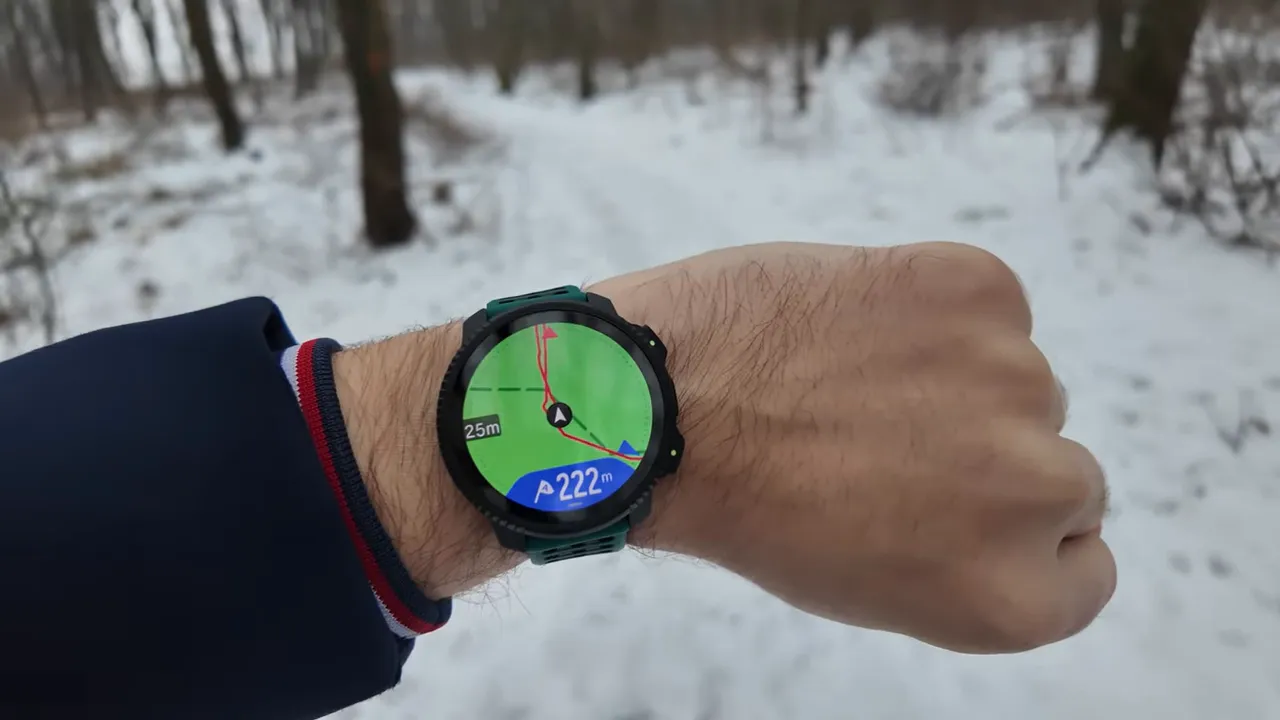
The Suunto Vertical 2 is a focused outdoor watch that balances a modern AMOLED display with the endurance features serious explorers need. If your priority is mapping, navigation reliability, and meaningful training data for long sessions, it is worth considering. If you have more detailed questions about setup, features, or compatibility, ask below and I will expand this guide.
Posted in Review
Comments Off on Suunto Vertical 2 Review: A Complete Guide to Specs, Performance, and Who Should Buy It
Best Daily Running Shoes 2026: The Daily Trainers Worth Your Miles
Expert-tested daily running shoes across budgets, with guidance on cushioning, fit, ride feel, durability, and value. Use this guide to find the best daily trainer for your mileage and running style. Continue reading
Posted in Review
Comments Off on Best Daily Running Shoes 2026: The Daily Trainers Worth Your Miles
Puma Deviate Elite 4 Review: Specs, Fit, Performance, Comparisons, and Buying Guide
The Puma Deviate Elite 4 is Puma’s latest high-end racing shoe aimed at fast workouts and race day performance. This review breaks down the technical specs, who it suits, real-world performance across distances, fit and sizing guidance, comparisons with similar … Continue reading
Posted in Review
Comments Off on Puma Deviate Elite 4 Review: Specs, Fit, Performance, Comparisons, and Buying Guide